
Emerging AI Gadgets 2026

Emerging AI Gadgets 2026: The Most Exciting New Tech You Need to Know About

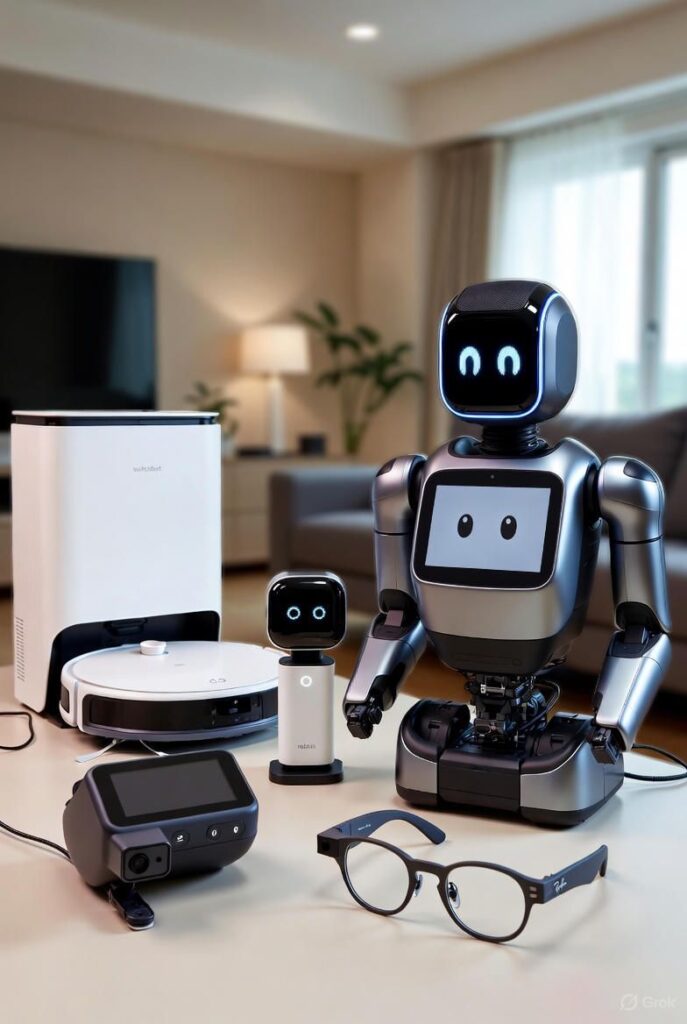
In 2026, AI is moving beyond apps and chatbots into wearable, physical, and home-integrated devices that feel truly ambient and helpful. From stair-climbing robot vacuums to always-on AI companions in glasses or pins, CES 2026 showcased a wave of innovative gadgets that blend intelligence with everyday utility. This informative guide from Gadgonic explores the top emerging AI gadgets 2026, highlighting what’s available now, what’s coming soon, and why they matter—no hype, just practical insights for tech enthusiasts and smart home lovers.

Whether you’re upgrading your setup or curious about the next big thing, these devices show how AI is becoming a seamless part of life.

What Defines Emerging AI Gadgets in 2026?

The big shift is toward on-device and physical AI—processing happens locally for speed and privacy, with less reliance on the cloud. Wearables act as “second brains” for notes, translations, and summaries; robots handle real-world tasks like chores; and AI integrates deeper into homes and accessories. Trends from CES 2026 include AI wearables for productivity, advanced robotics, and smarter companions that anticipate needs.
Emerging AI Gadgets 2026: AI Wearables & Companions

Wearables are exploding as AI’s new interface—compact, screenless or minimal, focused on voice, recording, and insights.

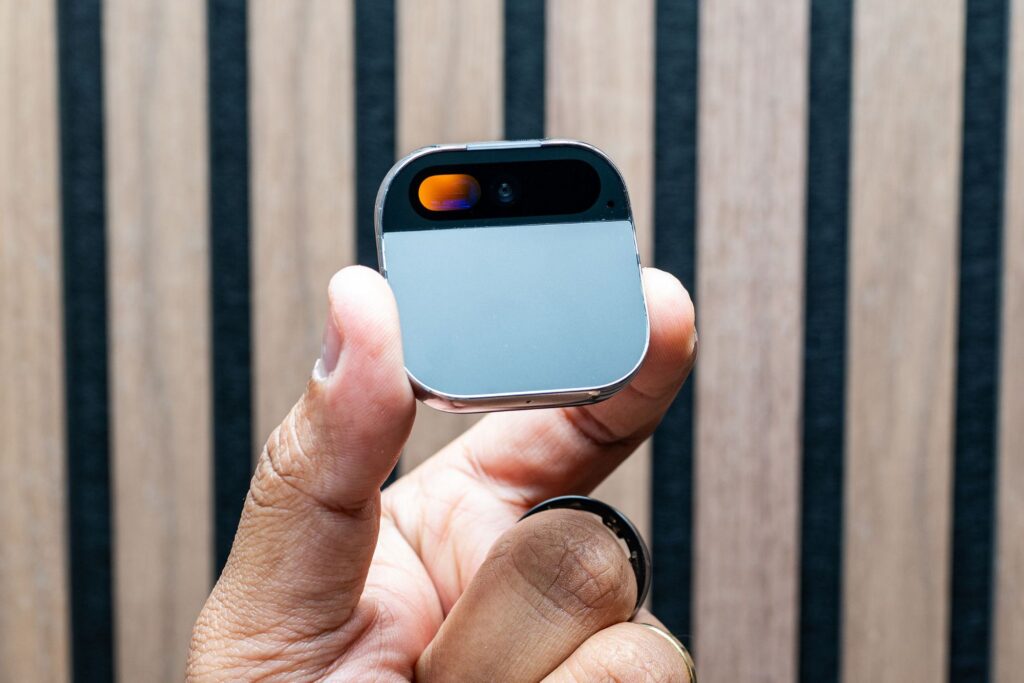
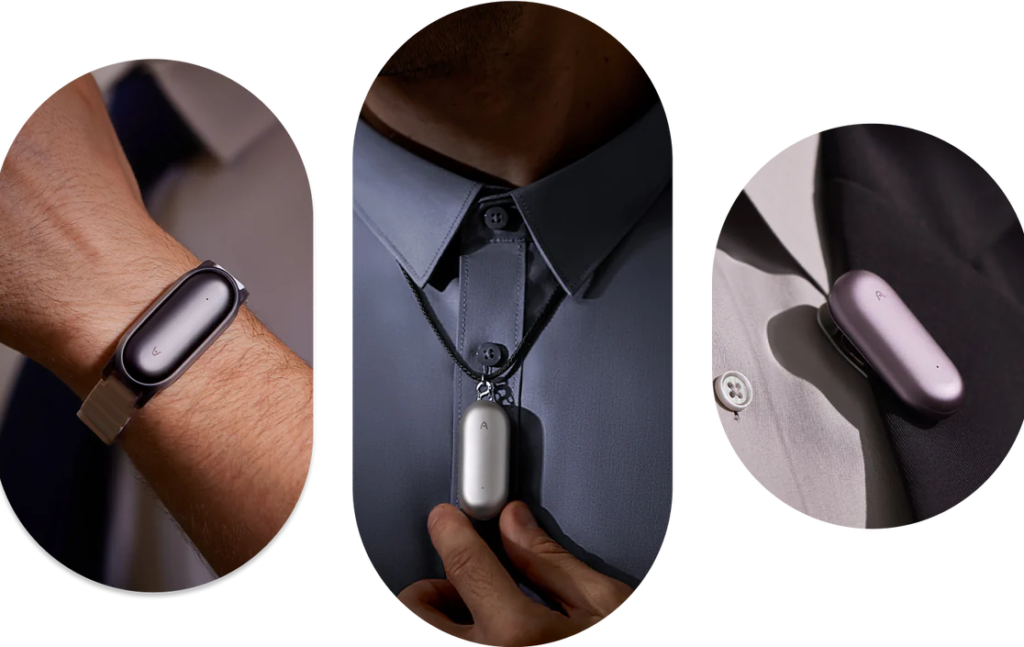
  • Plaud NotePin S / Similar AI Pins: Tiny clip-on devices record conversations, auto-transcribe, summarize meetings, and add calendar notes. Great for professionals—press once, get AI-powered recaps without pulling out your phone.
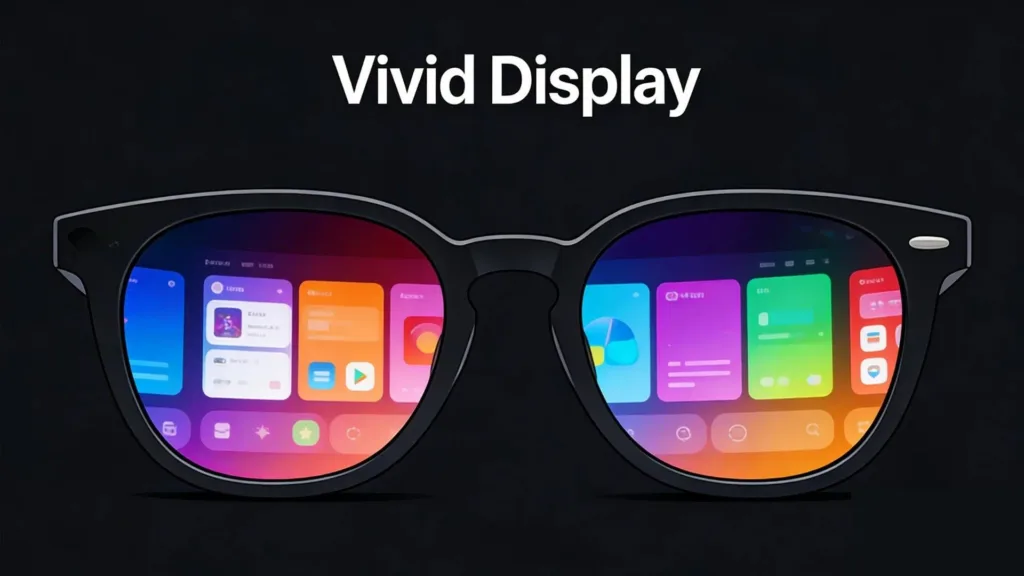
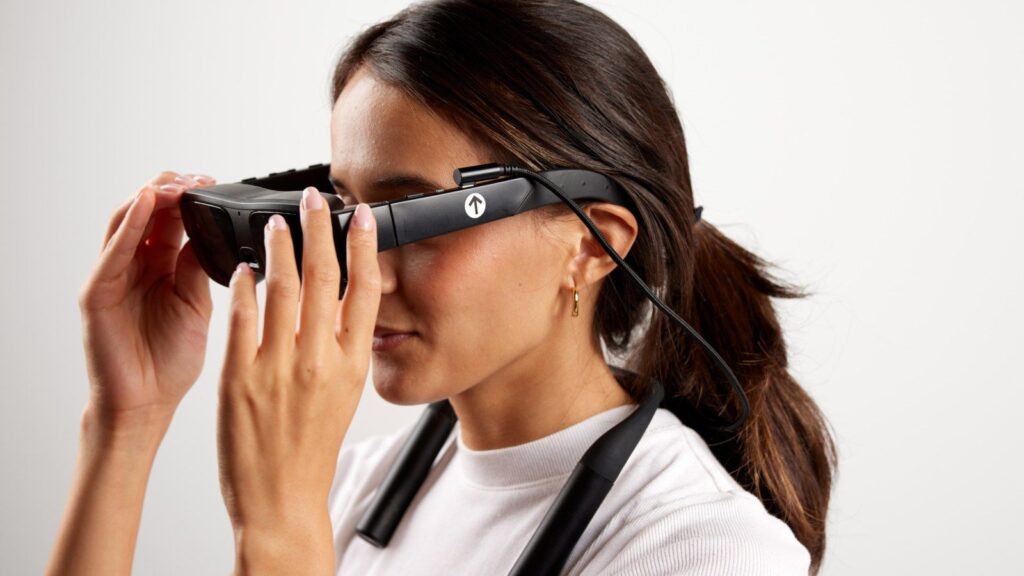
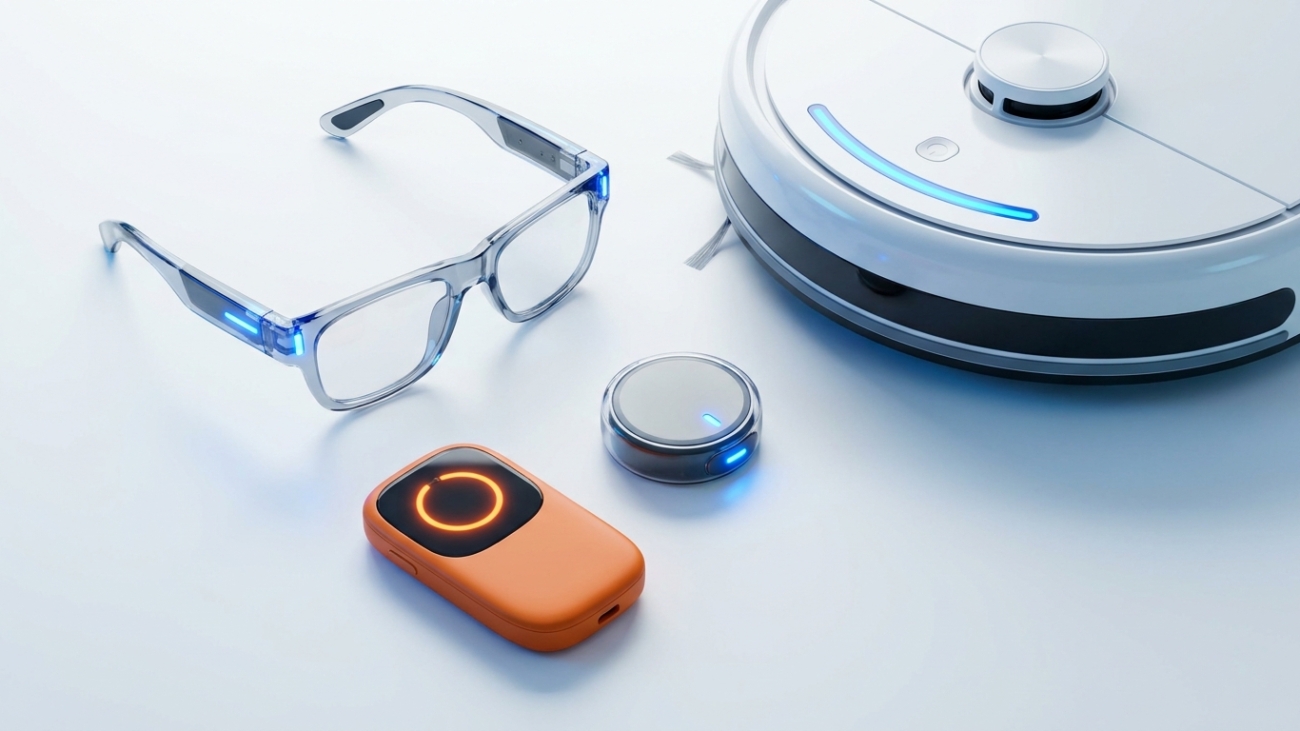
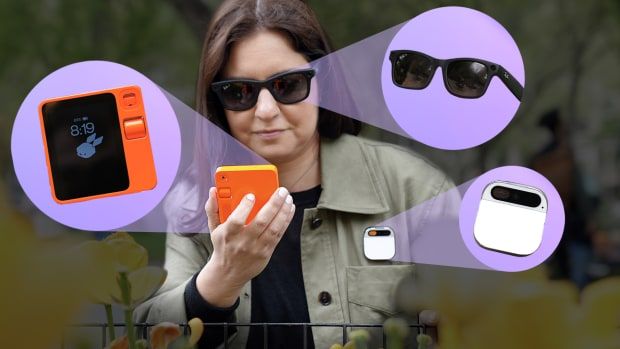
  • Smart Glasses (Meta Ray-Ban Display, XREAL, RayNeo, Lenovo Concepts): Hands-free AI with displays in your view for navigation, translations, quick info, music, and calls. 2026 models add better battery, AR overlays, and eSIM for independence.
  • AI Rings & Pendants (Pebble Index 01, Vocci, SwitchBot Mindclip): Voice recording, transcription, health insights, or ambient assistance—all with long battery life and no screen distraction.

These gadgets turn passive tracking into proactive help, like real-time summaries or context-aware reminders.

Emerging AI Gadgets 2026: Advanced Robot Vacuums & Home Helpers

Robotics gets practical with AI that navigates complex spaces.

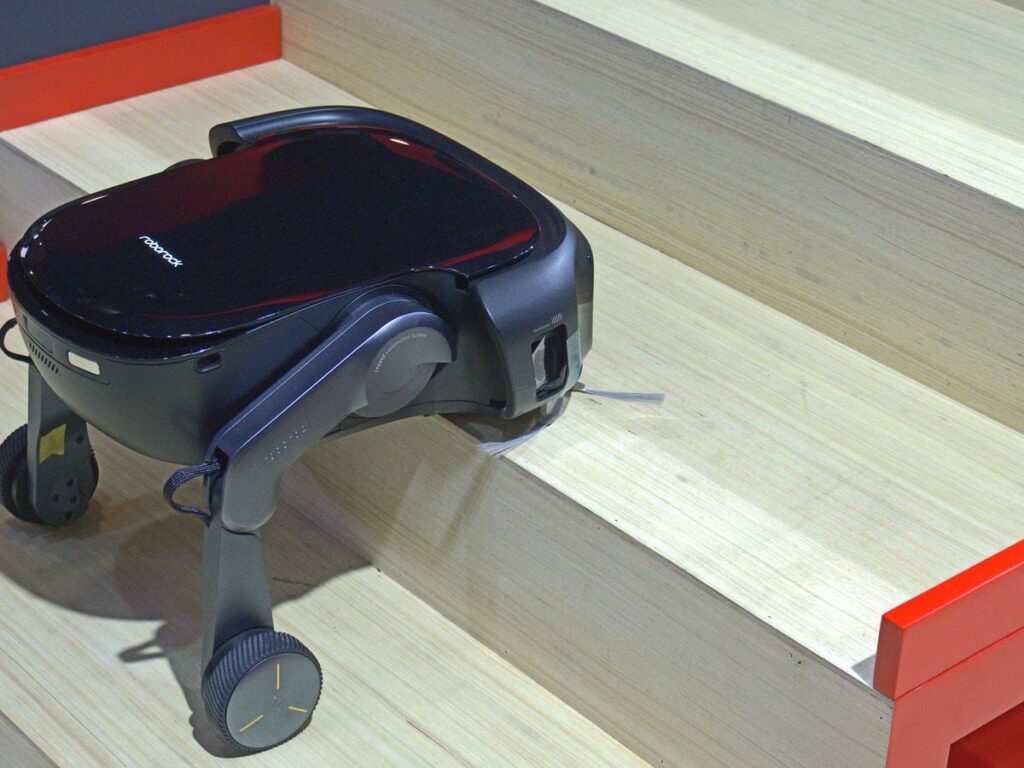
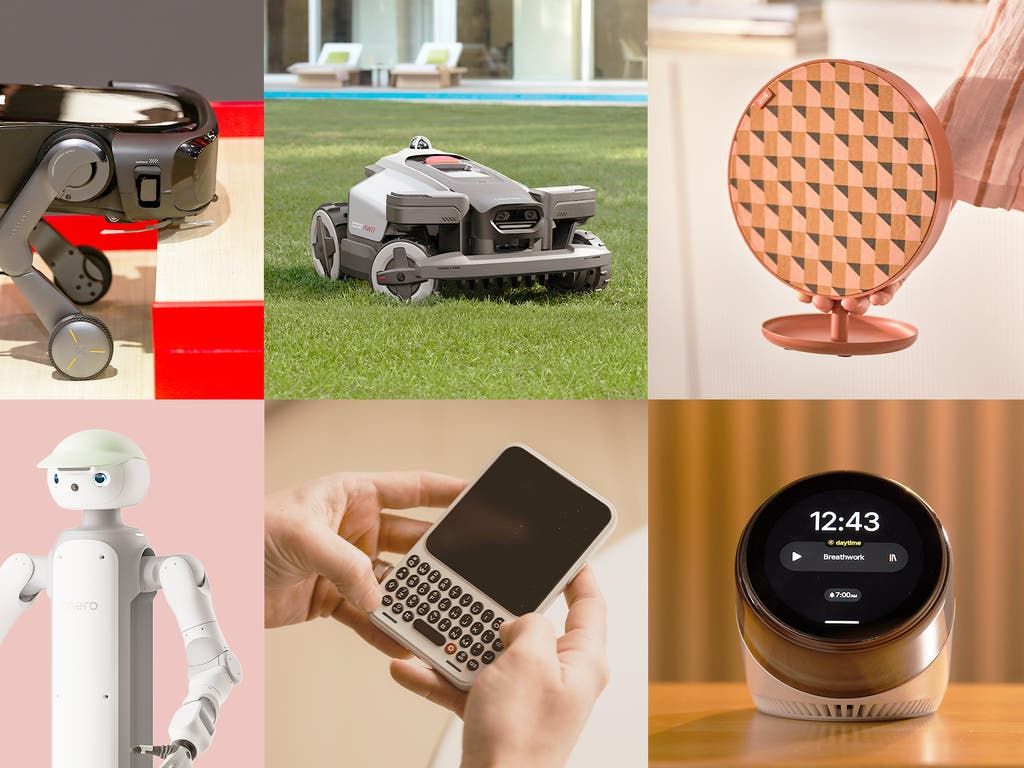
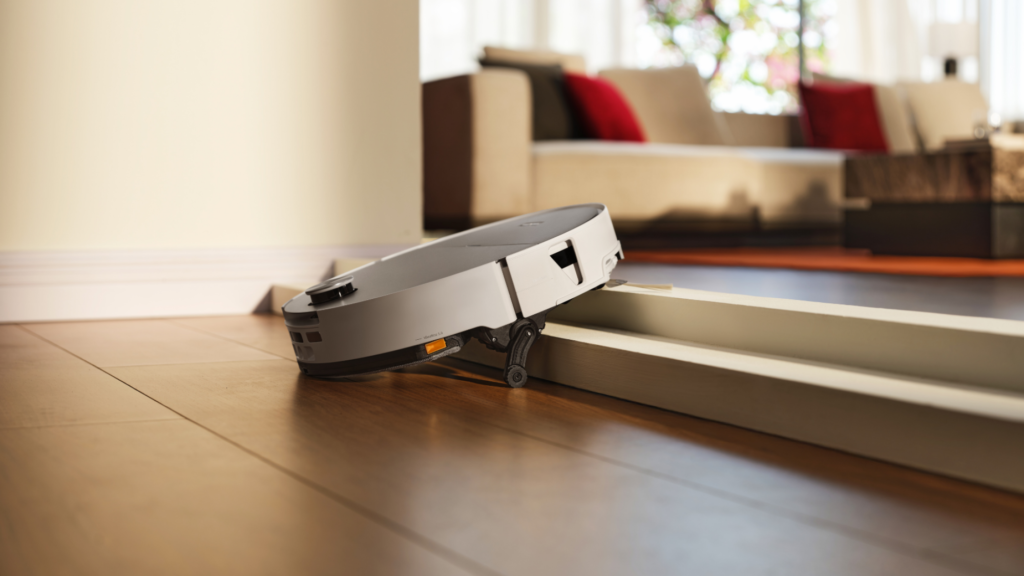
  • Roborock Saros Rover: A standout with wheel-leg design—climbs stairs, avoids obstacles intelligently, self-empties, and mops. Perfect for multi-level homes.
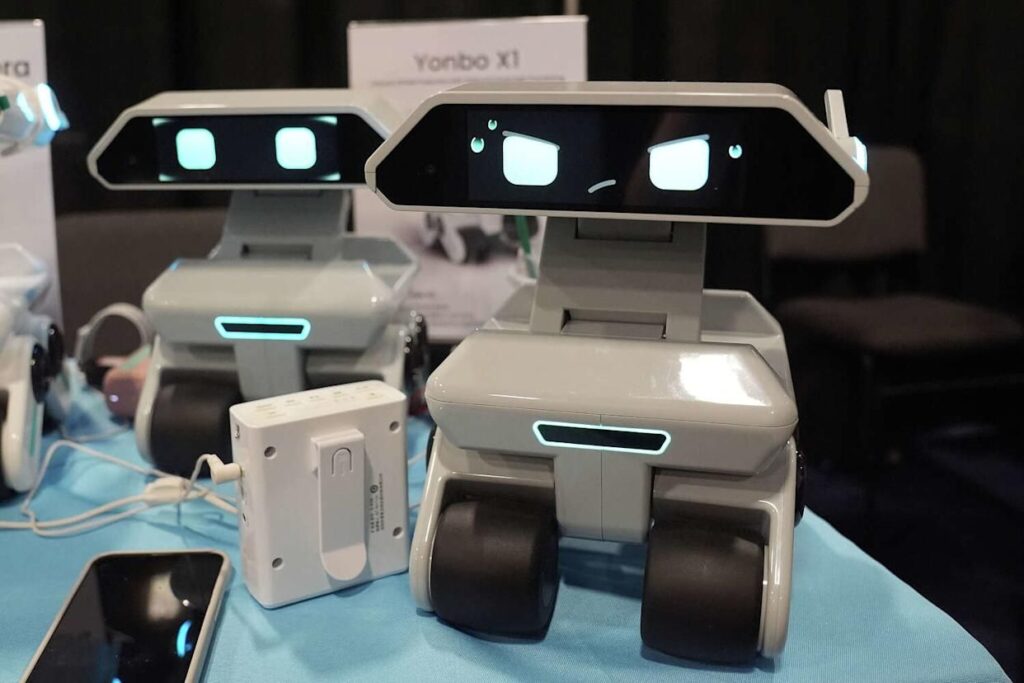
  • LG CLOiD & Similar Home Robots: Humanoid concepts for chores like fetching items or basic assistance, showing AI’s move into physical tasks.
  • Other Helpers (SwitchBot Onero, etc.): AI-driven for everyday automation, from pet monitoring to task handling.

These reduce manual work while adapting to your home layout.
Emerging AI Gadgets 2026: AI in Displays, TVs & More

Big screens get smarter with embedded AI.

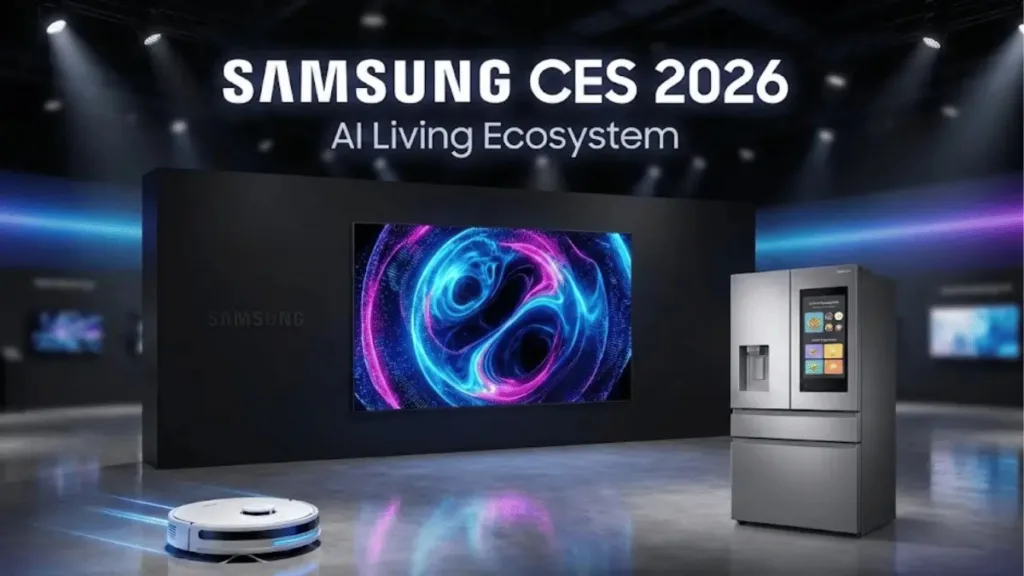
  • LG Wallpaper OLED W6 & Samsung Transparent Micro LED: Ultra-thin, wireless, AI-optimized for content, energy, and smart home control.
  • Vision AI Companions: TVs act as conversational hubs for queries, recommendations, and device integration.

AI enhances viewing with personalized suggestions and voice control.

Benefits of Emerging AI Gadgets 2026

  • Productivity boost — Wearables handle notes/translations on the go.
  • Convenience — Robots and helpers automate chores.
  • Privacy & efficiency — More on-device processing means faster, safer AI.
  • Personalization — Devices learn habits for tailored experiences.

These innovations save time and add real value to daily routines.

Concerns to Consider

Privacy remains key—opt for local processing devices. Battery life varies on wearables, and some concepts (like full humanoids) are early-stage. Start with proven picks and check compatibility.

What’s Next for Emerging AI Gadgets?

Expect more agentic AI (devices that act autonomously), foldables with AI, and cross-device companions. Regulations will push ethical, secure designs.


FAQs

Are emerging AI gadgets 2026 worth buying now?

Yes for practical ones like AI pins or robot vacuums—many are available or launching soon with solid reviews.

Do they require subscriptions?  

Many don’t—focus on local/on-device models to avoid ongoing fees.

How private are wearable AI devices?  

Choose ones with on-device processing and clear data policies for best protection.

What’s the most exciting trend?

AI wearables as “second brains” for always-available assistance without screens.

Conclusion

Emerging AI gadgets 2026 are making tech more intuitive and helpful—from wearables that capture your day to robots that clean stairs. These innovations from CES show AI evolving into everyday partners. Explore more cutting-edge tech and smart home ideas on Gadgonic—stay ahead with our guides!


AI privacy smart home 2026

AI Privacy Smart Home 2026: Secure Devices & Tips to Protect Your Data


As AI becomes central to smart homes in 2026, privacy remains a top priority for users who want intelligent features without compromising personal data. AI privacy smart home 2026 focuses on devices and setups that emphasize local processing, strong encryption, no mandatory cloud subscriptions, and minimal data sharing—keeping your footage, voice commands, and routines under your control.

In this informative guide from Gadgonic, we’ll explain the key privacy risks, highlight top secure picks across cameras, hubs, and voice assistants, and share practical tips to build a safer connected home. Whether you’re upgrading your setup or starting fresh, these choices help you enjoy AI benefits responsibly.

Understanding AI Privacy Risks in Smart Homes 2026

Many AI features rely on cloud processing—sending video, audio, or sensor data to remote servers for analysis. This can expose you to data breaches, unauthorized access, or company policy changes. In 2026, common concerns include always-listening mics, facial recognition stored off-device, and third-party app permissions. The good news? On-device AI and local hubs now handle most tasks without uploading anything, reducing these risks significantly.

Top AI Privacy Smart Home 2026 Picks: Cameras

Privacy-focused cameras lead with local storage and on-device AI detection.

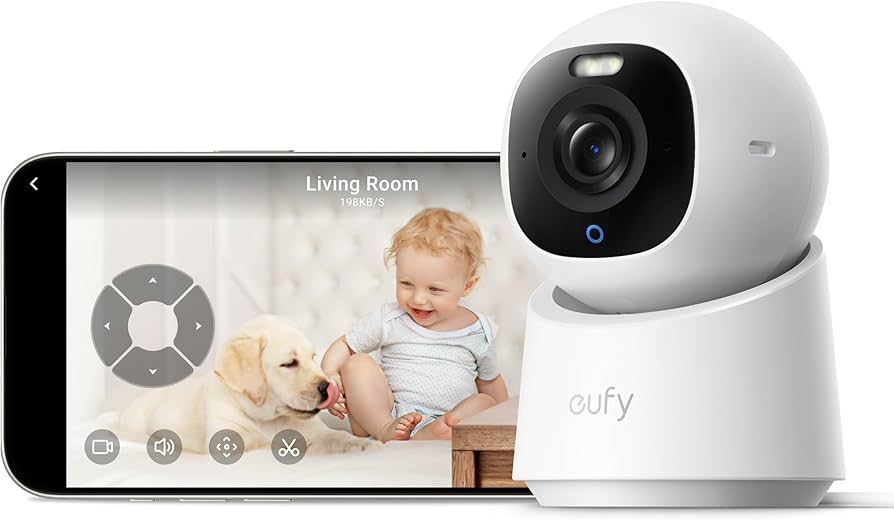
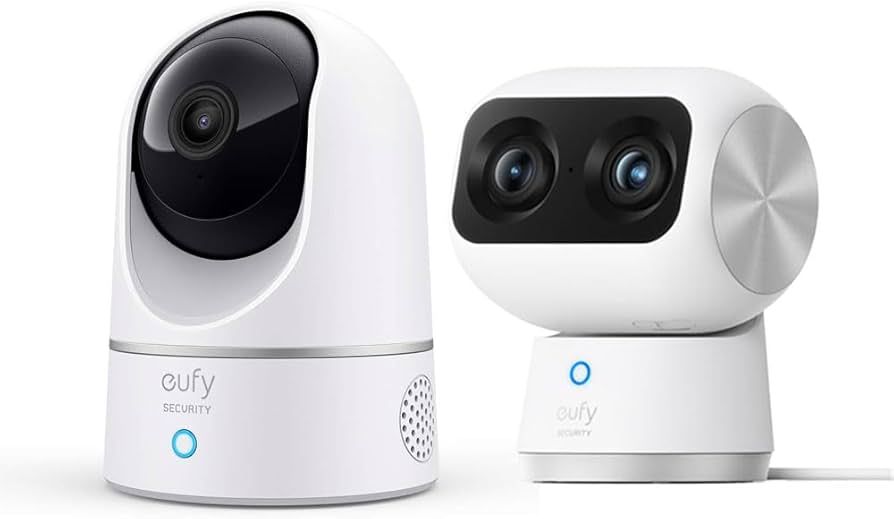
  • Eufy Indoor Cam series (like E220 or E30 models): Features 4K resolution, pan-tilt, pet/human tracking, and full local storage via microSD—no cloud required for core functions. AI processes motion and recognition right on the device.

These avoid subscriptions while delivering reliable alerts and night vision.

Top AI Privacy Smart Home 2026 Picks: Hubs & Local Processing

The heart of a private setup is a local hub running AI without cloud dependency.

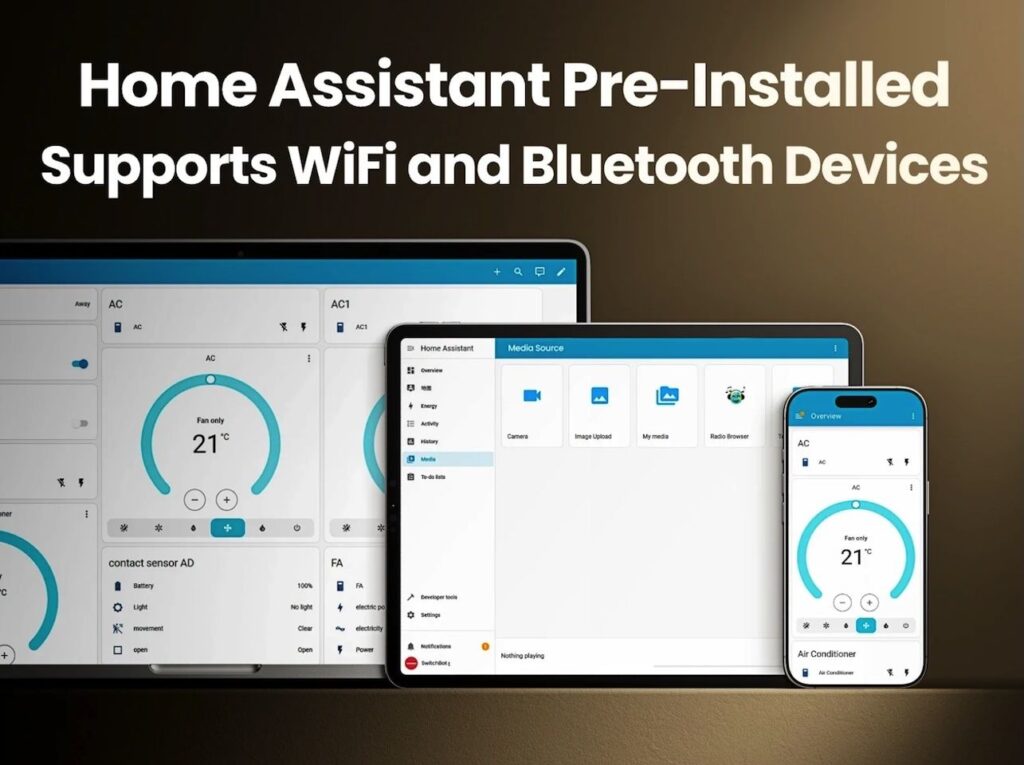
  • Home Assistant (open-source): Runs on a Raspberry Pi or mini PC for full local control. Add-ons like Frigate enable AI object detection (people, vehicles, pets) entirely on your hardware—no data leaves your network.
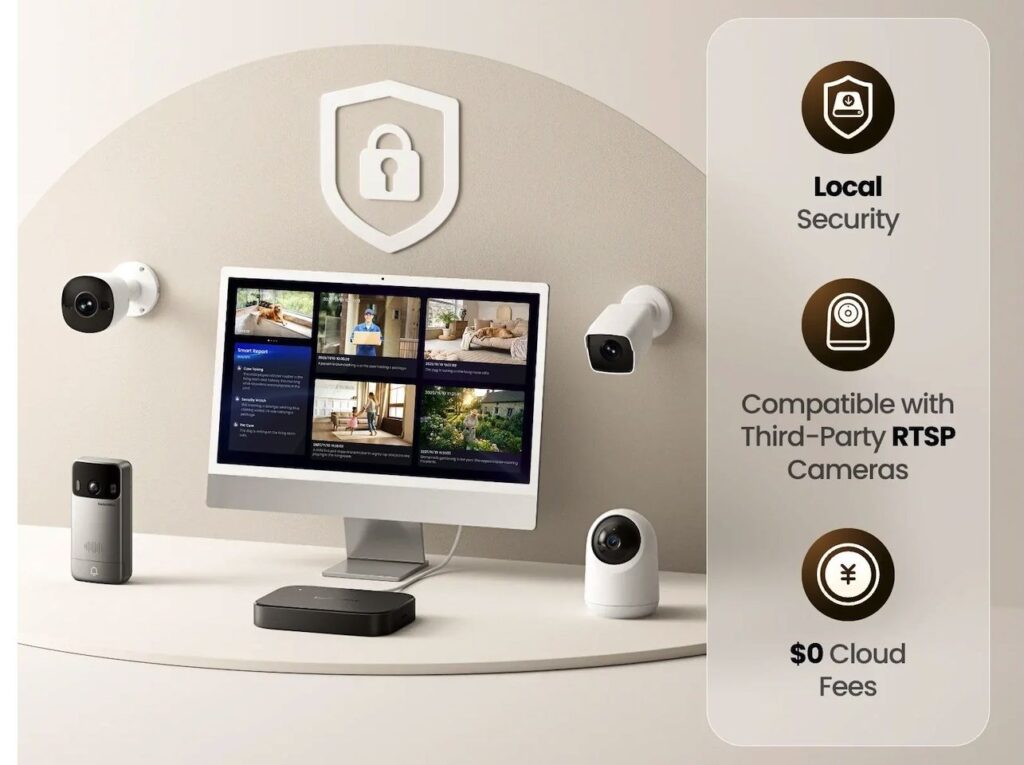
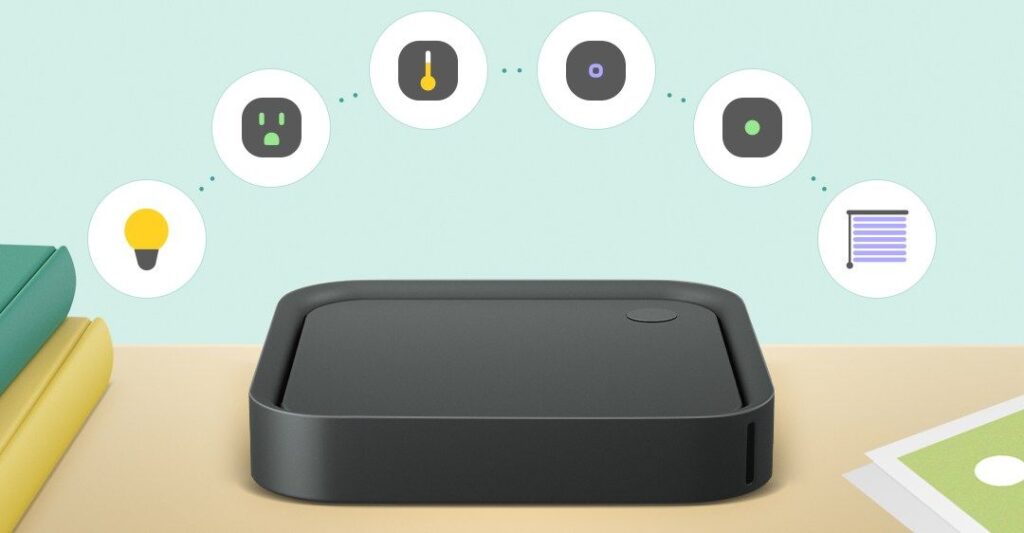
  • Aqara Hub M3 or SwitchBot AI Hub: Support local AI for automations, voice commands, and camera feeds with Matter/Thread for broad compatibility.

These hubs give you dashboard access and custom automations while prioritizing privacy.

Top AI Privacy Smart Home 2026 Picks: Voice Assistants

For voice control without constant listening risks:

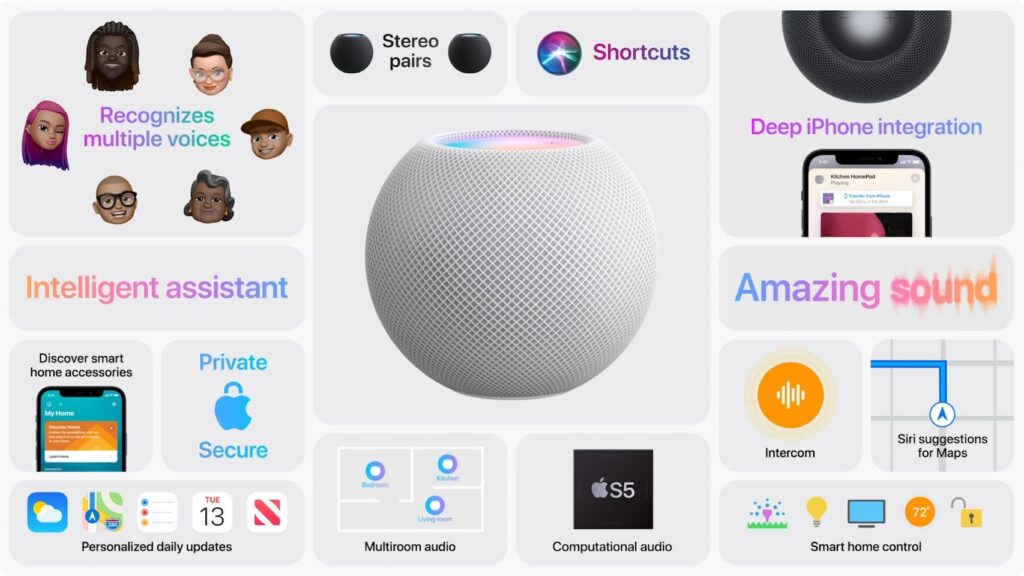
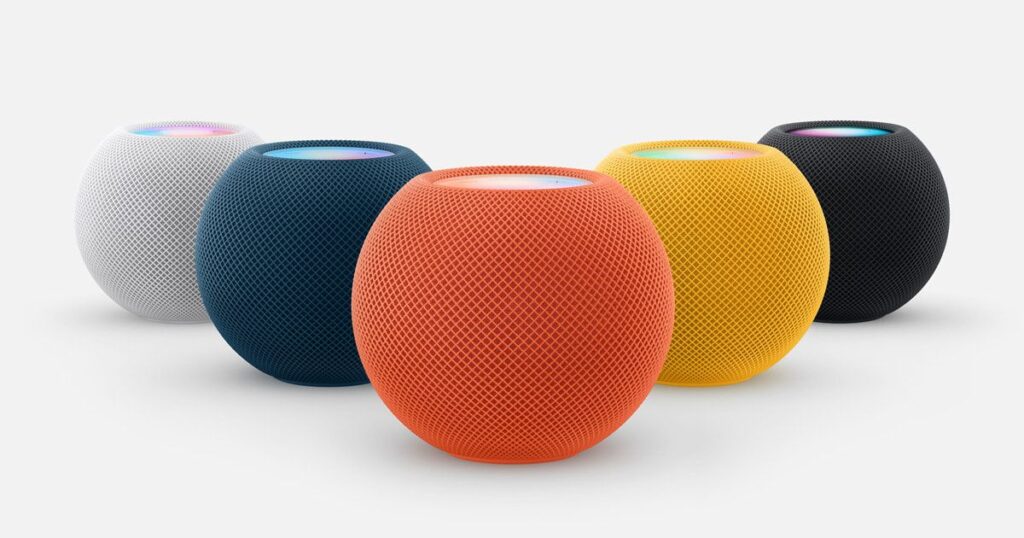
  • Apple HomePod mini: Processes Siri requests on-device where possible, uses end-to-end encryption, and integrates deeply with Apple HomeKit for secure automations. It avoids broad data collection compared to always-on alternatives.

Pair it with HomeKit Secure Video for encrypted camera storage in iCloud (with private relay options).

Practical Tips for AI Privacy Smart Home 2026

1. Choose local-first devices — Look for “on-device AI,” local storage, or open-source support.

2. Secure your network — Use a strong Wi-Fi password, enable WPA3, set up a guest network for IoT devices, and consider a VPN router.

3. Review permissions regularly — Disable unnecessary mics/cameras, use 2FA on apps, and audit connected devices.

4. Start small and test — Begin with one privacy-focused hub or camera to ensure compatibility before expanding.

5. Update firmware — Manufacturers release patches for security vulnerabilities—keep everything current.

These steps minimize exposure while keeping your smart home functional and AI-enhanced.

What the Future Holds for AI Privacy Smart Home 2026 and Beyond

Regulations are tightening around data collection, pushing more on-device processing and transparent AI. Expect widespread adoption of local AI models, better Matter encryption standards, and user-controlled privacy dashboards. Brands prioritizing privacy will gain trust as users demand more control.

FAQs

Do privacy-focused smart home devices lack features?  

No—many match or exceed cloud-based options in AI detection, automation, and quality, just without remote data sharing.

Is local AI slower than cloud AI?  

In 2026, on-device processing is fast enough for real-time tasks like motion alerts or voice recognition, especially with modern hardware.

Can I mix privacy devices with others?

Yes, use a local hub like Home Assistant as the brain to keep sensitive data local even if some devices use cloud.

How much does a privacy-first setup cost? 

Start under $200 with a good camera and hub; scale affordably compared to subscription-heavy systems.

Conclusion

Building an AI privacy smart home 2026 is easier than ever with devices that put security and control first. By choosing local processing options like Eufy cameras, Home Assistant hubs, and Apple HomePod, you get powerful AI without the privacy trade-offs. Stay informed and secure—follow Gadgonic for more guides on smart tech, AI innovations, and privacy tips!
Ai in everyday life

AI in Everyday Life 2026: How It’s Changing Your Daily Routine (Beginner’s Guide)

Artificial Intelligence (AI) is no longer just a sci-fi dream—it’s woven into the fabric of our daily routines in AI in everyday life 2026. From the moment you wake up to your smartphone suggesting the perfect playlist, to your smart home adjusting the lights as you enter a room, AI is quietly making life simpler, safer, and more personalized.

In this beginner-friendly guide, you’ll discover real-world examples of how AI is changing smartphones, homes, shopping, healthcare, work, and more. You’ll also learn about its benefits, potential risks, and what the future holds—no tech jargon required.

AI in Everyday Life

What Is Artificial Intelligence? (Simple Explanation)

At its core, AI is technology that lets machines learn from data and make decisions, much like how humans learn from experience. The key part powering most everyday AI is machine learning—where systems improve automatically through patterns in data without being explicitly programmed for every task.

Think of it as automation on steroids: instead of rigid rules, AI adapts and predicts. In 2026, AI matters because it’s faster, more accurate, and handles massive amounts of information instantly—freeing us from repetitive tasks and helping with smarter choices.

AI in Everyday Life 2026: AI in Smartphones and Personal Assistants

Your smartphone is probably the most AI-packed device you own in 2026.

  • Voice assistants like advanced versions of Siri, Google Assistant, or new AI companions understand natural conversation, set reminders, control devices, and even hold casual chats.
  • Smart photo editing automatically enhances images, removes backgrounds, or suggests perfect filters based on the scene.
  • Predictive typing and autocorrect have become eerily accurate, guessing entire sentences from context.
  • AI battery optimization learns your habits to extend battery life by shutting down unused apps or dimming the screen intelligently.

These features save time and reduce frustration, turning your phone into a true personal helper.

AI in Smart Homes

Smart homes in 2026 feel alive thanks to AI.

  • Smart thermostats predict your routine and adjust temperatures for comfort and energy savings.
  • AI security cameras distinguish between family members, pets, and strangers, sending alerts only for real threats.
  • Voice-controlled automation lets you say “good night” to dim lights, lock doors, and set alarms.
  • Energy optimization analyzes usage patterns to cut bills without sacrificing convenience.

If you’re planning a smart home, check our complete smart home setup guide for step-by-step tips.

AI in Online Shopping & Social Media

Ever wonder why you see ads for exactly what you were thinking about? That’s AI at work.

  • Personalized recommendations on platforms like Amazon or Netflix use your past behavior to suggest products or shows you’ll love.
  • Targeted ads analyze browsing history and interests for relevant promotions.
  • Fraud detection spots unusual activity to protect your accounts.
  • Content algorithms curate feeds to show engaging posts, keeping you scrolling.

This creates a tailored experience but can sometimes feel too spot-on—it’s all powered by AI learning your preferences.

AI in Everyday Life 2026: AI in Healthcare

One of the most impactful areas in 2026 is healthcare, where AI saves lives and improves wellness.

  • Early disease detection through wearables that monitor heart rate, sleep, and activity to flag issues early.
  • Wearable health monitoring like smartwatches providing real-time insights and predictive alerts.
  • Virtual doctors and chat-based health coaches offer advice on symptoms or lifestyle.
  • AI in medical imaging helps doctors spot anomalies in scans faster and more accurately.

These tools empower preventive care, making health management more accessible and proactive.

AI in Work & Productivity

AI boosts efficiency for everyone, especially in digital fields like marketing.

  • AI writing assistants draft emails, posts, or reports in seconds.
  • Coding copilots suggest code and fix bugs for developers.
  • Automation tools handle repetitive tasks like scheduling or data entry.
  • AI chatbots manage customer support 24/7 for businesses.

These tools let you focus on creative, high-value work while AI handles the routine.

Benefits of AI in Daily Life

AI brings clear advantages:

  • Saves time by automating tasks.
  • Improves accuracy in predictions and decisions.
  • Reduces human error in areas like health monitoring or security.
  • Enhances convenience with personalized experiences.
  • Enables better decision-making through data insights.

Overall, it makes everyday life smoother and more efficient.

Concerns & Risks of AI

It’s not all perfect—balance matters.

  • Privacy risks from data collection in apps and devices.
  • Job displacement as automation takes over some roles.
  • Data misuse if information falls into wrong hands.
  • Overdependence could reduce critical thinking skills.

Responsible use and regulations help address these issues.

What the Future of AI Looks Like

Looking ahead, AI will bring even more personalization—smarter homes that anticipate needs, AI in transportation for safer driving, and improved regulations for ethical use. Expect AI agents as true teammates in work and life, with seamless integration across devices.

FAQs

Is AI dangerous for humans?  

Not inherently—it’s a tool. Risks come from misuse, but proper safeguards make it safe and beneficial.

Can AI replace human jobs completely?  

AI automates tasks, but humans excel in creativity, empathy, and complex judgment. Many jobs will evolve rather than disappear.

Is AI safe for smart homes?

Yes, with strong security like encryption and updates. Choose reputable brands and use privacy settings.

How does AI learn?  

Through vast data examples—it spots patterns and improves over time, like learning from millions of photos to recognize faces.

Conclusion

In 2026, AI is already deeply integrated into everyday life—from your pocket to your home and health. Understanding these real examples helps you embrace it confidently, use it smartly, and avoid pitfalls. It’s about enhancement, not replacement—making life better when used wisely.

Stay updated with Gadgonic for more insights on AI, smart tech, and the latest innovations!

Ai Tools

AI Tools Every Tech Professional Should Know in 2026

In 2026, AI tools for developers have become indispensable. What once felt experimental is now deeply embedded in everyday workflows across startups, enterprises, and open-source communities alike. Teams are building faster release cycles around AI assistance, and individual developers are leveraging intelligent agents as trusted collaborators throughout the software lifecycle. They accelerate coding, enhance debugging, streamline research, and automate workflows — allowing tech professionals to focus on innovation rather than repetition. Whether you’re a software engineer, data scientist, or DevOps specialist, mastering the right AI coding tools can significantly boost your efficiency.

This guide covers the must-know AI tools for developers 2026, based on real-world adoption and performance.

1. Claude (Anthropic) – The Coding & Reasoning Powerhouse  

Claude leads in complex reasoning, large codebase handling, and secure code generation. Developers rely on it for architecture planning, deep debugging, and structured explanations.

Strengths: Massive context windows, high accuracy, strong ethical controls.  

Best for: Backend engineers, system architects, code reviews.

Ai tools

2. ChatGPT (OpenAI) – The Versatile All-Rounder  

ChatGPT excels at rapid prototyping, documentation, brainstorming, and multimodal tasks (voice, images). It’s a go-to for quick scripting and learning new stacks.

Strengths: Speed, broad knowledge, easy integration.  

Best for: Full-stack developers, scripting, idea validation.

Ai tools

3. GitHub Copilot – Your AI Pair Programmer

Copilot provides inline suggestions, test generation, and agentic multi-file edits directly in your IDE. It’s deeply integrated with GitHub for seamless workflows.

Strengths: Instant completions, GitHub-native, high adoption.  

Best for: Daily coding, PRs, boilerplate reduction.

Ai toola

4. Cursor – The AI-First Code Editor  

Cursor reimagines VS Code with repo-wide understanding, agentic editing, and multi-model support. It’s ideal for large refactors and complex projects.

Strengths: Full-context awareness, composer mode, speed on big changes.  

Best for: Building scalable apps, full-time coding.

Ai tools

5. Perplexity AI – The Intelligent Search Engine  

Perplexity delivers cited, real-time answers — perfect for API research, troubleshooting, and trend tracking without endless tabs.

Strengths: Accurate sourcing, fast deep dives.  

Best for: Research, framework learning, debugging.

Ai toola

Honorable Mentions for 2026 

  • Gemini (Google) — Multimodal excellence with Google integration.  
  • NotebookLM — Converts notes/docs into summaries/podcasts.  
  • Zapier Agents — Workflow automation across apps.

How to Get Started with AI Tools for Developers 2026  

Pick 1–2 tools matching your needs (e.g., Cursor for editing, Perplexity for research). Use free tiers first, then upgrade. Stack them: Claude for planning, Cursor for coding, Perplexity for validation.

Conclusion

The best AI tools for developers 2026 turn AI into a true collaborator. Adopting them keeps you competitive, ships code faster, and unlocks higher-impact work.

Which AI tool for developers has changed your 2026 workflow most? Share below!

FAQs: Common Questions About AI Tools for Developers 2026

What is the best AI coding assistant in 2026?  

Cursor and Claude often rank highest for complex work, while GitHub Copilot leads in everyday IDE integration.

Is Cursor better than GitHub Copilot in 2026?  

Cursor excels at repo-wide edits and agentic tasks; Copilot wins for quick inline suggestions and GitHub synergy.

Claude vs ChatGPT for coding – which is better in 2026?  

Claude dominates in reasoning and large codebases; ChatGPT is faster for prototypes and general tasks.

What are the best AI tools for developers in 2026?

Cursor, GitHub Copilot, Claude, ChatGPT, and Perplexity form the core stack for coding, research, and productivity.

Which AI tools should every tech professional know in 2026?

Master LLMs (Claude/ChatGPT), IDE agents (Cursor/Copilot), and search tools (Perplexity) for maximum efficiency.

AA160289-A46F-4169-B757-3EDE8D190D46

Best AI Gadgets 2026: Top AI-Powered Innovation Reviewed

2026 is the year AI gadgets move from hype to everyday essentials. With advancements in on-device processing and multimodal AI, the best AI gadgets 2026 blend seamlessly into daily life – handling tasks, translating languages, capturing moments, and even companionship.

This guide reviews the top AI-powered devices based on CES 2026 highlights, expert tests, and real-user feedback. From wearables to home robots, discover the best AI gadgets 2026 worth your investment.

Quick Comparison: Top AI Gadgets 2026

Ray-Ban Meta Smart Glasses Best For: Best Overall Wearable  

 Price (Approx.): $299  

 Key Features: AI camera, live translation, open-ear audio

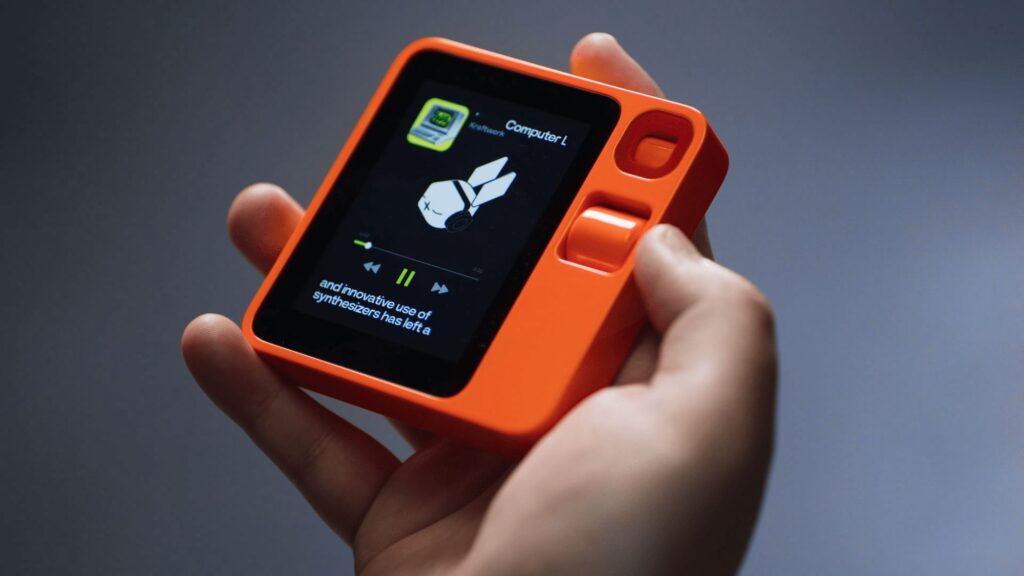
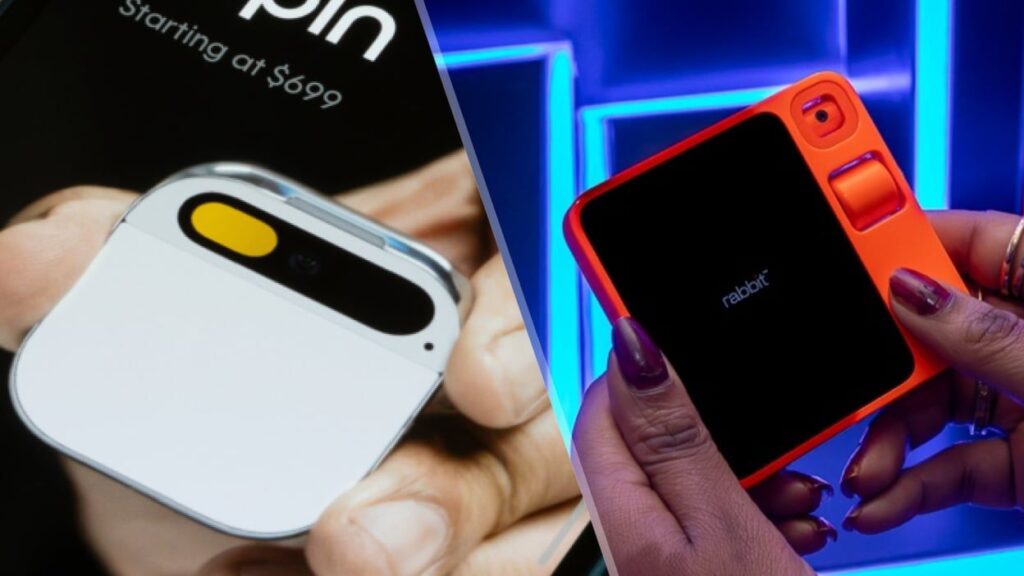
Rabbit R1 Best For:  Best Pocket AI Companion  

 Price (Approx.): $199  

 Key Features: Large Action Model, app control via voice

Humane AI Pin Best For: Best Screenless AI Device  

 Price (Approx.): $699 (+ subscription)  

 Key Features: Laser projector, voice/gesture control

Roborock Saros Series Best For: Best AI Robot Vacuum  

 Price (Approx.): $800+  

 Key Features: Obstacle grip arm, advanced mapping

Plaud NotePin Best For: Best AI Note-Taker  

 Price (Approx.): $169  

 Key Features: Wearable transcription, summarization

Top Reviews

1. Ray-Ban Meta Smart Glasses – Best Everyday AI Wearable

Meta’s collaboration with Ray-Ban dominates 2026 with hands-free AI.

Pros:

– Stylish design (no “tech” look)

– Real-time AI translation & object recognition

– Excellent audio for calls/music

Cons:

– Battery ~4 hours heavy use

– Privacy concerns with camera

Perfect for travelers and social users. 

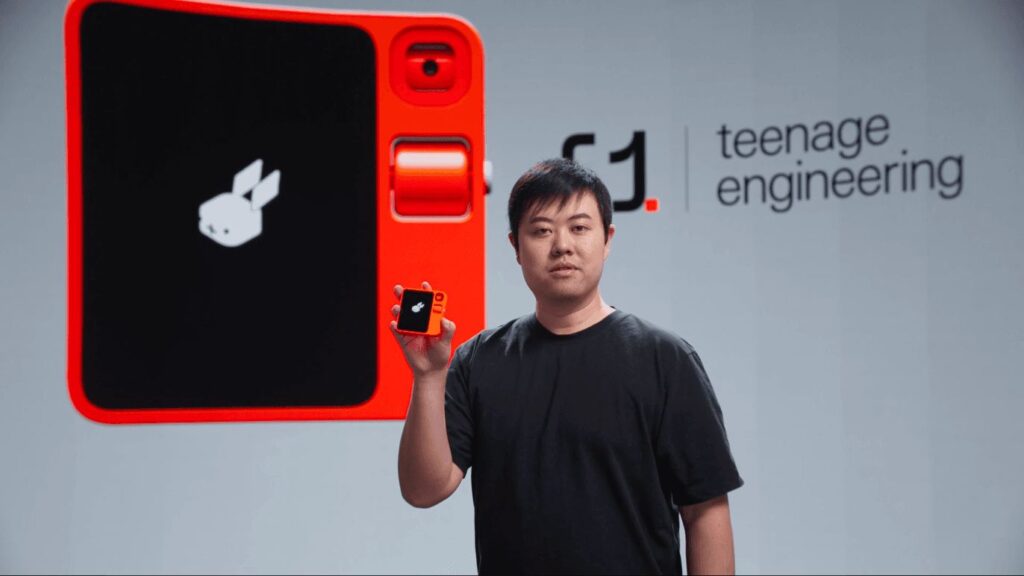
2. Rabbit R1 – Most Innovative Pocket AI

This orange handheld uses a “Large Action Model” to perform tasks across apps.

Pros:

– Handles bookings, music, rides via voice

– Cute, portable design

– No phone needed for many tasks

Cons:

– Still maturing software

– Limited app ecosystem

Great for simplifying digital life.

3. Humane AI Pin – Bold Screenless Vision

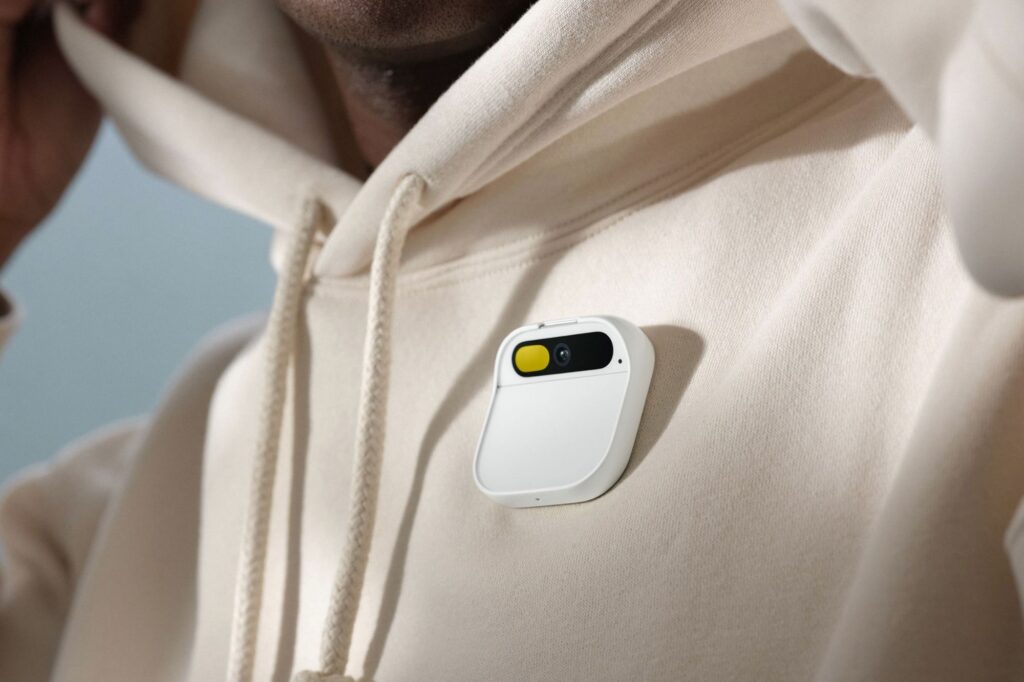
Clip-on device with projector and AI assistant.

Pros:

– Truly hands-free

– Powerful Cosmos AI queries

– Magnetic attachment

Cons:

– Subscription required

– Mixed reviews on usability

Futuristic but evolving.

4. Roborock Saros 10/10R – Smartest Home Robot

AI vacuum with gripper arm for obstacle removal.

Pros:

– Self-emptying + mopping

– Advanced AI avoidance

– OmniGrip for small items

Cons:

– Premium price

Essential for smart homes.

5. Plaud NotePin – Ultimate AI Recorder

Wearable pin for meetings/notes with transcription.

Pros:

– Accurate AI summaries

– Versatile wear (pin/watch/necklace)

– Long battery

Cons:

– Subscription for advanced features

Productivity game-changer.

Other Notable AI Gadgets 2026

– Samsung Ballie → Home companion robot

– Limitless Pendant → Affordable AI recorder

– Halliday AI Glasses → Privacy-focused AR

Buying Guide: Choosing the Best AI Gadgets 2026

Privacy: Look for on-device processing.

Battery & Usability: Prioritize all-day wear.

Ecosystem: Match your phone/OS.

Value: Avoid subscription-heavy unless essential.

FAQ

What are the best AI gadgets 2026?  

Ray-Ban Meta Glasses for versatility.

Are AI gadgets worth it in 2026? 

Yes – practical ones like glasses/vacuums save time.

Privacy concerns with AI wearables?  

Opt for brands with local AI processing.

Upgrade your life with these best AI gadgets 2025 – the future is here!

Gadgonic

Kindel PaperWhite

top tech trends 2026

Top Tech Trends to Watch in 2026: From AI Gadgets to Smart Home Innovations


CES 2026 in Las Vegas has set the tone for the year ahead, showcasing groundbreaking advancements that blend artificial intelligence with everyday devices. From brighter, smarter TVs to humanoid robots entering homes and advanced health wearables, top tech trends 2026 focus on making technology more intuitive, efficient, and integrated into daily life.

This comprehensive guide explores the most exciting developments from CES and beyond, helping you understand what to expect in consumer tech this year. Whether you’re upgrading your home entertainment setup or looking for productivity-boosting AI tools, these trends will shape how we live, work, and play in 2026.

1. Brighter and More Intelligent TVs: The Display Revolution

TV technology took center stage at CES 2026, with manufacturers pushing boundaries in brightness, color accuracy, and size. Samsung unveiled a massive 130-inch Micro RGB TV, combining incredible luminance with vibrant colors, while LG introduced the C6H OLED series with significant brightness boosts and ultra-thin Wallpaper designs.

These advancements address long-standing OLED limitations in bright rooms, incorporating AI upscaling for better picture quality on non-native content. Anti-glare coatings and RGB stripe subpixel arrangements (from Samsung Display and LG Display) improve text clarity on gaming monitors and TVs alike.

Expect 8K adoption to grow slowly, but 4K with AI enhancements will dominate mainstream models. This trend signals a shift toward TVs as central home hubs, integrating smart features like voice control and ambient modes.

2. AI Everywhere: Robots, Wearables, and Companions Enter Homes

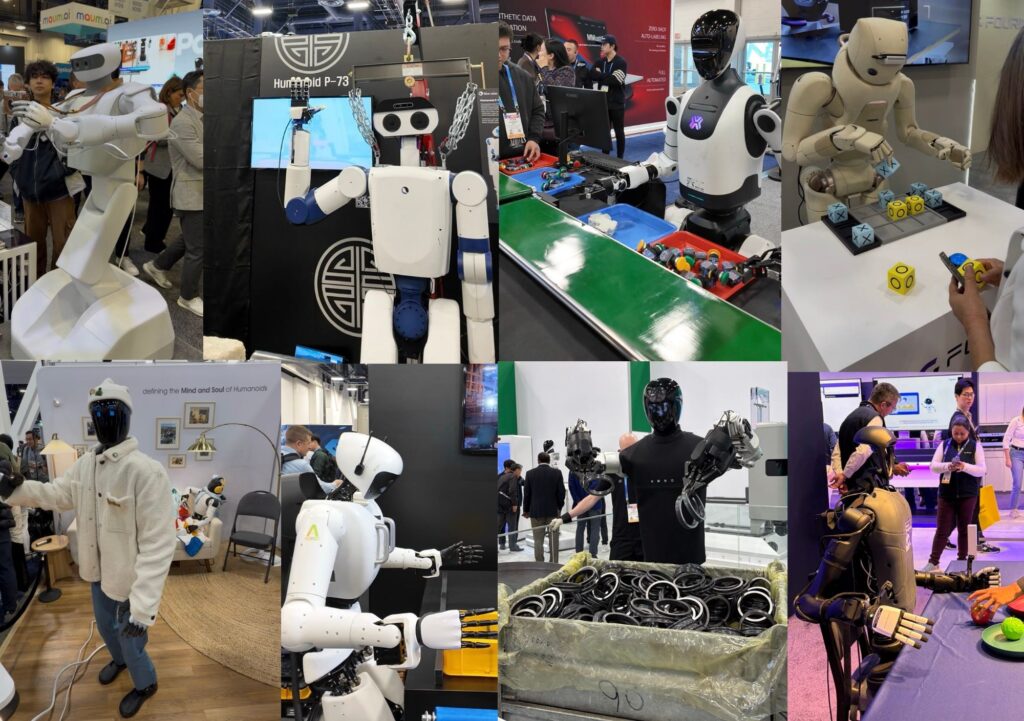
AI dominated CES 2026 announcements, moving beyond software into physical devices. LG’s CLOiD robot features actuated limbs for household tasks, while SwitchBot’s Onero H1 folds laundry and fetches items. Roborock’s Saros series introduced gripper arms for obstacle pickup in robot vacuums.

Wearables evolved with Ray-Ban Meta smart glasses gaining real-time translation and Samsung’s health-focused updates. Pocket AI companions like Rabbit R1 and Humane AI Pin improved agentic capabilities, handling complex tasks via voice.

Humanoid robots from Boston Dynamics and others hint at factory-to-home transitions. Privacy-focused on-device processing became a key selling point, addressing concerns in AI gadgets.

3. Smarter Homes: Matter Standard and AI Integration

Smart home devices emphasized interoperability through the Matter standard. Govee’s new lights integrated deeply with Samsung SmartThings, while Aqara and Philips Hue expanded ecosystems.

AI routines automated lighting, security, and energy management. Presence sensing via Wi-Fi disturbances improved motion detection without cameras. Robot vacuums like Roborock gained advanced avoidance and self-maintenance features.

Security cameras incorporated intelligent video analysis for better alerts.

4. Digital Health and Mobility: Wearables and Connected Vehicles

Health tech exploded with devices monitoring sleep, stress, and chronic conditions. Withings and Ultrahuman showcased advanced trackers, while Samsung integrated Galaxy Watch data with home appliances (e.g., adjusting AC based on sleep temperature).

Auto tech highlighted connected vehicles and hybrids, with Volvo keynoting affordability and autonomy features.

5. Foldables, AR Glasses, and Sustainable Innovations

Foldable phones advanced with Samsung’s TriFold concept. AR glasses from multiple brands focused on practical AI overlays. Sustainability featured in eco-materials and energy-efficient designs.

Conclusion

Top tech trends 2026 revolve around AI making devices proactive rather than reactive. CES proved innovation is accelerating, with practical applications in homes, health, and entertainment. Stay tuned to Gadgonic for in-depth reviews of these emerging technologies!