Energy Efficient Smart Home Devices 2026

Energy Efficient Smart Home Devices 2026: AI Gadgets That Slash Your Energy Bills

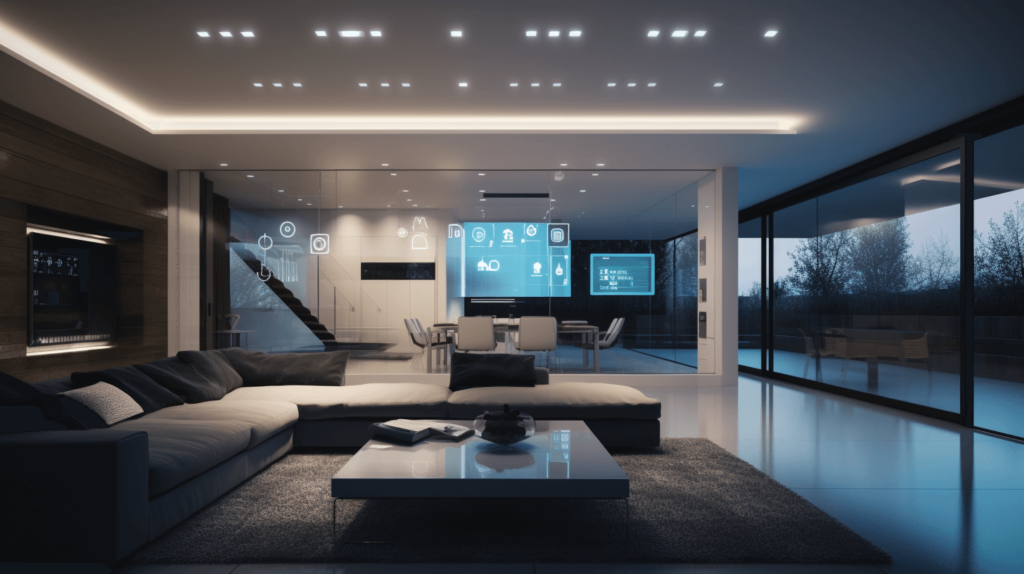
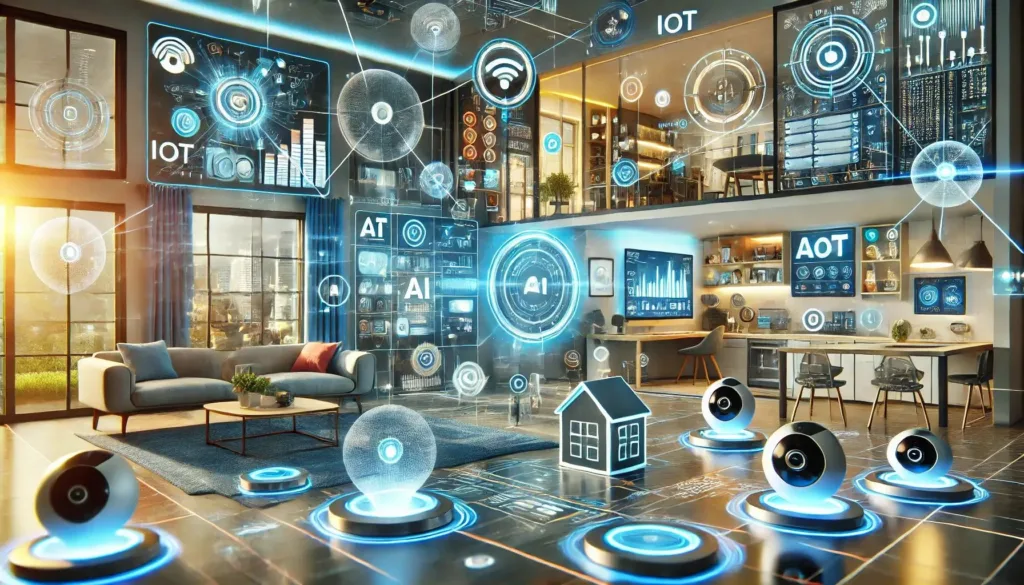
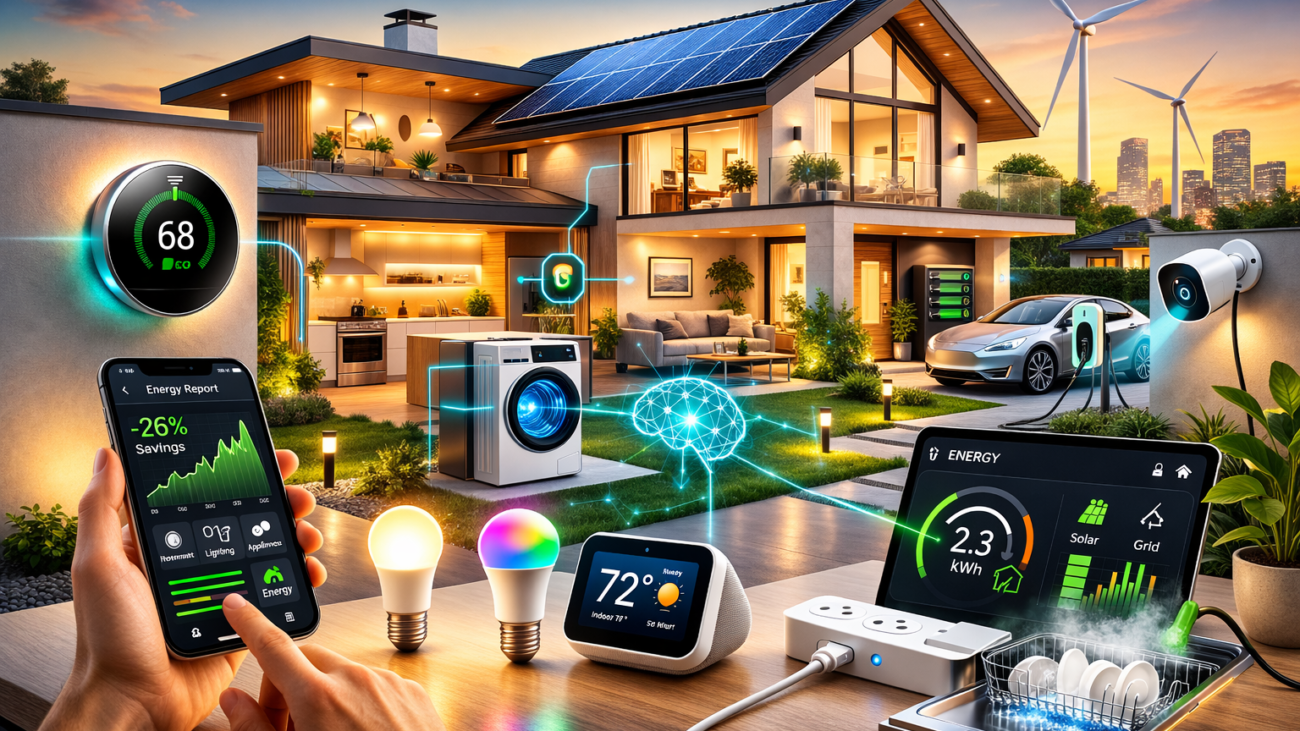
As we step into 2026, the landscape of home automation has evolved dramatically, with energy efficient smart home devices 2026 leading the charge in reducing utility bills and promoting sustainable living. These AI-powered gadgets aren’t just conveniences; they’re intelligent systems that learn from your habits, optimize energy use, and integrate seamlessly into your daily life. According to recent advancements, smarter home technology improves energy efficiency, comfort, security, and sustainability through connected automation. With rising energy costs and growing environmental concerns, adopting these devices can slash your bills by up to 26% annually, as claimed by leading manufacturers.

In this comprehensive guide, we’ll explore the top energy efficient smart home devices 2026 has to offer. From smart thermostats that adapt to your schedule to AI-driven lighting and appliances that minimize waste, these innovations are making homes greener and more cost-effective. We’ll delve into how they work, their benefits, installation tips, and future trends. By the end, you’ll have the knowledge to transform your home into an energy-saving powerhouse.

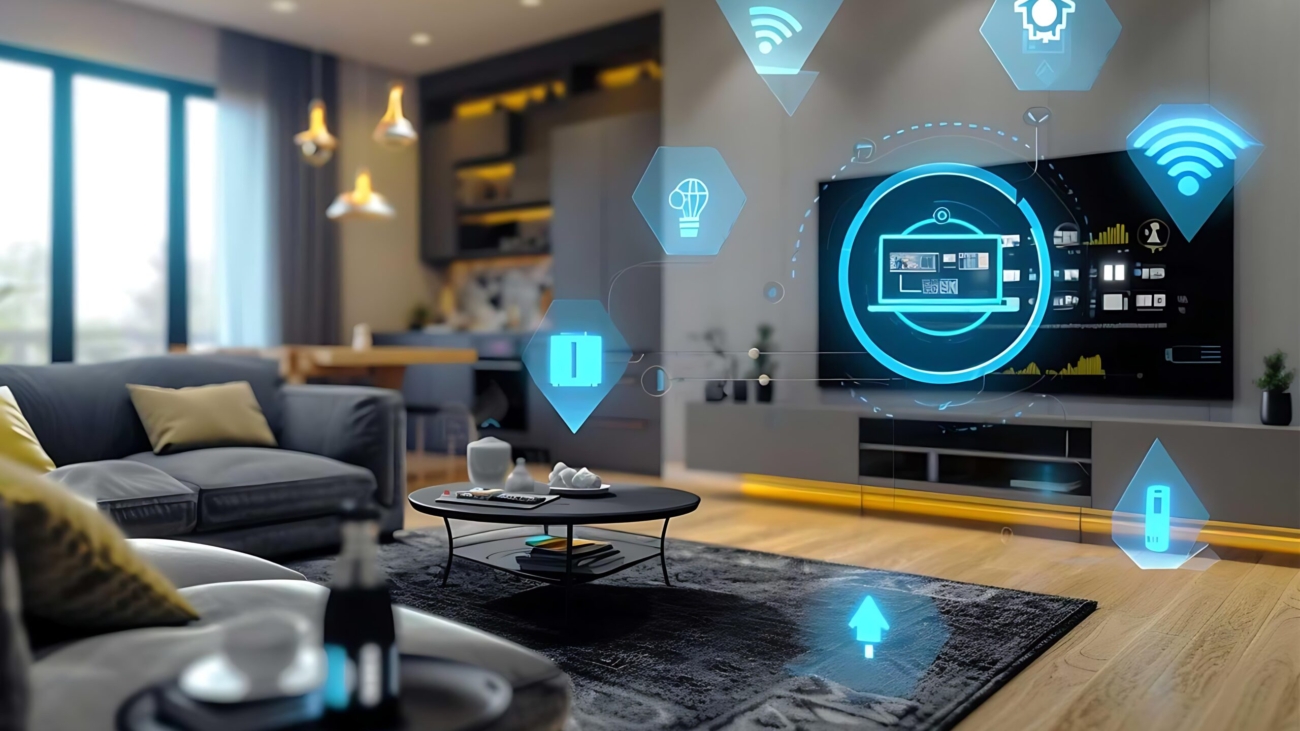
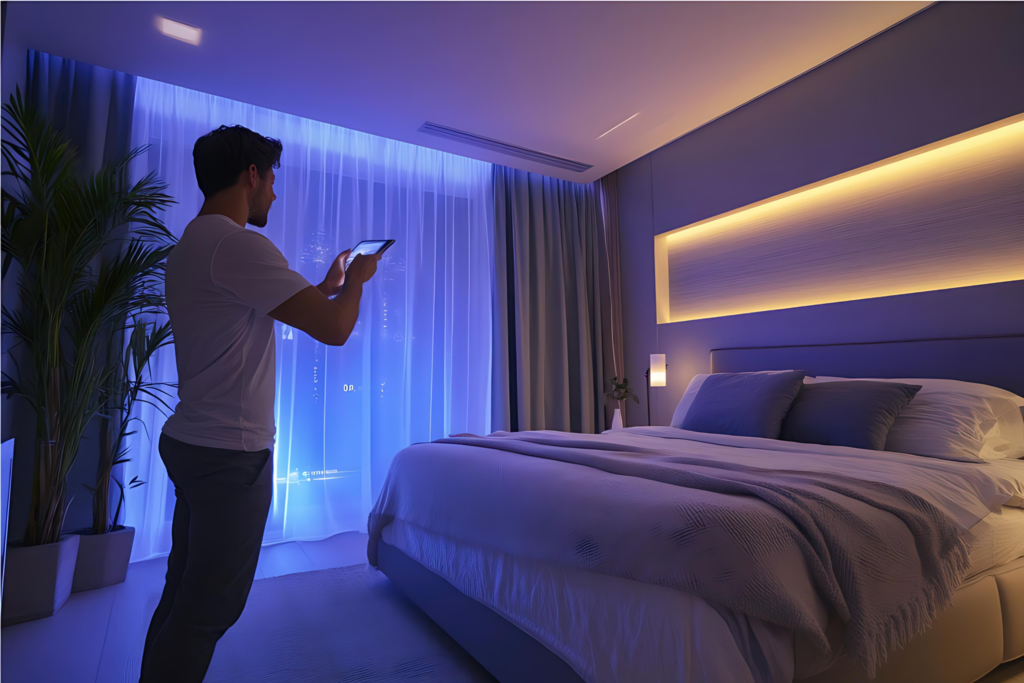
Imagine coming home to a perfectly tempered environment, lights that turn off automatically when not needed, and appliances that run only during off-peak hours—all controlled via your smartphone or voice commands. That’s the reality of energy efficient smart home devices 2026. Let’s dive in.
Energy Efficient Smart Home Devices 2026

The Rise of AI in Energy Efficient Smart Home Devices

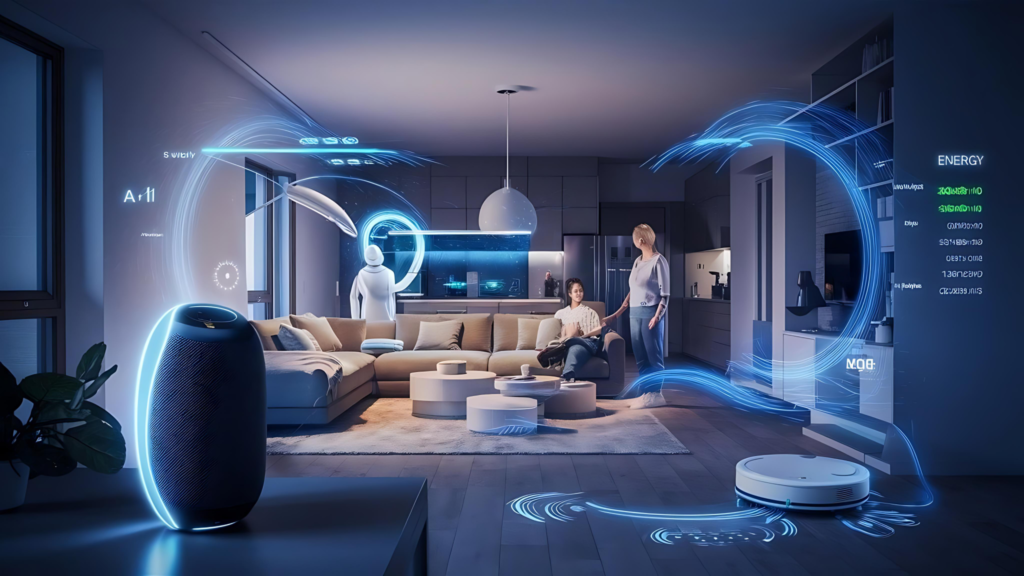
Artificial intelligence is at the heart of energy efficient smart home devices 2026. AI algorithms analyze data from sensors, weather forecasts, and user behavior to make real-time adjustments. For instance, platforms like Home Assistant and Apple’s Home app are emphasizing local execution for faster, more reliable control. This shift to local networks using protocols like Zigbee and Z-Wave creates mesh systems that grow stronger with more devices and consume less power.

In 2026, AI gadgets go beyond basic automation. They predict needs—dimming lights based on natural sunlight or adjusting HVAC systems during peak energy times. This not only cuts bills but also reduces your carbon footprint. Studies show that Energy Star-certified devices can save at least 8% on annual heating and cooling costs. With incentives from energy companies, upgrading to these systems is more accessible than ever.

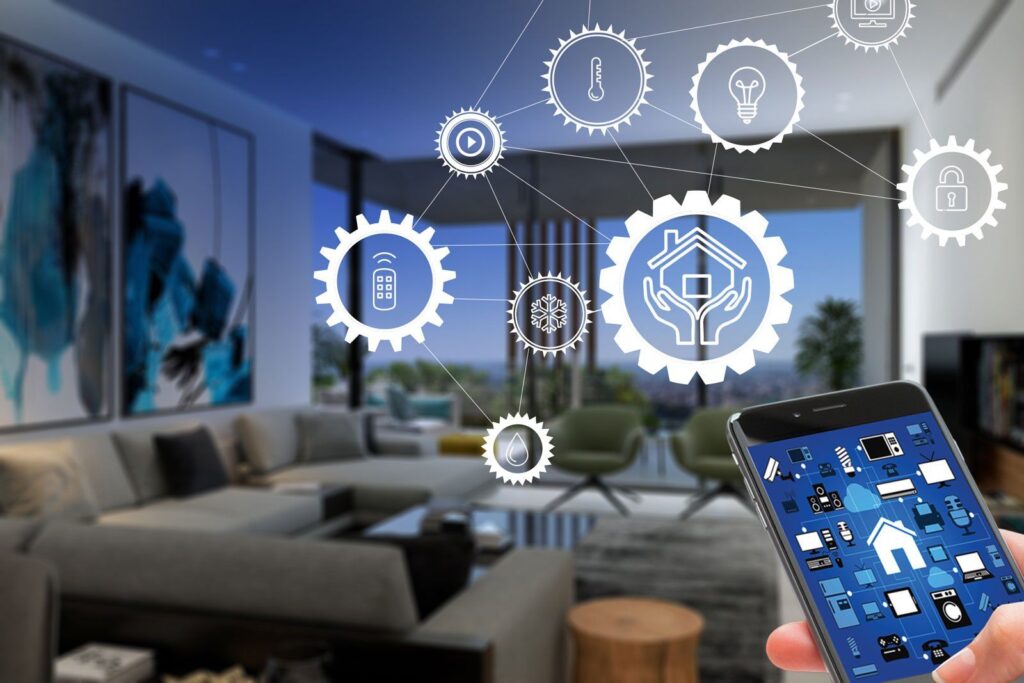
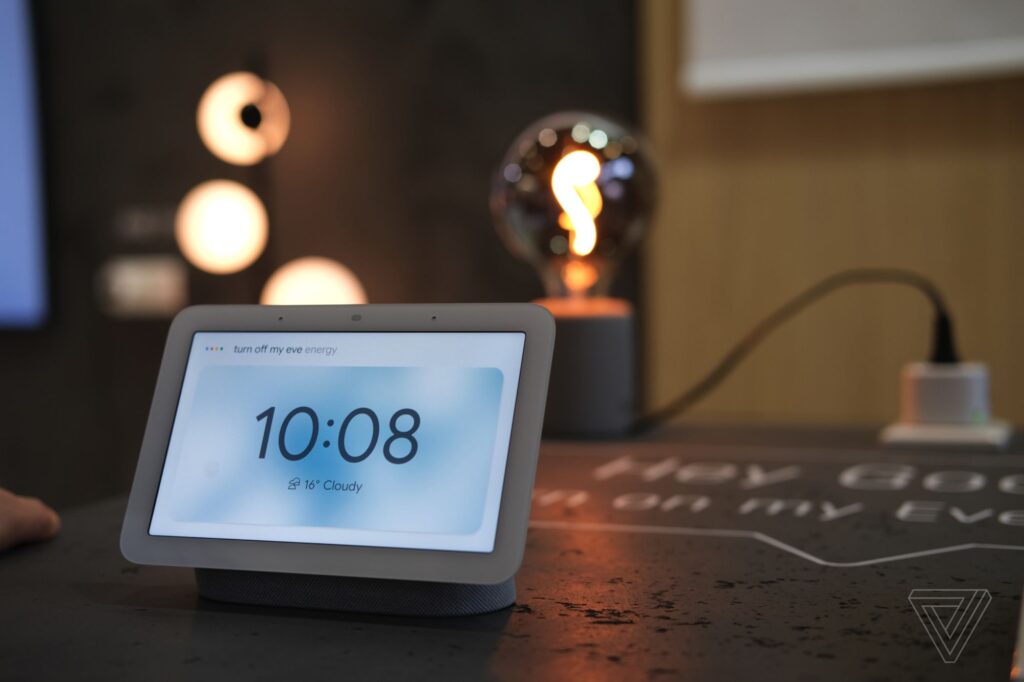
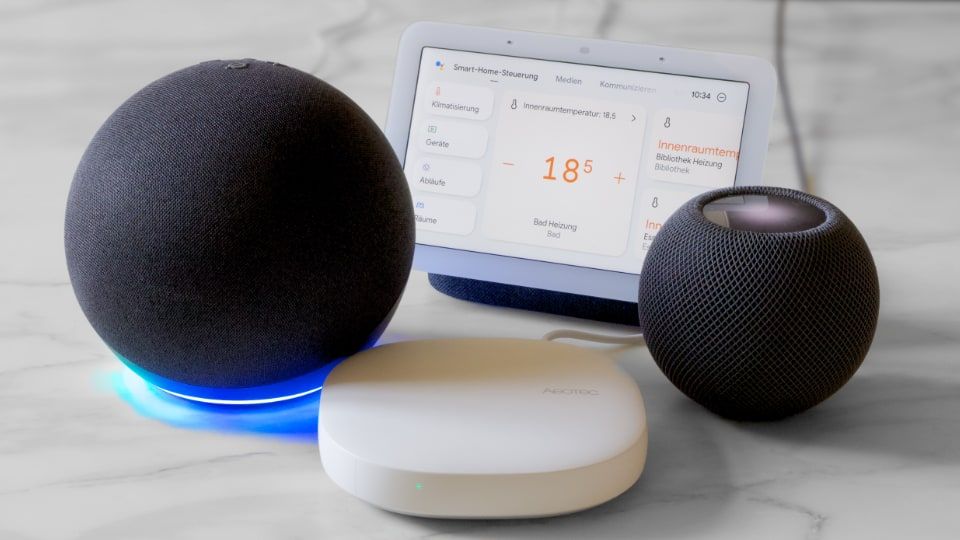
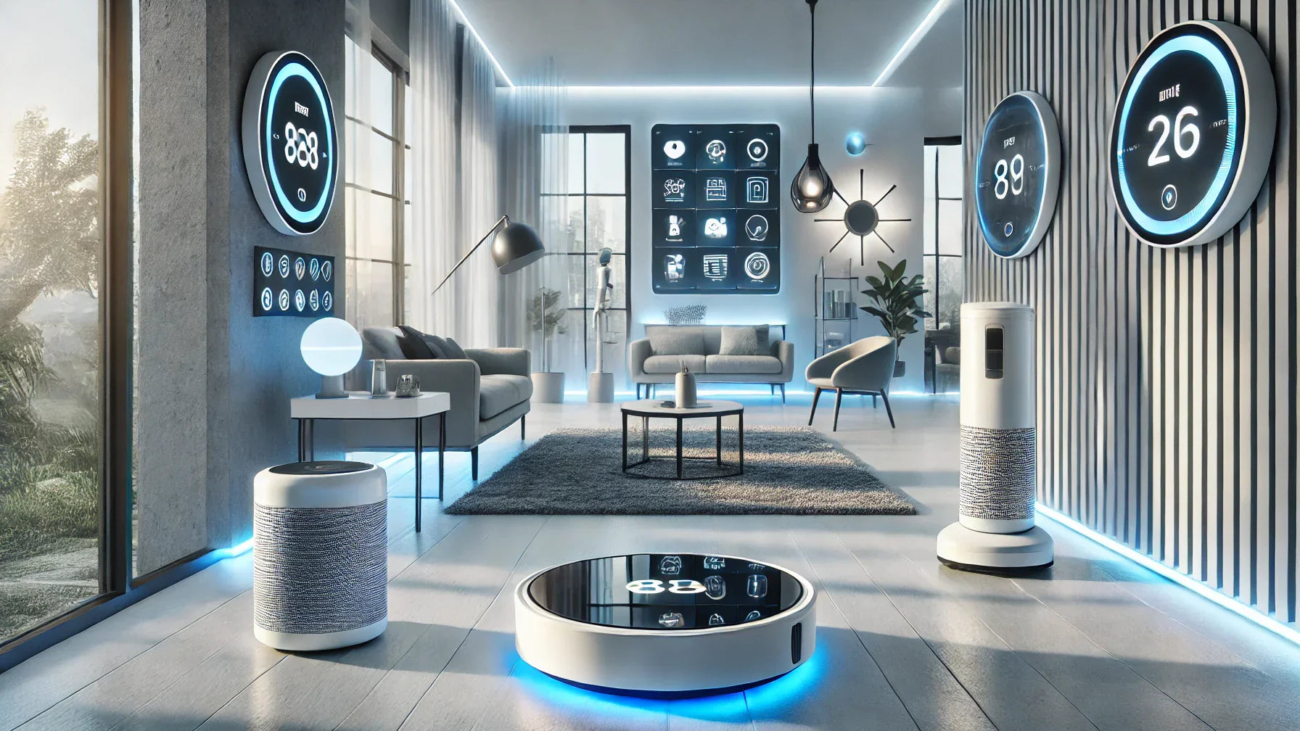
The integration of AI also enhances security and convenience. Devices communicate with each other, creating a symphony of efficiency where your thermostat talks to your blinds to block out heat, or your energy monitor alerts you to unusual consumption patterns. As we explore specific categories, keep in mind that compatibility with ecosystems like Google Nest, Amazon Alexa, or Apple HomeKit is crucial for a seamless setup.

Smart Thermostats: The Cornerstone of Energy Savings

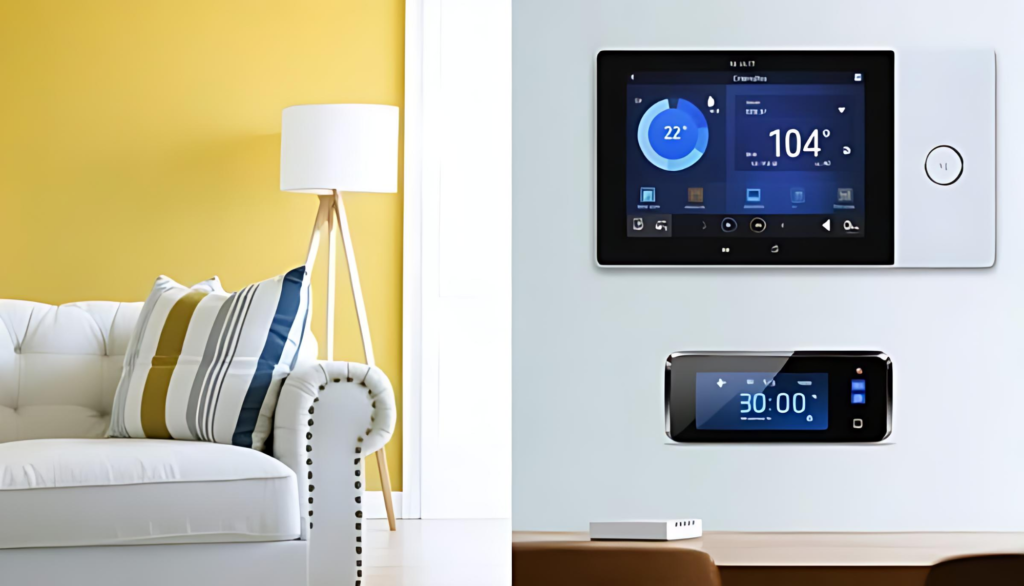
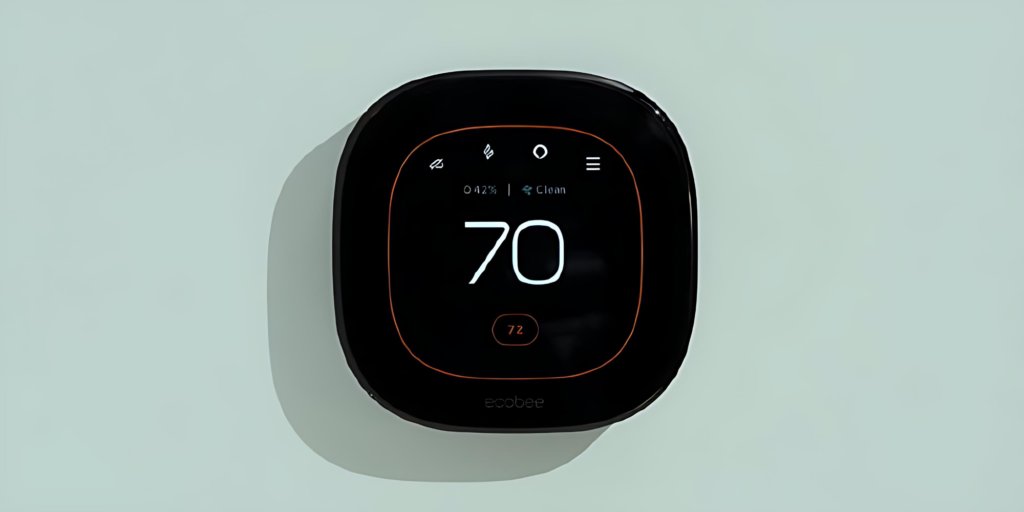
No discussion of energy efficient smart home devices 2026 would be complete without highlighting smart thermostats. These gadgets are game-changers for HVAC management, potentially saving up to 26% on energy bills by learning your preferences and automating temperature controls.

Top picks for 2026 include the Ecobee Smart Thermostat Premium, which features remote sensors for consistent temperatures across rooms. It integrates with voice assistants and offers energy-saving modes like “Eco” that adjust based on occupancy. The Nest Learning Thermostat is another standout, with its intuitive interface and monthly energy reports that track usage and suggest optimizations. It uses presence sensors to detect when you’re home, ensuring no energy is wasted on empty rooms.

Installation is straightforward—most models replace your existing thermostat in under an hour, with app-guided setups. For homes without central air, options like the GE Profile Clearview Smart Air Conditioner provide app and voice control, cooling efficiently while monitoring energy use.

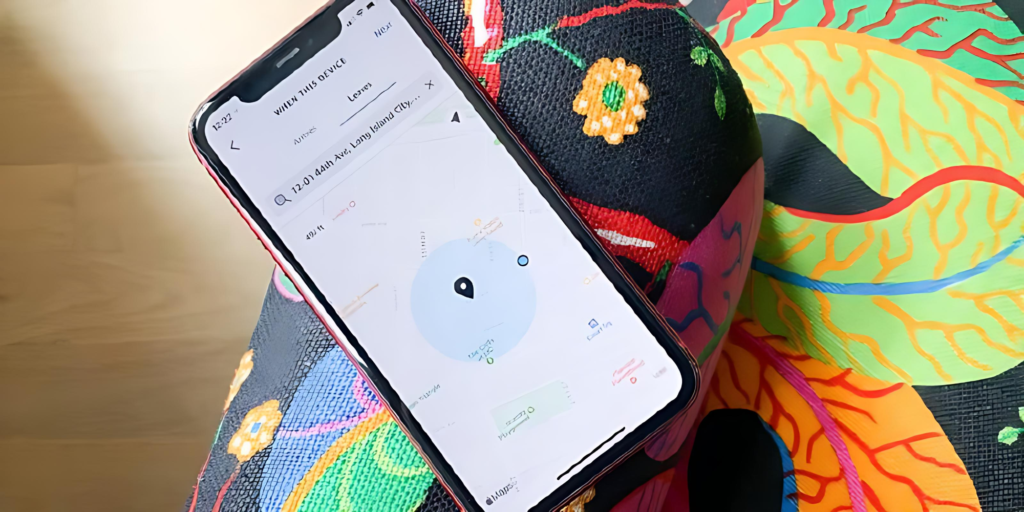
Benefits extend beyond savings: These devices contribute to sustainability by reducing overall energy demand. In 2026, advanced scheduling and geofencing—where the thermostat adjusts as you approach home—make them indispensable. Users report average savings of $50-100 per month, depending on climate and home size. If you’re starting your smart home journey, a smart thermostat is the ideal entry point for energy efficient smart home devices 2026.
Energy Efficient Smart Home Devices 2026

AI-Powered Smart Lighting: Illuminate Smarter, Not Harder

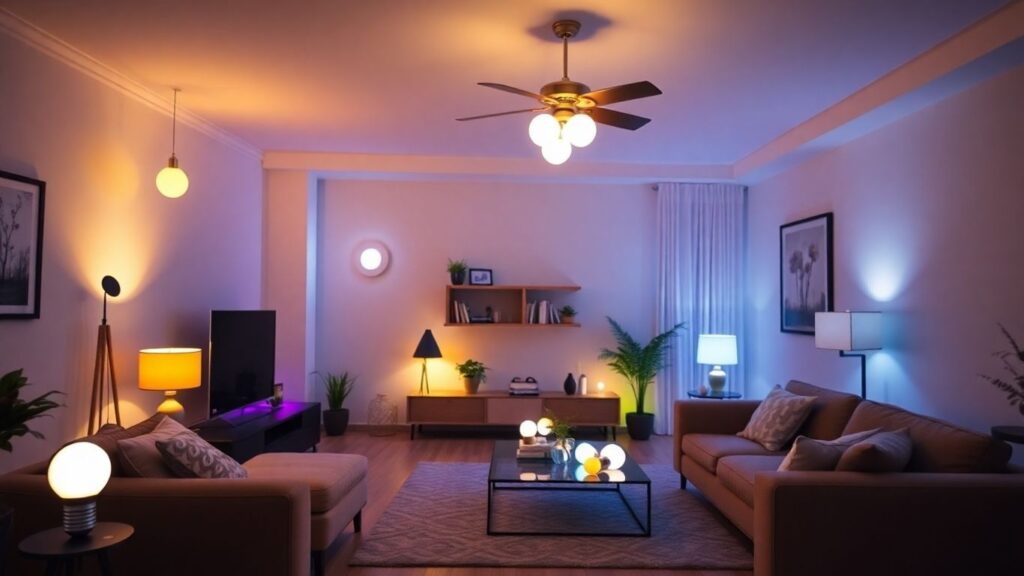
Smart lighting is another pillar of energy efficient smart home devices 2026, offering significant reductions in electricity use. Traditional bulbs waste energy when left on, but AI gadgets like Philips Hue or TP-Link Kasa bulbs dim, change color, and turn off automatically based on motion, time, or ambient light.

In 2026, these systems integrate with weather data to maximize natural light, reducing reliance on artificial sources. For outdoor spaces, devices like the Square D X Series Smart Wi-Fi Dimmer enhance security while being energy efficient. They support scheduling and voice control, ensuring lights are only on when needed.

The energy savings are impressive: Smart bulbs use LED technology, consuming up to 75% less power than incandescents, and last longer. AI takes it further by learning patterns—e.g., brighter lights in the evening for reading, dimmer for movie nights. Integration with smart hubs allows scenes like “Away Mode,” where lights simulate occupancy to deter burglars without constant energy draw.

For whole-home setups, consider mesh networks that expand coverage without extra power. CES 2026 showcased creative lighting like Tactacam’s innovative designs that blend aesthetics with efficiency. Cost-wise, initial investment pays off quickly; a single smart bulb can save $10-20 yearly in energy.

To optimize for energy efficient smart home devices 2026, pair lighting with sensors. This not only slashes bills but also adds ambiance and security, making your home feel truly intelligent.
Energy Efficient Smart Home Devices 2026

Energy Monitoring Devices: Track and Tackle Waste

Knowledge is power, especially when it comes to energy use. Energy monitoring devices are essential energy efficient smart home devices 2026, providing real-time insights into consumption patterns.

Models like the TP-Link Kasa Smart Wi-Fi Plug Slim monitor appliance power usage, supporting voice commands and third-party integrations. Whole-home monitors, such as those from Sense or Emporia, detect inefficiencies across your electrical panel, alerting you to vampire loads—devices that draw power when off.

AI analyzes data to suggest actions, like scheduling high-energy appliances during low-rate periods. In 2026, these gadgets integrate with solar systems for net-zero homes, tracking production versus consumption.

Benefits include identifying culprits like old fridges or leaky windows, leading to targeted upgrades. Users often see 10-15% bill reductions just from awareness. Installation varies: Plugs are plug-and-play, while panel monitors may require an electrician.

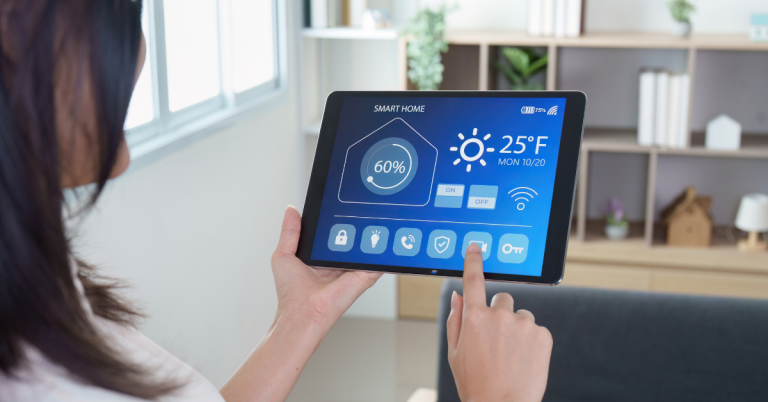
For energy efficient smart home devices 2026, combining monitors with automation creates a feedback loop—e.g., turning off standby devices automatically. This empowers homeowners to make data-driven decisions for sustainability.
Energy Efficient Smart Home Devices 2026

Smart Appliances: Kitchen and Laundry Revolutionized

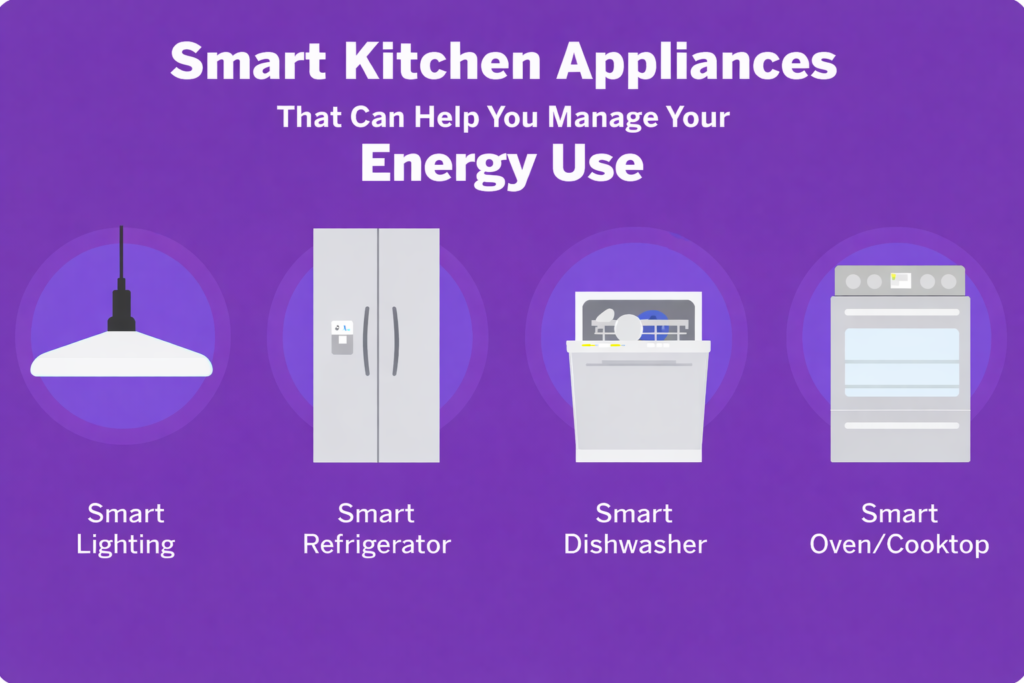
Smart appliances are transforming high-energy areas like kitchens and laundries into efficient zones. In 2026, energy efficient smart home devices include refrigerators, dishwashers, and washers that optimize cycles based on AI.

Take smart refrigerators: Models from Samsung or LG feature cameras to track inventory, reducing food waste and unnecessary door openings that spike energy use. They adjust cooling based on usage patterns, saving up to 20% on power.

Dishwashers and ovens, like those with app controls, run eco modes during off-peak hours. The TP-Link Kasa Smart Wi-Fi Power Strip turns any appliance smart, monitoring and automating power.

For laundry, smart washers detect load size and soil level, using minimal water and energy. Integration with energy monitors ensures they operate when solar production is high.

These devices not only cut bills but also extend appliance life through predictive maintenance. In energy efficient smart home devices 2026, they’re key to achieving net-zero goals.
Energy Efficient Smart Home Devices 2026

Solar Integration and Renewable Energy Gadgets

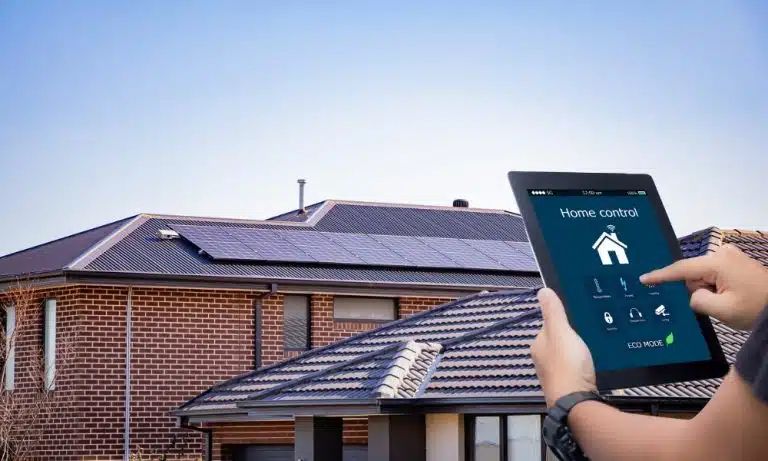
Solar power is booming in 2026, with smart integrations making it a core part of energy efficient smart home devices. Systems like Jackery’s solar gazebos capture energy discreetly, storing it for home use.

AI optimizes solar output by predicting weather and adjusting consumption—e.g., charging EVs or running appliances when panels are at peak. Devices like smart inverters monitor and distribute power efficiently.

For homeowners, this means energy independence and massive savings. Pairing with batteries like Tesla Powerwall ensures power during outages, with apps providing detailed analytics.

In energy efficient smart home devices 2026, solar isn’t optional—it’s integral for sustainable living.
Energy Efficient Smart Home Devices 2026

Future Trends in Energy Efficient Smart Home Devices

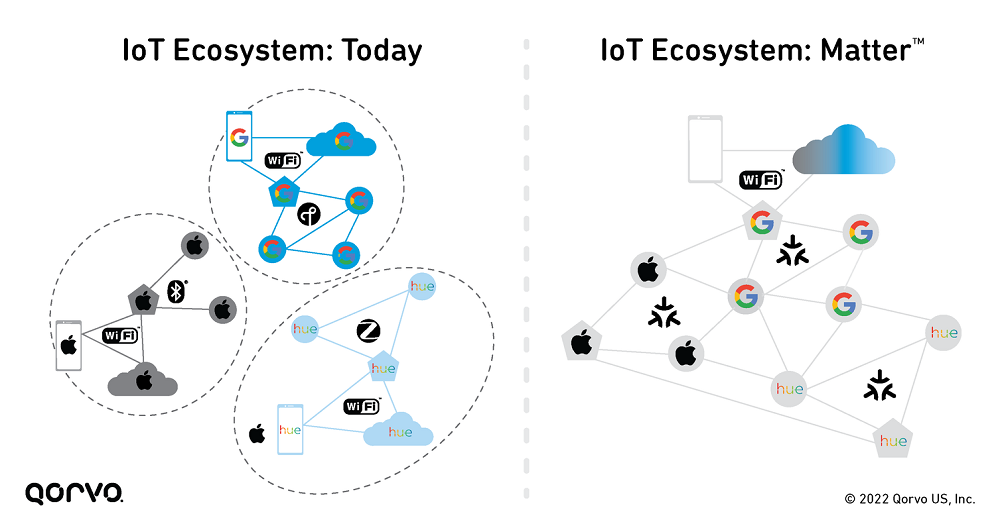
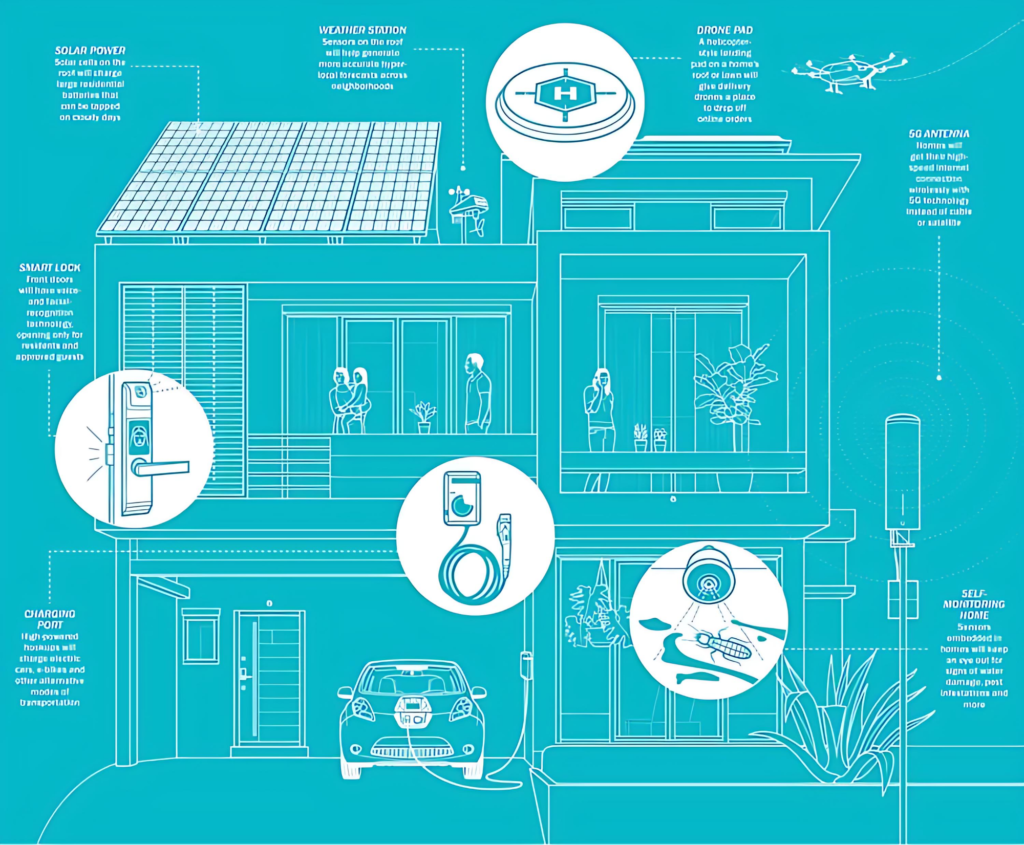
Looking ahead, energy efficient smart home devices 2026 and beyond will feature even more AI sophistication. Expect widespread adoption of Matter protocol for universal compatibility. Cellular security cameras and AI locks will enhance security without Wi-Fi dependency.

Sustainability will drive innovations like self-monitoring homes that detect pests or damage. With 5G integration, response times will be instantaneous.

Privacy concerns are being addressed with local processing, ensuring data stays secure. As costs drop, these devices will become standard in new builds.

Conclusion

Energy efficient smart home devices 2026 are more than gadgets—they’re investments in a cheaper, greener future. From smart thermostats saving on HVAC to solar integrations powering your home renewably, the potential for bill slashing is immense. Start small, integrate gradually, and watch your energy costs plummet.

By embracing these AI-powered innovations, you’re not just saving money; you’re contributing to a sustainable planet. Ready to upgrade? Research compatible devices and take advantage of rebates today.

AI privacy smart home 2026

AI Privacy Smart Home 2026: Secure Devices & Tips to Protect Your Data


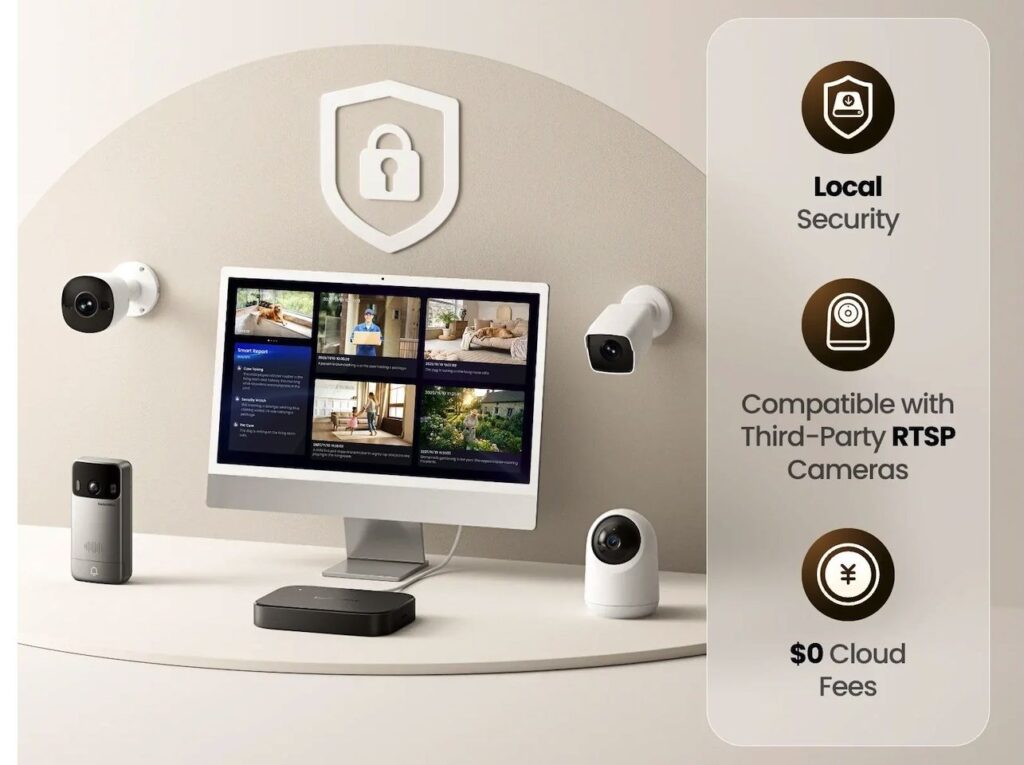
As AI becomes central to smart homes in 2026, privacy remains a top priority for users who want intelligent features without compromising personal data. AI privacy smart home 2026 focuses on devices and setups that emphasize local processing, strong encryption, no mandatory cloud subscriptions, and minimal data sharing—keeping your footage, voice commands, and routines under your control.

In this informative guide from Gadgonic, we’ll explain the key privacy risks, highlight top secure picks across cameras, hubs, and voice assistants, and share practical tips to build a safer connected home. Whether you’re upgrading your setup or starting fresh, these choices help you enjoy AI benefits responsibly.

Understanding AI Privacy Risks in Smart Homes 2026

Many AI features rely on cloud processing—sending video, audio, or sensor data to remote servers for analysis. This can expose you to data breaches, unauthorized access, or company policy changes. In 2026, common concerns include always-listening mics, facial recognition stored off-device, and third-party app permissions. The good news? On-device AI and local hubs now handle most tasks without uploading anything, reducing these risks significantly.

Top AI Privacy Smart Home 2026 Picks: Cameras

Privacy-focused cameras lead with local storage and on-device AI detection.

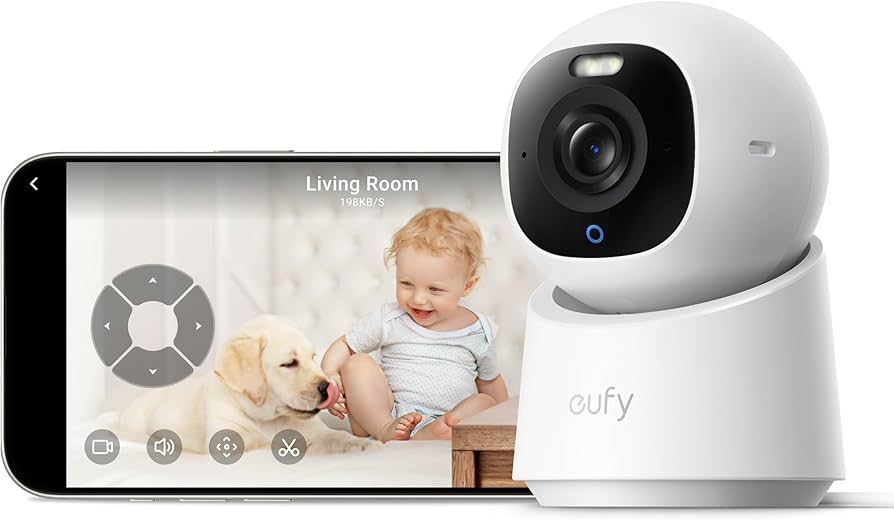
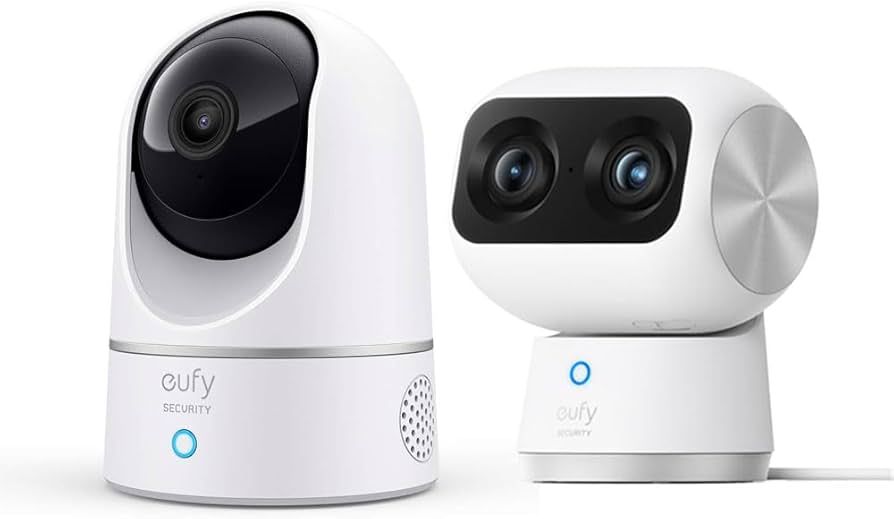
  • Eufy Indoor Cam series (like E220 or E30 models): Features 4K resolution, pan-tilt, pet/human tracking, and full local storage via microSD—no cloud required for core functions. AI processes motion and recognition right on the device.

These avoid subscriptions while delivering reliable alerts and night vision.

Top AI Privacy Smart Home 2026 Picks: Hubs & Local Processing

The heart of a private setup is a local hub running AI without cloud dependency.

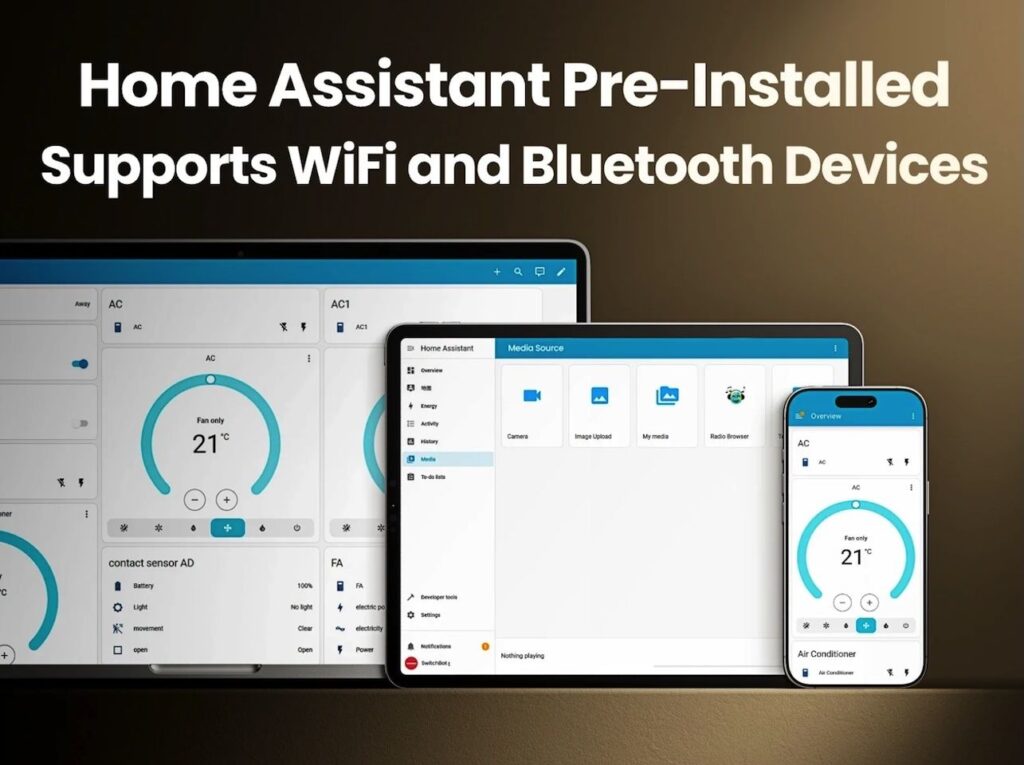
  • Home Assistant (open-source): Runs on a Raspberry Pi or mini PC for full local control. Add-ons like Frigate enable AI object detection (people, vehicles, pets) entirely on your hardware—no data leaves your network.
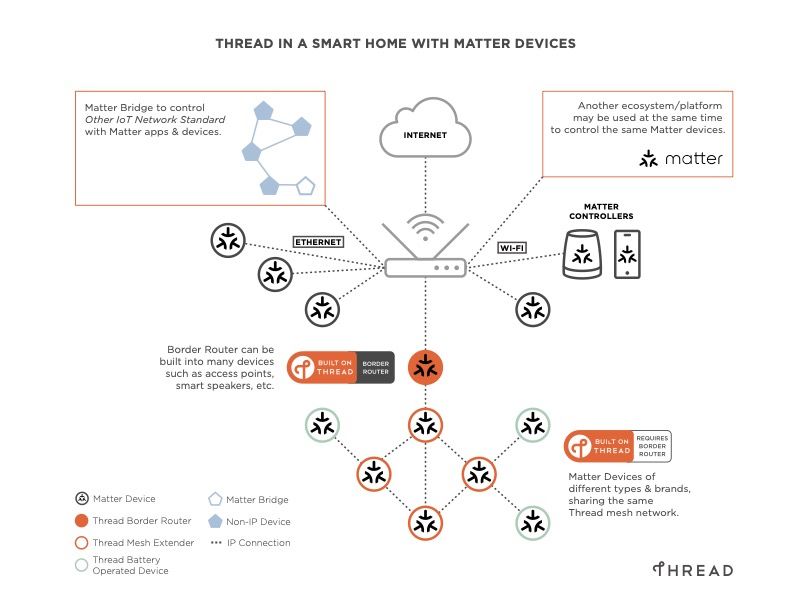
  • Aqara Hub M3 or SwitchBot AI Hub: Support local AI for automations, voice commands, and camera feeds with Matter/Thread for broad compatibility.

These hubs give you dashboard access and custom automations while prioritizing privacy.

Top AI Privacy Smart Home 2026 Picks: Voice Assistants

For voice control without constant listening risks:

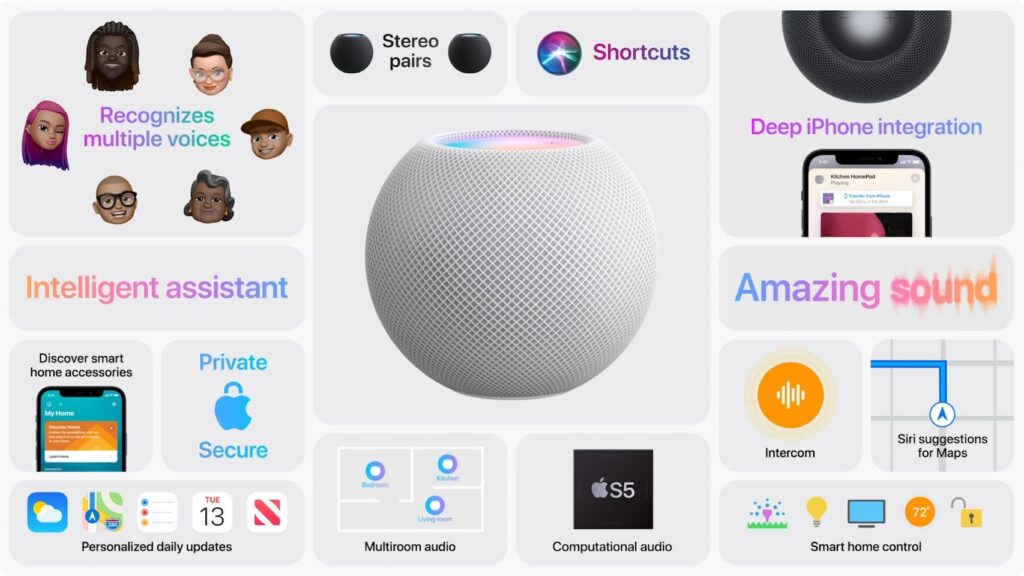
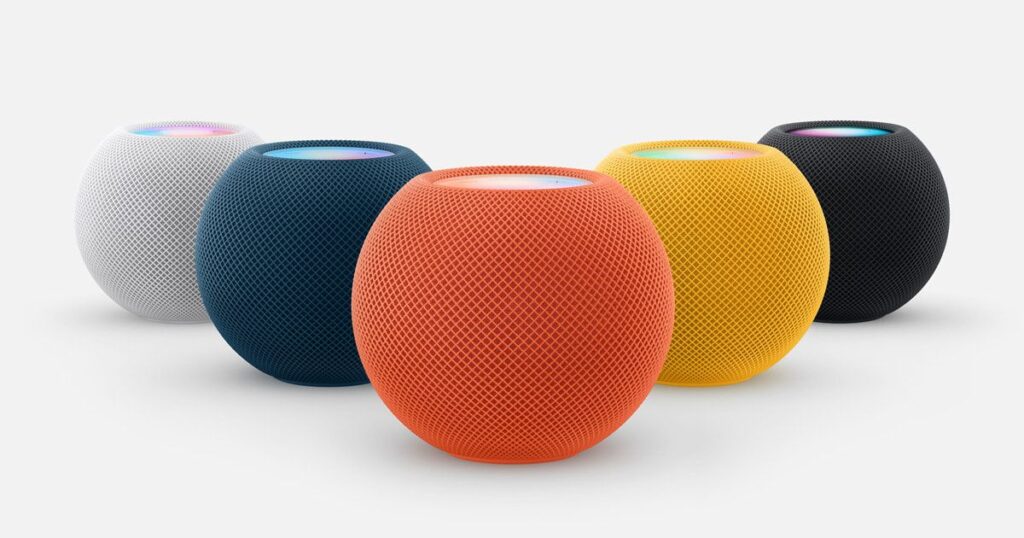
  • Apple HomePod mini: Processes Siri requests on-device where possible, uses end-to-end encryption, and integrates deeply with Apple HomeKit for secure automations. It avoids broad data collection compared to always-on alternatives.

Pair it with HomeKit Secure Video for encrypted camera storage in iCloud (with private relay options).

Practical Tips for AI Privacy Smart Home 2026

1. Choose local-first devices — Look for “on-device AI,” local storage, or open-source support.

2. Secure your network — Use a strong Wi-Fi password, enable WPA3, set up a guest network for IoT devices, and consider a VPN router.

3. Review permissions regularly — Disable unnecessary mics/cameras, use 2FA on apps, and audit connected devices.

4. Start small and test — Begin with one privacy-focused hub or camera to ensure compatibility before expanding.

5. Update firmware — Manufacturers release patches for security vulnerabilities—keep everything current.

These steps minimize exposure while keeping your smart home functional and AI-enhanced.

What the Future Holds for AI Privacy Smart Home 2026 and Beyond

Regulations are tightening around data collection, pushing more on-device processing and transparent AI. Expect widespread adoption of local AI models, better Matter encryption standards, and user-controlled privacy dashboards. Brands prioritizing privacy will gain trust as users demand more control.

FAQs

Do privacy-focused smart home devices lack features?  

No—many match or exceed cloud-based options in AI detection, automation, and quality, just without remote data sharing.

Is local AI slower than cloud AI?  

In 2026, on-device processing is fast enough for real-time tasks like motion alerts or voice recognition, especially with modern hardware.

Can I mix privacy devices with others?

Yes, use a local hub like Home Assistant as the brain to keep sensitive data local even if some devices use cloud.

How much does a privacy-first setup cost? 

Start under $200 with a good camera and hub; scale affordably compared to subscription-heavy systems.

Conclusion

Building an AI privacy smart home 2026 is easier than ever with devices that put security and control first. By choosing local processing options like Eufy cameras, Home Assistant hubs, and Apple HomePod, you get powerful AI without the privacy trade-offs. Stay informed and secure—follow Gadgonic for more guides on smart tech, AI innovations, and privacy tips!

smart home automation ideas

Smart Home Automation Ideas to Save Time and Money in 2026


In 2026, smart home automation ideas transform everyday living by making your home proactive, energy-smart, and effortless. Automating lighting, climate, and routines with assistants like Amazon Alexa, Google Home, or Apple HomeKit can slash energy bills by 10–25% and reclaim hours weekly from manual tasks.  

Affordable triggers (schedules, motion, geofencing) power these setups — no advanced skills needed.

1. Automated Lighting: Cut Waste and Set the Perfect Mood  

Smart bulbs (e.g., Philips Hue, Wizl, or Matter bulbs) prevent forgotten lights and enable dynamic scenes.

Practical Ideas & Triggers  

  • Sunrise/sunset auto-adjust: Lights fade in/out naturally.  
  • Motion in hallways/bathrooms: On when needed, off after inactivity.  
  • Away” geofencing: All off when you leave home.

Benefits — 20–30% lighting energy savings; hands-free convenience.

Smart Home Automation Ideas

Smart Home Automation Ideas

2. Smart Climate Control: Intelligent Heating & Cooling

Smart thermostats (Nest, Ecobee, Honeywell) learn patterns and optimize HVAC.

Practical Ideas & Triggers  

  • Auto-schedule + learning: Adjusts based on habits.  
  • Geofencing: Eco mode when away, comfort on return.  
  • Voice routines: “Alexa, good night” lowers temp for sleep.

Benefits — 10–20% HVAC savings (biggest bill component); steady comfort.

Smart Home Automation Ideas

3. Daily Routines: One Command Does It All 

Routines chain devices for seamless flows in Alexa/Google/HomeKit.

Practical Ideas & Triggers 

  • Good Morning: Gradual lights, thermostat up, coffee on (smart plug), briefing.  
  • Good Night: Lights off, temp down, locks secure.  
  • Movie Mode: Dim lights, close blinds (if smart).  
  •  Away: Low-power everything + security alerts.

Benefits — Minutes saved daily; reduced standby power.

Smart Home Automation Ideas


Additional Quick Wins  

 Smart plugs for appliances (off-peak scheduling).

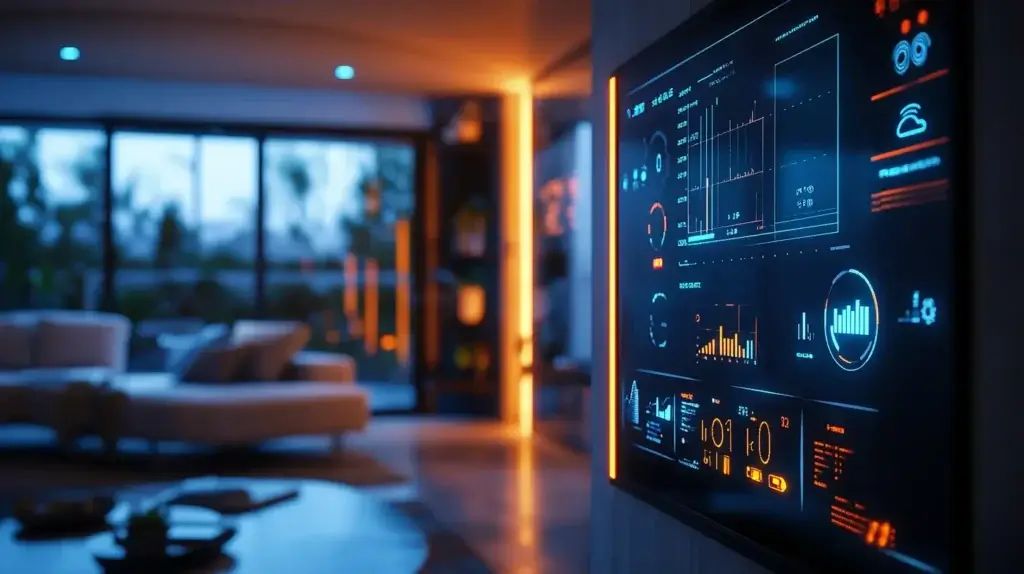
Energy dashboards in apps to monitor/track savings.

How to Get Started

Pick an ecosystem, start with 2–3 devices, build routines in the app. Matter standard makes mixing easy in 2026.

FAQs:

What are the best smart home automation ideas to save money?

Smart thermostats + geofencing (10–20% HVAC savings), motion lights (20–30% lighting reduction), and away routines top the list for quick ROI.

How do Alexa routines save time and money?  

One voice command or schedule turns off lights/thermostat/appliances, cutting manual effort and unnecessary energy use.

Can Google Home automation really lower energy bills?  

Yes — Nest integration with weather/geofencing auto-optimizes climate, often saving 10–15% without comfort loss.

What smart home automation ideas work with Apple HomeKit?

Privacy-focused: Siri-triggered lighting/climate routines, geofencing, and time-based scenes for secure, efficient control.

Are smart home automation ideas worth it in 2026? 

Definitely — low-cost devices pay back fast via energy/time savings, with improved compatibility and AI smarts.

All images are copyright-free/royalty-free (from stock sources like Unsplash, Pexels equivalents via search) — right-click or visit source URLs to download. Let me know if you need more images or tweaks!

Conclusion 

These smart home automation ideas deliver real savings and simplicity. Implement one today — your time and budget will improve noticeably.

Which smart home automation idea excites you most? Comment below!

best matter devices 2026

Best Matter Devices 2026: Top Picks to Future-Proof Your Smart Home

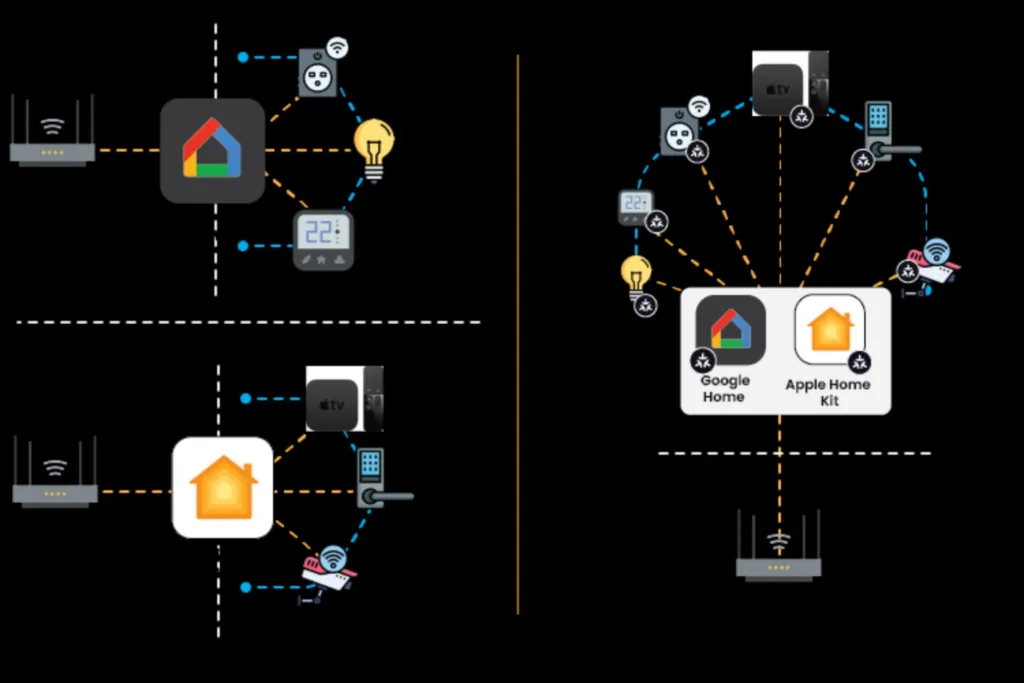
Best Matter devices – 2026 In 2026, the smart home landscape has shifted dramatically thanks to Matter, the universal standard that eliminates ecosystem lock-in. Whether you use Alexa, Google Home, Apple Home, or Samsung SmartThings, Matter ensures devices work together locally, securely, and reliably — often over Thread for faster, lower-power connections.  

With Matter 1.5 now supporting advanced categories like cameras and robot vacuums, 2026 is the year to build or upgrade a truly future-proof smart home. Below are the Best Matter devices 2026 leading the way, based on CES 2026 announcements, real-world performance, and compatibility.

1. Best Hubs & Controllers for Matter 

A strong Matter hub (or controller) is essential — it acts as the brain, enabling local control and Thread support.  

Aqara Hub M3 / Camera Hub G350 — Dual-band Wi-Fi, Thread, Zigbee, and full Matter controller support. Doubles as a 4K pan-tilt camera with AI detection. Perfect for mixed ecosystems.  

Samsung SmartThings Station — Powerful Matter-certified hub with Thread border router capabilities. Ideal for DIY setups and broad device bridging.  

Amazon Echo (4th-gen) or Echo Hub — Affordable entry with built-in Matter + Thread support. Great for Alexa users.

2. Best Smart Lighting  

Lighting remains the easiest entry point — Matter makes color, dimming, and automations seamless across platforms.  

AiDot Linkind Wi-Fi Matter Smart Bulb — Affordable, full-color (16 million options), works directly with Matter. No hub needed for basic use.  

Philips Hue (updated models) — Premium color accuracy + Matter bridge support. Excellent for advanced scenes.  

Ikea Varmblixt / new Matter-over-Thread line — Budget-friendly lights and sensors transitioning fully to Matter/Thread in 2026.

3. Best Smart Locks – Best Matter Devices 2026

Matter + Thread brings reliable, low-power door control with broad compatibility.  

Aqara Smart Lock U400 — Matter over Thread, auto-unlock, palm/facial recognition options. Standout from CES 2026.  

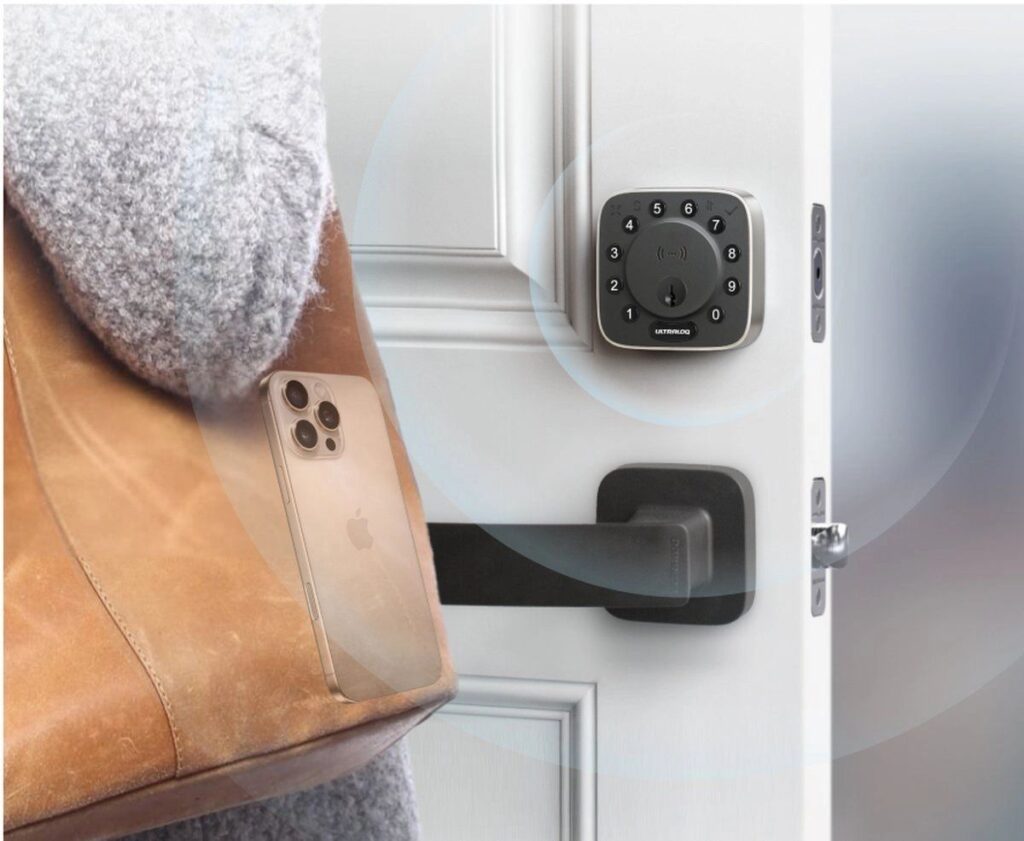
Kwikset Aura Reach / Ultraloq models — Matter deadbolts with keypad, auto-unlock, and physical backup. Strong privacy features.  

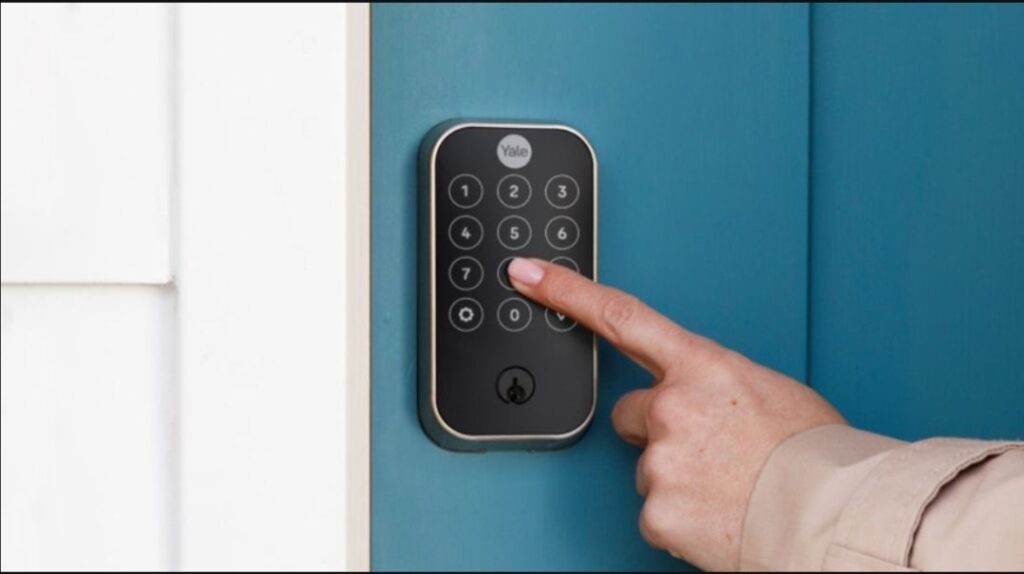
Yale Assure (Matter-focused line) — Thread-enabled, works flawlessly across ecosystems.

4. Best Robot Vacuums 

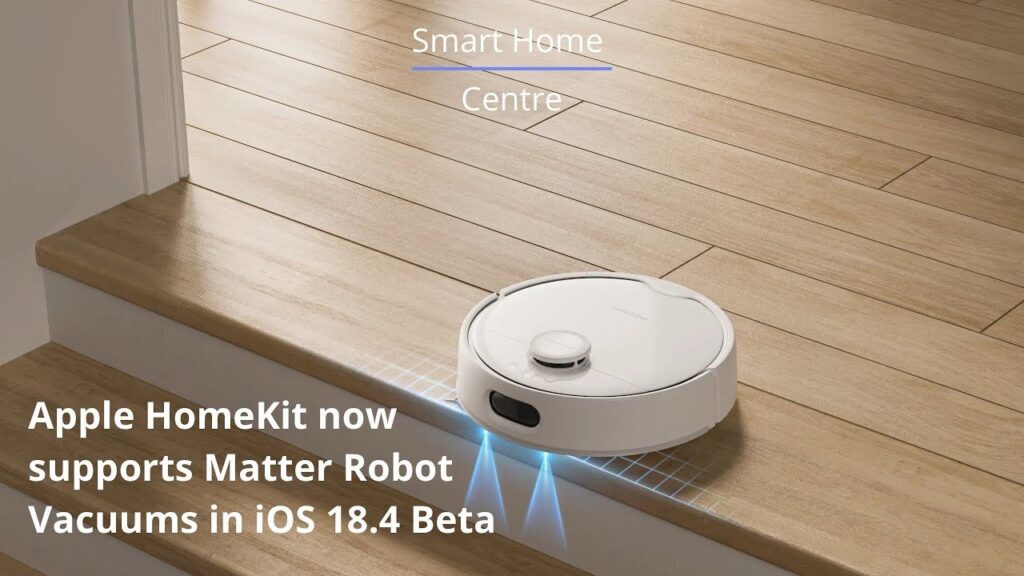
Matter 1.5 finally brings robot vacuums into the fold for unified control.  

Roborock Saros Rover / S8 MaxV series — AI mapping, obstacle avoidance, Matter support for scheduling and status in any app.  

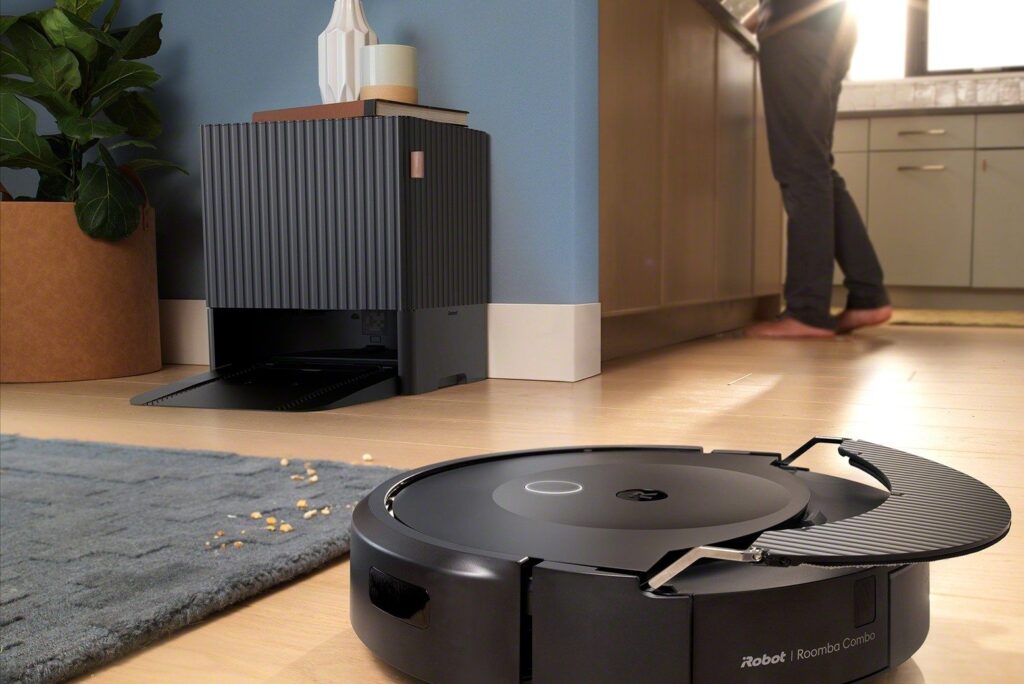
iRobot Roomba Combo 10 Max — Self-washing mop + Matter integration for cross-platform routines.

5. Other Standouts  

Aqara Camera Hub G5 Pro — Outdoor Matter camera + hub with AI alerts and Thread/Zigbee.  

Eve Thermostat — Privacy-focused, local control Matter thermostat.  

Comparison Table: Best Matter Devices 2026

Category Top Pick Key Features Price Range Best For
Hub Aqara Hub M3 / G350 Matter + Thread + Zigbee + 4K Camera $100–$200 Mixed ecosystems
Lighting Linkind Matter Bulb Full color, no hub needed $15–$30 Budget-friendly entry
Smart Lock Aqara U400 Thread, auto-unlock, AI recognition $200–$300 Security & convenience
Robot Vacuum Roborock Saros Rover AI navigation, Matter scheduling $500+ Hands-free whole-home clean

Why Go Best Matter Devices 2026 in 2026?  

Interoperability — Switch platforms without replacing devices.  

Local control — Faster, more private (less cloud dependency).  

Future-proof — Growing support for cameras, appliances, and more. 

How to Get Started

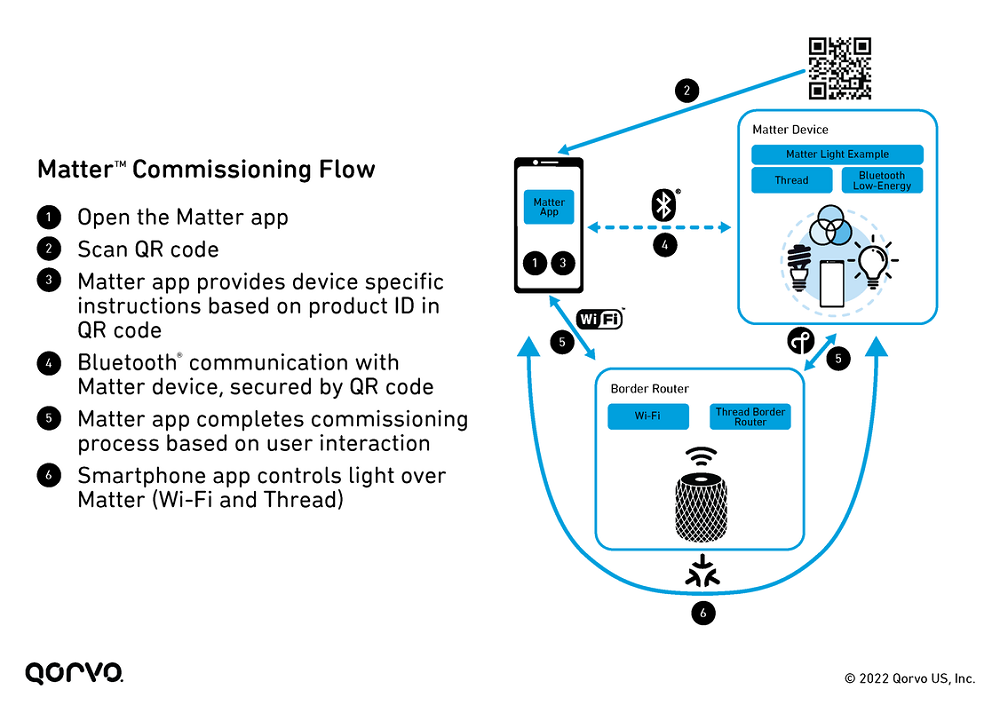
1. Choose a Matter controller/hub (Echo, HomePod, Nest Hub, or Aqara/SmartThings).  

2. Look for the Matter logo + QR code on packaging. 

3. Use your preferred app (Apple Home, Google Home, Alexa) to commission devices.

Conclusion  

2026 is the breakthrough year for Matter — devices like Aqara locks, Roborock vacuums, and Linkind bulbs make building a unified, future-proof smart home easier and more affordable than ever. Start small with lighting or a hub, then expand. Your setup will thank you when the next big standard arrives.  

Which Matter device are you eyeing first? Drop a comment below or check out more gadget reviews on gadgonic.com!

28A4DFF4-AD1B-45A1-8F97-DF57AE7318FC

Best Smart Home Devices 2026: Build Your Connected Home

Smart home technology has reached a turning point in 2026. With the Matter standard now widely adopted, devices from different brands finally work together seamlessly. AI integration has made homes more intuitive – lights adjust based on your mood, cameras recognize familiar faces, and robot vacuums handle obstacles like pros. The best smart home devices 2026 focus on reliability, privacy, energy efficiency, and true automation rather than gimmicks.

This in-depth guide reviews the top smart home devices across categories: hubs, lighting, security cameras, thermostats, robot vacuums, and more. We evaluate based on compatibility (especially Matter/Thread), ease of setup, AI features, build quality, and value. Whether you’re starting fresh or expanding an existing setup, these recommendations will help you build a truly connected home in 2026.

Why 2026 Is the Best Year to Go Smart

The smart home market has matured significantly. Early frustrations like incompatible protocols and unreliable connections are largely solved thanks to Matter – an open standard backed by Apple, Google, Amazon, Samsung, and hundreds of manufacturers. Thread networking provides faster, more reliable mesh connections. AI processing is increasingly on-device, improving privacy and speed.

Energy efficiency is another focus, with devices helping reduce electricity bills through intelligent scheduling and presence detection. Security has improved with end-to-end encryption and local processing options.

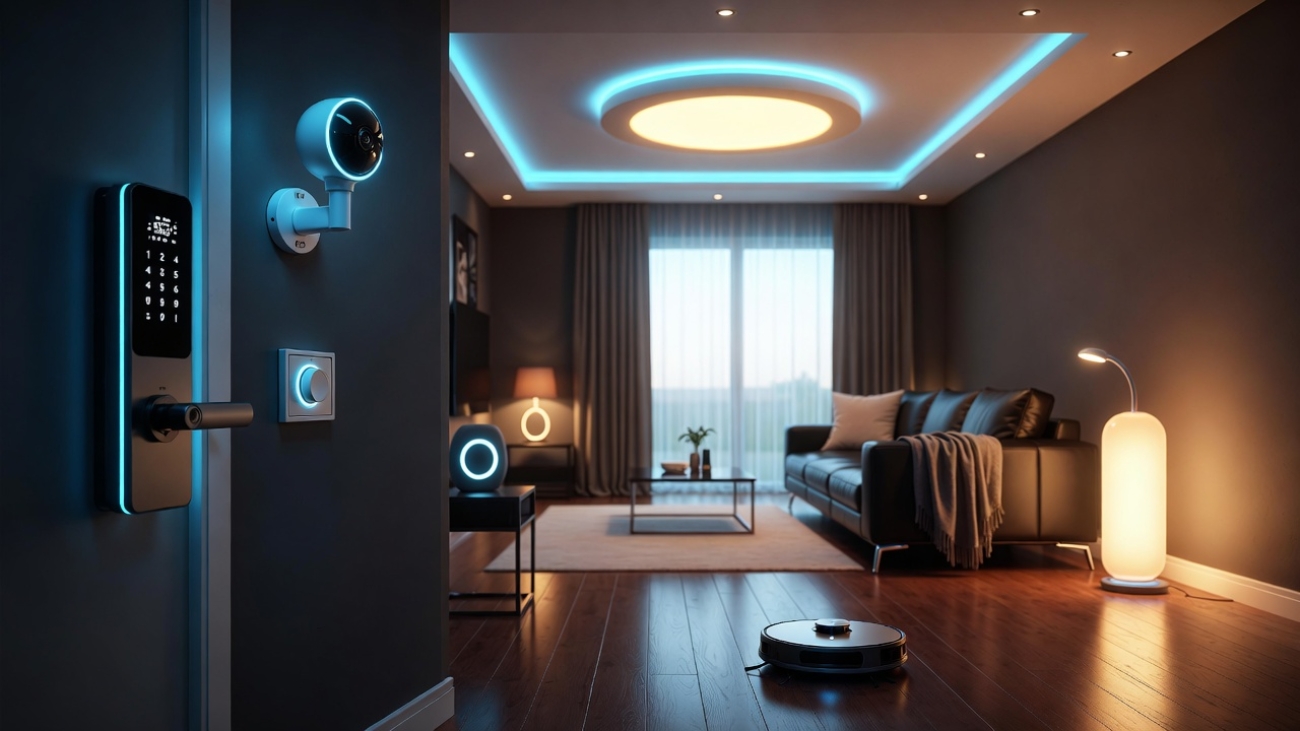
Modern smart homes blend seamlessly into daily life.

Best Smart Home Hubs and Controllers 2026

The hub remains the brain of your smart home.

Top Pick: Aqara Hub M3  

The Aqara Hub M3 stands out as the most versatile Matter/Thread hub in 2026. It supports Zigbee, Thread, Matter, infrared, and even PoE for stable wired connections.

Pros:

– Local control (no cloud dependency for basic functions)

– Built-in IR blaster for legacy appliances

– Dual-band Wi-Fi + Ethernet

– Excellent third-party integration

Cons:

– App could be more polished

Runner-Up: Philips Hue Bridge Pro  

Philips upgraded their classic bridge with full Matter support and faster processing.

Budget Option: Amazon Echo Hub  

Wall-mounted control center with excellent Alexa integration.

Best Smart Lighting 2026

Lighting sets the mood and saves energy.

Top Overall: Govee Permanent Outdoor Lights Pro  

Govee’s AI-powered outdoor lights dominated CES 2026 with individual pixel control and scene synchronization.

Indoor Pick: Nanoleaf Elements Pro  

Wood-look panels with dynamic lighting effects and Matter support.

Best Bulbs: Philips Hue Gradient Signe  

Rich colors, excellent white temperatures, and seamless integration.

Budget Champion: WiZ Color Bulbs  

Full features at half the price of Hue.

Best Smart Security Cameras 2026

Privacy and AI recognition are key improvements.

Best Overall: Aqara Camera Hub G5 Pro  

4K resolution with built-in hub functionality and local AI processing.

Outdoor Pick: Ring Floodlight Cam Pro 

360-degree coverage with advanced motion zones and color night vision.

Indoor Privacy Focus: Google Nest Cam (Indoor, Wired) 

On-device processing and familiar face alerts.

Best Budget: TP-Link Tapo C425  

Solar-powered with impressive 2K clarity.

Best Smart Thermostats 2026

Control comfort and save energy.

Top Pick: Ecobee Smart Thermostat Premium  

Built-in air quality monitor, Alexa speaker, and remote sensors.

Best for Matter: Google Nest Learning Thermostat (4th Gen)

Self-learning algorithms with improved design.

Budget Option: Amazon Smart Thermostat 

Simple but effective with Alexa integration.

Best Robot Vacuums and Mops 2026

The biggest advancements came in obstacle avoidance and self-maintenance.

Best Overall: Roborock Saros 10R

The gripper arm innovation lets it pick up small objects like socks and cables.

Premium Alternative: iRobot Roomba Combo j9+ 

Advanced navigation with object recognition and auto-emptying.

Best Mop Focus: Dreame X40 Ultra  

Hot water mop washing and exceptional suction.

Budget Champion: Eufy Clean X9 Pro  

Excellent performance at under $600.

Best Smart Locks and Entry Systems 2026

Security starts at the door.

Top Pick: Yale Approach Lock with Matter  

Retrofit design with fingerprint, keypad, and app control.

Premium: Level Lock+ Connect  

Invisible design with Apple Home Key support.

Best Video Doorbell: Nest Doorbell (Battery, 2nd Gen)  

Improved HDR and package detection.

Best Smart Speakers and Displays 2026

Voice assistants remain central.

Best Display: Amazon Echo Show 21  

Massive screen with improved spatial audio.

Best Audio: Sonos Era 300  

Exceptional sound with Alexa and Sonos Voice.

Privacy Focus: Apple HomePod (3rd Gen)


Computational audio and temperature/humidity sensors.

Building Your Smart Home: Tips for 2026

Start with a hub that supports Matter and Thread for future-proofing. Choose one ecosystem (Google, Alexa, Apple, or Samsung) for voice control, but use Matter devices for flexibility. Prioritize local processing for privacy. Consider energy monitoring plugs to track usage.

Privacy and Security Considerations

Look for end-to-end encryption and local AI processing. Avoid cloud-dependent devices for critical functions. Regularly update firmware.

The Future of Smart Homes Beyond 2026

We’re heading toward truly ambient computing – homes that anticipate needs rather than require commands. AI will learn routines, health patterns, and preferences to create personalized environments.

Conclusion

2026 marks the year smart homes became truly smart – reliable, interoperable, and genuinely useful. The best smart home devices 2026 solve real problems while respecting privacy and working together seamlessly.

Start small with lighting or a robot vacuum, then expand as needed. The ecosystem has never been more welcoming to new users.

Which smart home upgrade are you planning for 2026? Share your thoughts in the comments!