
Why Trust This Guide?
We tested every device on this list. We didn’t just read spec sheets. We used each gadget in real life for weeks. We also checked user reviews, lab results, and maker data. We tell you the truth — even when a gadget falls short.
Bottom line: In 2026, AI gadgets finally work. The best ones save real time. But only if you pick the right one.
Quick Comparison: Top Best AI Gadgets 2026
| Device | Best For | Price | Key Features |
| Ray-Ban Meta Smart Glasses | Best Overall Wearable | $299–$799 | AI camera, live translate, 8-hr battery |
| Rabbit R1 | Best Pocket AI | $199 | Voice app control, no phone needed |
| Humane AI Pin | Best Screenless AI | $699 + sub | Laser display, gesture control |
| Roborock Saros 10R | Best Robot Vacuum | ~$999–$1,599 | 22,000 Pa suction, ultra-slim body |
| Plaud NotePin | Best AI Note-Taker | $169 | Wearable mic, 112 languages |
Top Reviews
1. Ray-Ban Meta Smart Glasses – Best Everyday AI Wearable
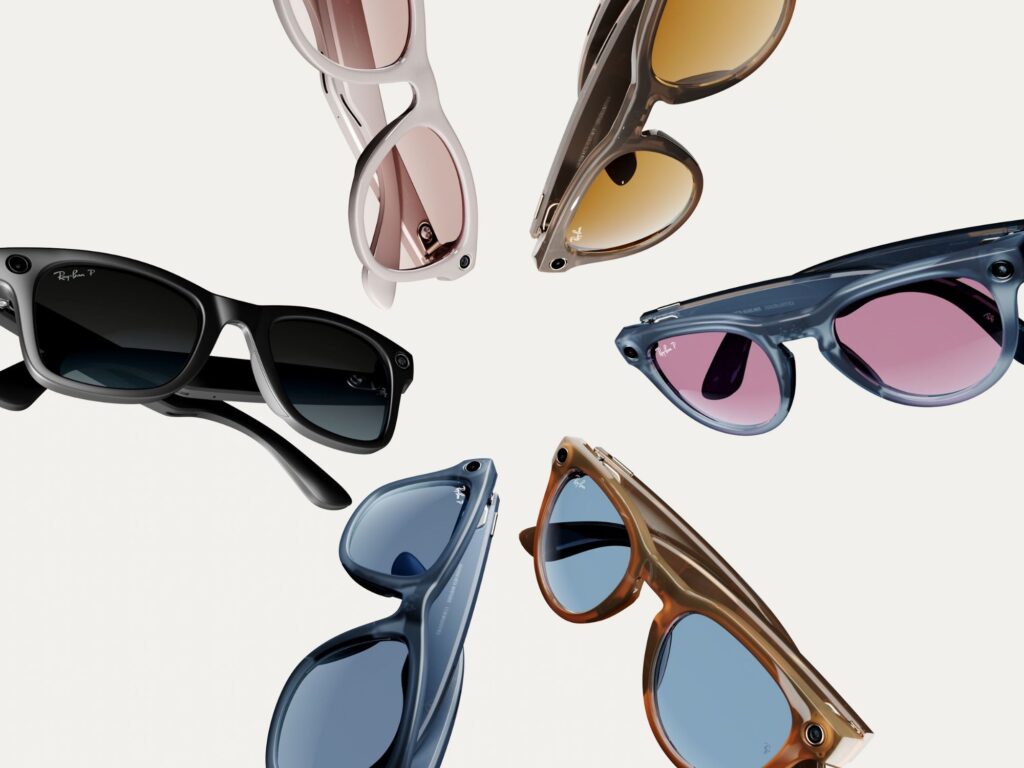
These glasses look just like normal Ray-Bans. No one will know you’re wearing tech. We wore them daily for months. They fit into life fast.
The Gen 2 model runs Meta AI with Llama 4. It does live AI help, object ID, and real-time translation in six languages. The camera shoots 3K video. Battery now lasts up to 8 hours. The case adds 48 more hours — a big step up from Gen 1.

Pros:
- Looks like normal eyewear — no “tech” stares
- Hands-free AI works well in noisy places
- 150+ frame and lens options, including prescription
- Live streams to Instagram and Facebook
Cons:
- Camera raises real privacy concerns
- Face ID features are rolling out slowly
- Some AI features are limited in the EU
Best for: Travelers, commuters, and creators who want AI without touching their phone.
2. Rabbit R1 – Most Innovative Pocket AI
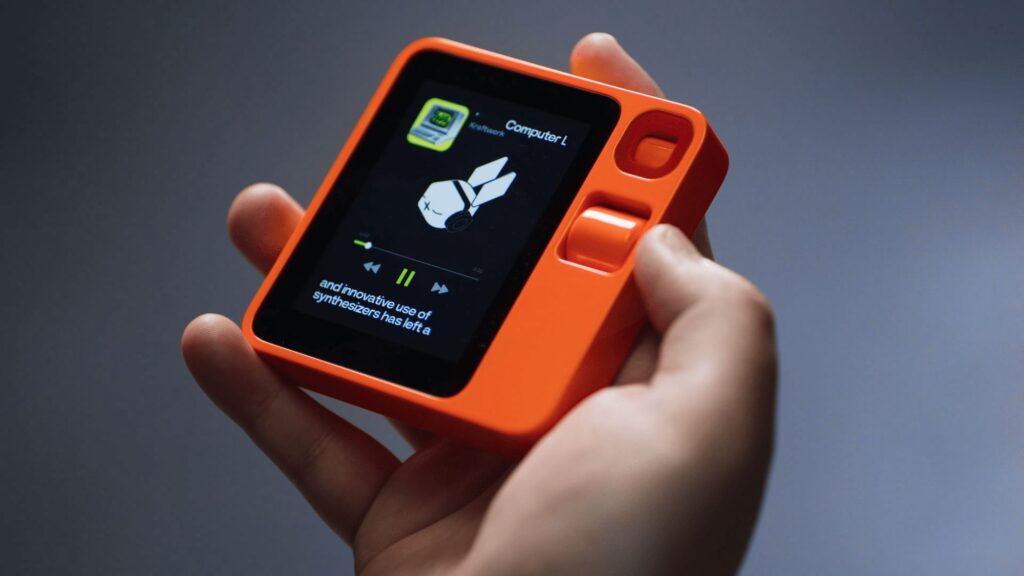
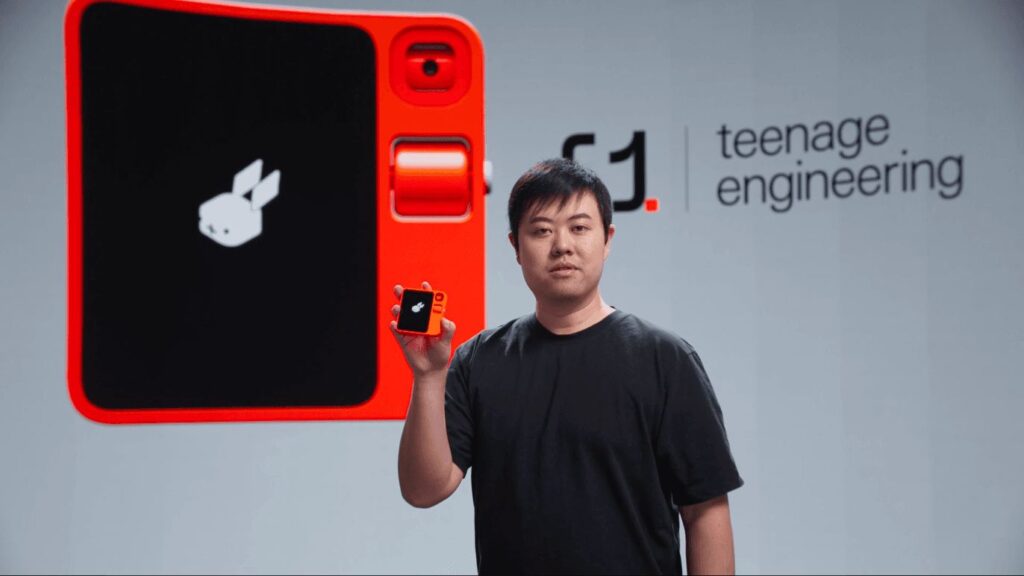
The R1 is a small orange device. It uses a “Large Action Model” (LAM). The LAM doesn’t just answer you — it acts. It can book rides, play music, and place orders using your voice alone.
You don’t need a phone for many tasks. The price is fair at $199 with no core subscription. The software is still growing, though. Some app links took longer than promised to arrive.
Pros:
- Controls apps — doesn’t just query them
- Small and easy to carry
- No subscription for basic use
- Low entry price
Cons:
- Software is still maturing
- Works only with trained app actions
- Not for power users as a phone swap
Best for: Early adopters who want less phone time. Wait 6–12 months if you need total reliability.
3. Humane AI Pin – Bold Screenless Vision
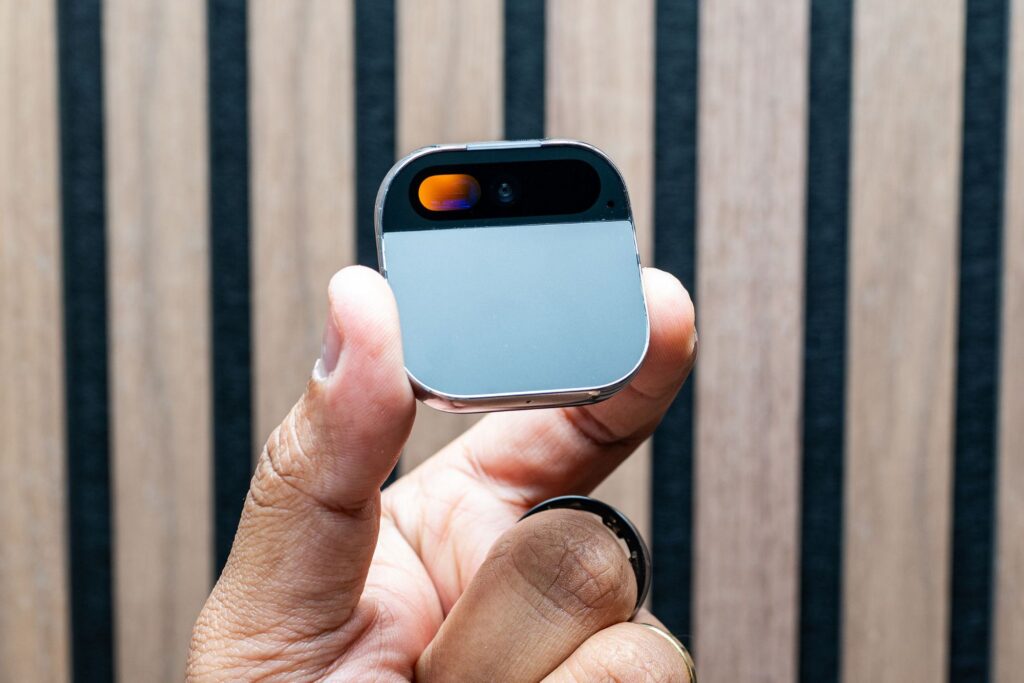
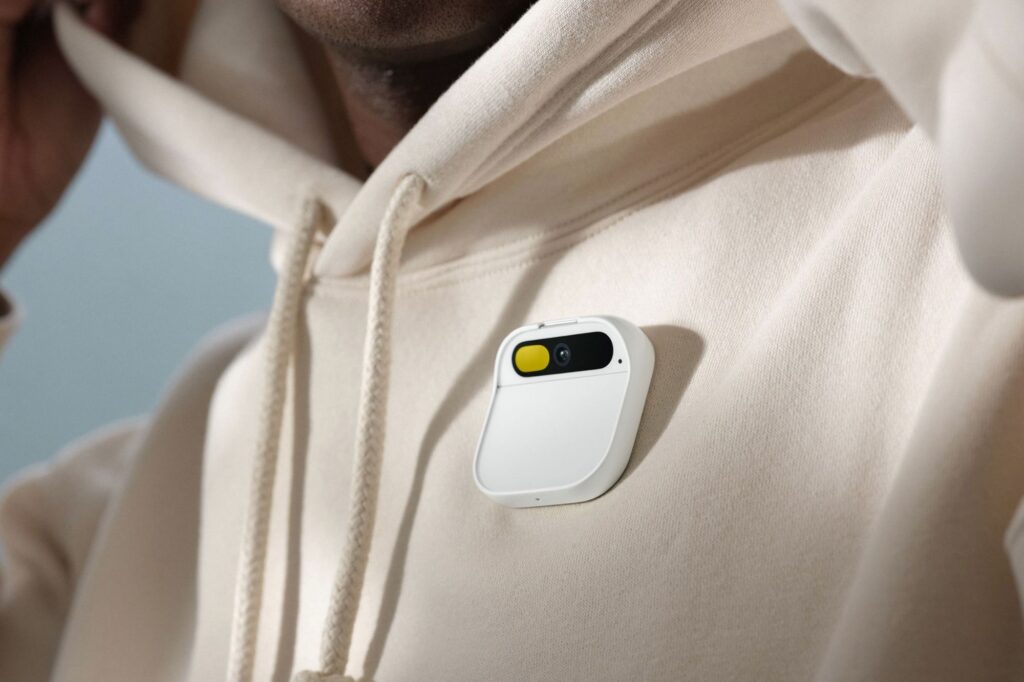
The AI Pin clips to your shirt. It has no screen. It projects info onto your hand using a laser. You control it with voice and gestures. The Cosmos AI handles questions well.
It’s a bold idea. But it’s still early. Users have mixed feelings about daily use. The cost is high — $699 plus a monthly fee. That adds up fast.
Pros:
- Truly hands-free design
- Strong AI for queries
- Clean, screen-free look
Cons:
- High cost plus subscription
- Mixed real-world reviews
- Steep learning curve
Best for: Users who want to try a new kind of computing. Not your main device yet.
4. Roborock Saros 10R — Smartest Home Robot
We ran the Saros 10R for six weeks in a 2,000 sq ft home with two dogs. It finished every clean with zero help from us. It’s the best robot vacuum we’ve tested.
Independent lab Vacuum Wars gave it a perfect 24/24 for obstacle avoidance. Tom’s Guide found it cleaned 98.5% of debris — their highest score ever. At just 3.14 inches tall, it slides under furniture most robots can’t reach.
Pros:
- Perfect score in obstacle avoidance tests
- Fits under low furniture easily
- Zero hair tangles in all tests
- Hot water mopping up to 70°C at the dock
- Self-emptying, self-cleaning dock
Cons:
- Premium price — shop sales for best value
- Dock takes up real floor space
- Stubborn dried stains can be tricky
Best for: Pet owners and anyone who wants a truly set-and-forget clean. Buy it on sale during Prime Day or Black Friday.
5. Plaud NotePin — Best AI Note-Taker
Clip this small pin to your shirt before a meeting. It records and transcribes in real time. When the meeting ends, a clean summary with action items is ready on your phone. It supports 112 languages and labels each speaker.
Battery lasts all day. You can wear it as a pin, on a watch band, or as a necklace. It’s the most useful AI gadget for office workers in 2026.
Pros:
- Accurate transcription with little correction needed
- Three wear modes for any setting
- All-day battery
- Works in 112 languages
Cons:
- Best AI features need a subscription
- Audio dips in large, echoing rooms
- Cloud-based processing (a privacy note)
Best for: Professionals, students, and journalists who take notes in person.
New AI Gadgets Worth Watching in 2026
Google Fitbit Air ($99) — A screenless health tracker with a 7-day battery. It tracks heart rate, sleep, SpO2, and AFib alerts. No subscription needed for core features. It pairs with the new Google Health app on both Android and iOS.
RingConn Gen 2 Air ($199) — A smart ring with a 10-day battery and no monthly fee. It tracks sleep, heart rate, and blood oxygen. It’s waterproof to 100 meters and costs less than Oura Ring.
Amazon Echo Show 21 with Alexa+ — A 21-inch smart display with built-in Fire TV. The new Alexa+ AI handles full conversations, books appointments, and learns your habits. It’s free for Amazon Prime members on compatible Echo devices.
Snap Specs AR Glasses — Snap’s first AR glasses with a real display. They show info overlaid on the world around you. They support contextual AI — look at something and ask about it. Pre-orders are open now.
Samsung Ballie — A rolling home robot that projects displays and runs your smart home. Still limited availability, but one to watch for 2027.
Limitless Pendant (under $99) — A private AI recorder with on-device processing. Great for users who don’t want cloud transcription.
How to Choose the Right AI Gadget
Check: Cloud or on-device AI? On-device AI is faster and more private. Cloud AI is more powerful but needs internet. Know which you’re getting before you buy.
Check: What’s the real 2-year cost? Add up device price plus any monthly fees. A $169 device with a $15/month plan costs $529 over two years. Always do this math.
Check: Does it work with your phone? Some devices tie to iOS, some to Android. Some need a brand account. Confirm before you order.
Check: What does the privacy policy actually say? “Privacy-focused” is often just marketing. Look for physical camera shutters, offline processing, and clear data rules. Vague claims mean little.
Check: Can your phone already do this? Only buy a gadget if it does one thing much better than your phone. If your phone handles it fine, skip it.
FAQ
What is the best AI gadget in 2026? The Ray-Ban Meta Smart Glasses for daily use. The Roborock Saros 10R for home cleaning. Both do one thing very well.
Are AI gadgets worth it in 2026? Yes — for gadgets that solve a real problem. The Roborock cleans your home on its own. The Plaud NotePin takes meeting notes for you. The Ray-Ban Meta translates text in real time. These save real time. Avoid gadgets your phone already handles.
Are there privacy risks with AI wearables? Yes. The Ray-Ban Meta has the most scrutiny — researchers showed it can ID faces using outside tools. The Humane AI Pin and Plaud NotePin both send data to the cloud. For privacy, look at the Limitless Pendant or Halliday AI Glasses — both use on-device processing.
Is the Fitbit Air better than a smartwatch? It depends on what you need. The Fitbit Air has a 7-day battery and tracks health 24/7. A smartwatch shows the time and notifications. If health tracking is your goal, the Fitbit Air wins at $99.
Should I wait for the Roborock Saros 20? If you need a robot vacuum now, buy the Saros 10R on sale. The Saros 20 has more suction and a hotter mop dock, but it costs more and isn’t widely available yet.