
As we step into 2026, the landscape of home automation has evolved dramatically, with energy efficient smart home devices 2026 leading the charge in reducing utility bills and promoting sustainable living. These AI-powered gadgets aren’t just conveniences; they’re intelligent systems that learn from your habits, optimize energy use, and integrate seamlessly into your daily life. According to recent advancements, smarter home technology improves energy efficiency, comfort, security, and sustainability through connected automation. With rising energy costs and growing environmental concerns, adopting these devices can slash your bills by up to 26% annually, as claimed by leading manufacturers.
In this comprehensive guide, we’ll explore the top energy efficient smart home devices 2026 has to offer. From smart thermostats that adapt to your schedule to AI-driven lighting and appliances that minimize waste, these innovations are making homes greener and more cost-effective. We’ll delve into how they work, their benefits, installation tips, and future trends. By the end, you’ll have the knowledge to transform your home into an energy-saving powerhouse.
Imagine coming home to a perfectly tempered environment, lights that turn off automatically when not needed, and appliances that run only during off-peak hours—all controlled via your smartphone or voice commands. That’s the reality of energy efficient smart home devices 2026. Let’s dive in.
The Rise of AI in Energy Efficient Smart Home Devices
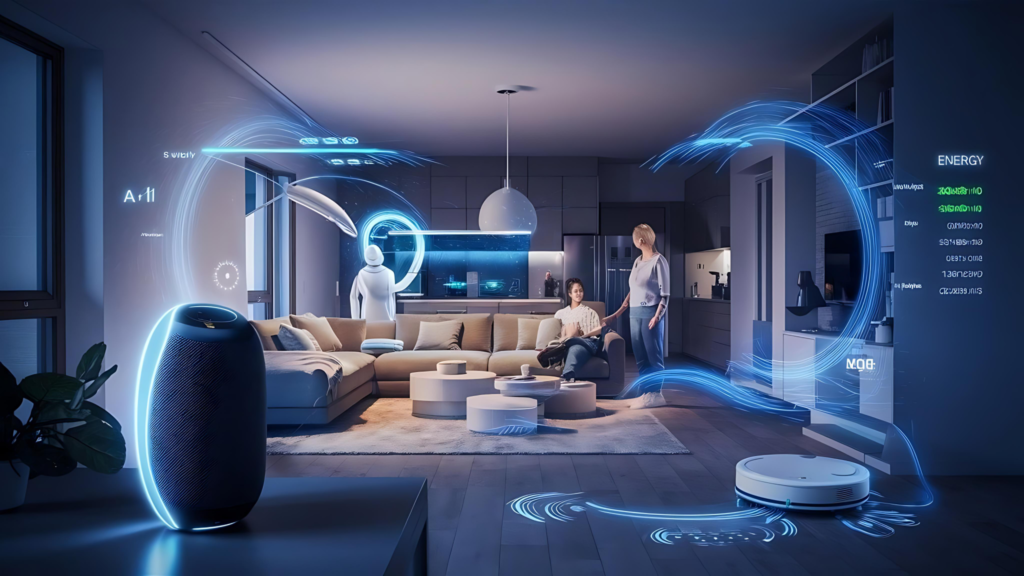
Artificial intelligence is at the heart of energy efficient smart home devices 2026. AI algorithms analyze data from sensors, weather forecasts, and user behavior to make real-time adjustments. For instance, platforms like Home Assistant and Apple’s Home app are emphasizing local execution for faster, more reliable control. This shift to local networks using protocols like Zigbee and Z-Wave creates mesh systems that grow stronger with more devices and consume less power.
In 2026, AI gadgets go beyond basic automation. They predict needs—dimming lights based on natural sunlight or adjusting HVAC systems during peak energy times. This not only cuts bills but also reduces your carbon footprint. Studies show that Energy Star-certified devices can save at least 8% on annual heating and cooling costs. With incentives from energy companies, upgrading to these systems is more accessible than ever.
The integration of AI also enhances security and convenience. Devices communicate with each other, creating a symphony of efficiency where your thermostat talks to your blinds to block out heat, or your energy monitor alerts you to unusual consumption patterns. As we explore specific categories, keep in mind that compatibility with ecosystems like Google Nest, Amazon Alexa, or Apple HomeKit is crucial for a seamless setup.
Smart Thermostats: The Cornerstone of Energy Savings
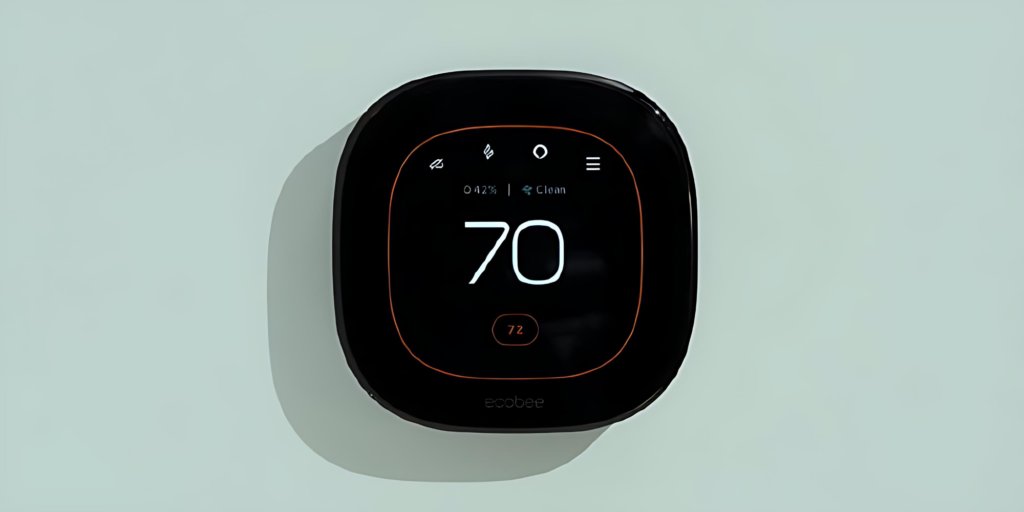
No discussion of energy efficient smart home devices 2026 would be complete without highlighting smart thermostats. These gadgets are game-changers for HVAC management, potentially saving up to 26% on energy bills by learning your preferences and automating temperature controls.
Top picks for 2026 include the Ecobee Smart Thermostat Premium, which features remote sensors for consistent temperatures across rooms. It integrates with voice assistants and offers energy-saving modes like “Eco” that adjust based on occupancy. The Nest Learning Thermostat is another standout, with its intuitive interface and monthly energy reports that track usage and suggest optimizations. It uses presence sensors to detect when you’re home, ensuring no energy is wasted on empty rooms.
Installation is straightforward—most models replace your existing thermostat in under an hour, with app-guided setups. For homes without central air, options like the GE Profile Clearview Smart Air Conditioner provide app and voice control, cooling efficiently while monitoring energy use.
Benefits extend beyond savings: These devices contribute to sustainability by reducing overall energy demand. In 2026, advanced scheduling and geofencing—where the thermostat adjusts as you approach home—make them indispensable. Users report average savings of $50-100 per month, depending on climate and home size. If you’re starting your smart home journey, a smart thermostat is the ideal entry point for energy efficient smart home devices 2026.
AI-Powered Smart Lighting: Illuminate Smarter, Not Harder
Smart lighting is another pillar of energy efficient smart home devices 2026, offering significant reductions in electricity use. Traditional bulbs waste energy when left on, but AI gadgets like Philips Hue or TP-Link Kasa bulbs dim, change color, and turn off automatically based on motion, time, or ambient light.
In 2026, these systems integrate with weather data to maximize natural light, reducing reliance on artificial sources. For outdoor spaces, devices like the Square D X Series Smart Wi-Fi Dimmer enhance security while being energy efficient. They support scheduling and voice control, ensuring lights are only on when needed.
The energy savings are impressive: Smart bulbs use LED technology, consuming up to 75% less power than incandescents, and last longer. AI takes it further by learning patterns—e.g., brighter lights in the evening for reading, dimmer for movie nights. Integration with smart hubs allows scenes like “Away Mode,” where lights simulate occupancy to deter burglars without constant energy draw.
For whole-home setups, consider mesh networks that expand coverage without extra power. CES 2026 showcased creative lighting like Tactacam’s innovative designs that blend aesthetics with efficiency. Cost-wise, initial investment pays off quickly; a single smart bulb can save $10-20 yearly in energy.
To optimize for energy efficient smart home devices 2026, pair lighting with sensors. This not only slashes bills but also adds ambiance and security, making your home feel truly intelligent.
Energy Monitoring Devices: Track and Tackle Waste
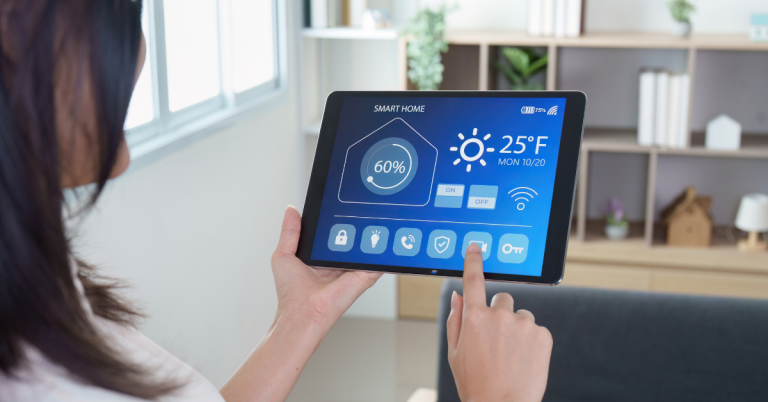
Knowledge is power, especially when it comes to energy use. Energy monitoring devices are essential energy efficient smart home devices 2026, providing real-time insights into consumption patterns.
Models like the TP-Link Kasa Smart Wi-Fi Plug Slim monitor appliance power usage, supporting voice commands and third-party integrations. Whole-home monitors, such as those from Sense or Emporia, detect inefficiencies across your electrical panel, alerting you to vampire loads—devices that draw power when off.
AI analyzes data to suggest actions, like scheduling high-energy appliances during low-rate periods. In 2026, these gadgets integrate with solar systems for net-zero homes, tracking production versus consumption.
Benefits include identifying culprits like old fridges or leaky windows, leading to targeted upgrades. Users often see 10-15% bill reductions just from awareness. Installation varies: Plugs are plug-and-play, while panel monitors may require an electrician.
For energy efficient smart home devices 2026, combining monitors with automation creates a feedback loop—e.g., turning off standby devices automatically. This empowers homeowners to make data-driven decisions for sustainability.
Smart Appliances: Kitchen and Laundry Revolutionized
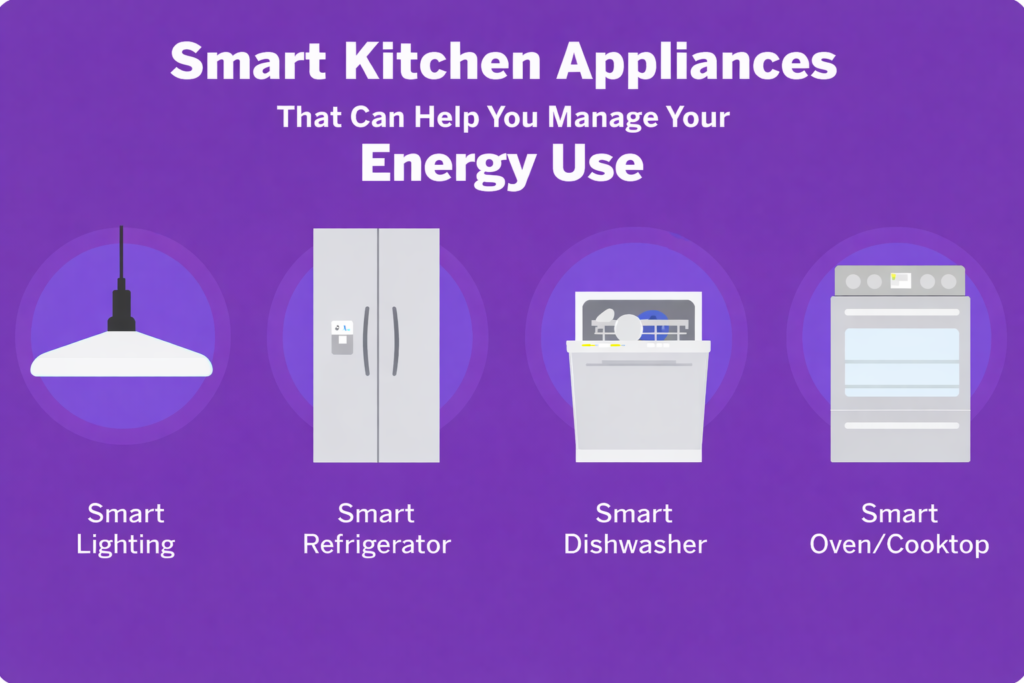
Smart appliances are transforming high-energy areas like kitchens and laundries into efficient zones. In 2026, energy efficient smart home devices include refrigerators, dishwashers, and washers that optimize cycles based on AI.
Take smart refrigerators: Models from Samsung or LG feature cameras to track inventory, reducing food waste and unnecessary door openings that spike energy use. They adjust cooling based on usage patterns, saving up to 20% on power.
Dishwashers and ovens, like those with app controls, run eco modes during off-peak hours. The TP-Link Kasa Smart Wi-Fi Power Strip turns any appliance smart, monitoring and automating power.
For laundry, smart washers detect load size and soil level, using minimal water and energy. Integration with energy monitors ensures they operate when solar production is high.
These devices not only cut bills but also extend appliance life through predictive maintenance. In energy efficient smart home devices 2026, they’re key to achieving net-zero goals.
Solar Integration and Renewable Energy Gadgets
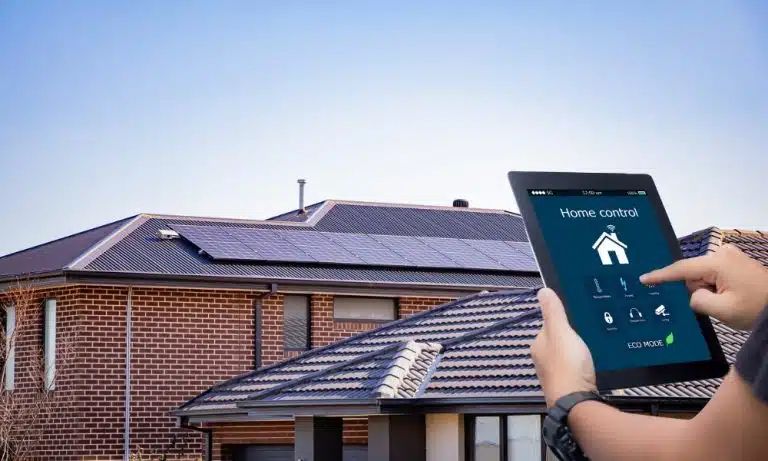
Solar power is booming in 2026, with smart integrations making it a core part of energy efficient smart home devices. Systems like Jackery’s solar gazebos capture energy discreetly, storing it for home use.
AI optimizes solar output by predicting weather and adjusting consumption—e.g., charging EVs or running appliances when panels are at peak. Devices like smart inverters monitor and distribute power efficiently.
For homeowners, this means energy independence and massive savings. Pairing with batteries like Tesla Powerwall ensures power during outages, with apps providing detailed analytics.
In energy efficient smart home devices 2026, solar isn’t optional—it’s integral for sustainable living.
Future Trends in Energy Efficient Smart Home Devices
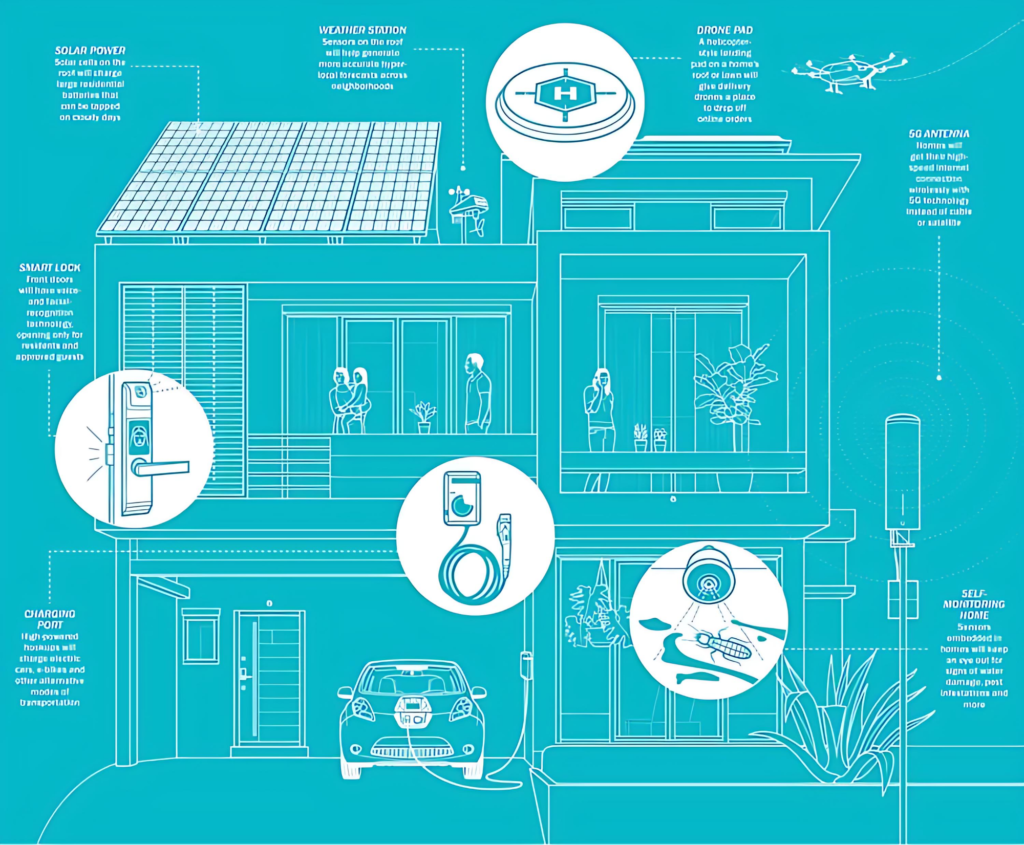
Looking ahead, energy efficient smart home devices 2026 and beyond will feature even more AI sophistication. Expect widespread adoption of Matter protocol for universal compatibility. Cellular security cameras and AI locks will enhance security without Wi-Fi dependency.
Sustainability will drive innovations like self-monitoring homes that detect pests or damage. With 5G integration, response times will be instantaneous.
Privacy concerns are being addressed with local processing, ensuring data stays secure. As costs drop, these devices will become standard in new builds.
Conclusion
Energy efficient smart home devices 2026 are more than gadgets—they’re investments in a cheaper, greener future. From smart thermostats saving on HVAC to solar integrations powering your home renewably, the potential for bill slashing is immense. Start small, integrate gradually, and watch your energy costs plummet.
By embracing these AI-powered innovations, you’re not just saving money; you’re contributing to a sustainable planet. Ready to upgrade? Research compatible devices and take advantage of rebates today.