
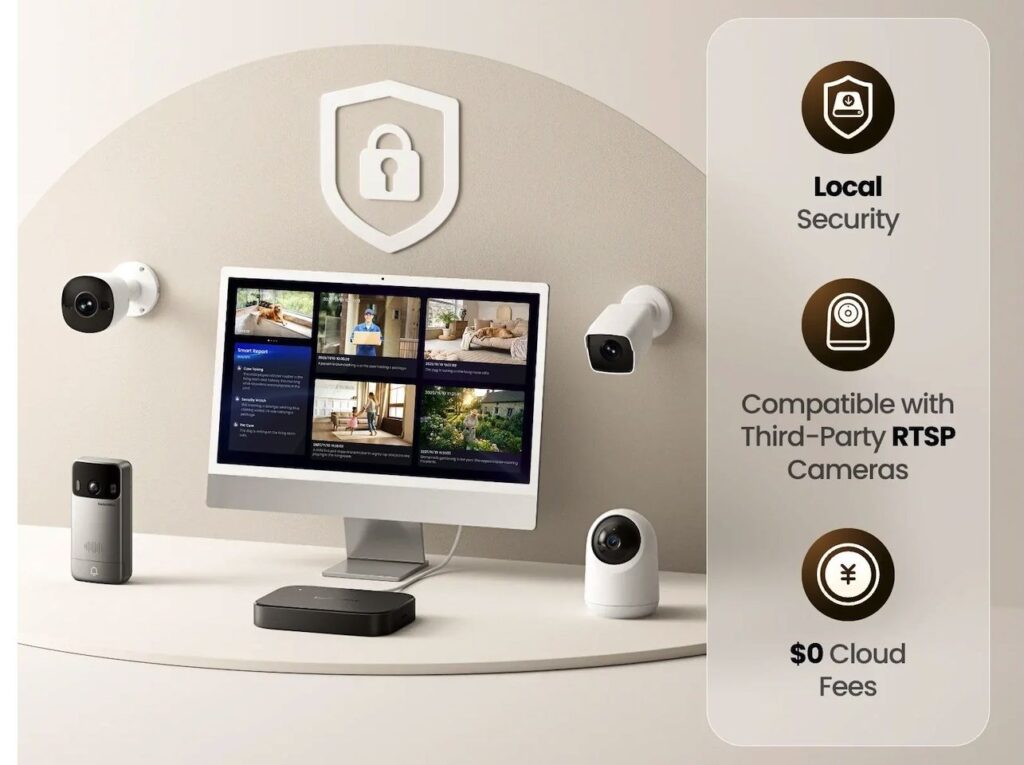
As AI becomes central to smart homes in 2026, privacy remains a top priority for users who want intelligent features without compromising personal data. AI privacy smart home 2026 focuses on devices and setups that emphasize local processing, strong encryption, no mandatory cloud subscriptions, and minimal data sharing—keeping your footage, voice commands, and routines under your control.
In this informative guide from Gadgonic, we’ll explain the key privacy risks, highlight top secure picks across cameras, hubs, and voice assistants, and share practical tips to build a safer connected home. Whether you’re upgrading your setup or starting fresh, these choices help you enjoy AI benefits responsibly.
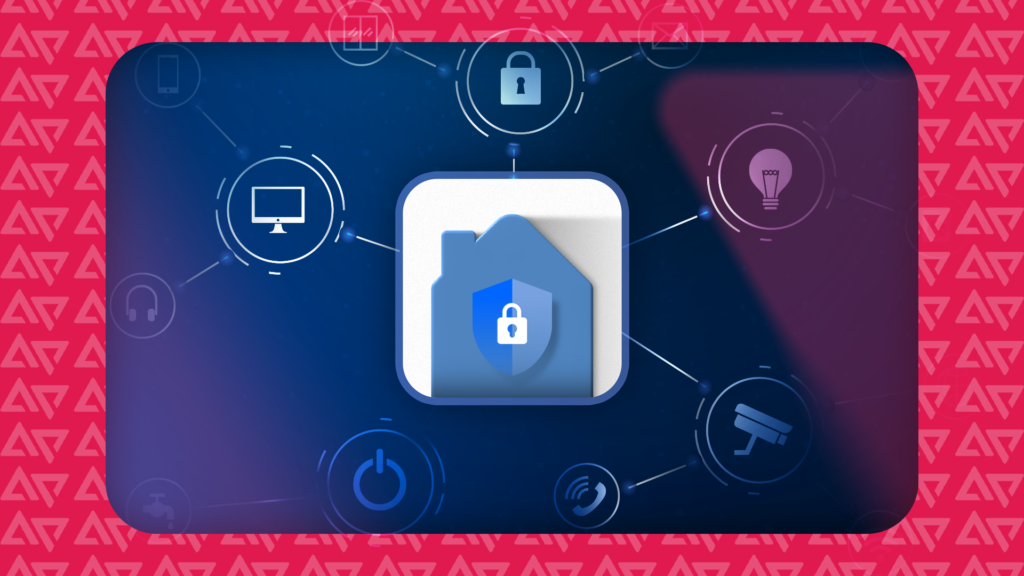
Understanding AI Privacy Risks in Smart Homes 2026
Many AI features rely on cloud processing—sending video, audio, or sensor data to remote servers for analysis. This can expose you to data breaches, unauthorized access, or company policy changes. In 2026, common concerns include always-listening mics, facial recognition stored off-device, and third-party app permissions. The good news? On-device AI and local hubs now handle most tasks without uploading anything, reducing these risks significantly.
Top AI Privacy Smart Home 2026 Picks: Cameras
Privacy-focused cameras lead with local storage and on-device AI detection.
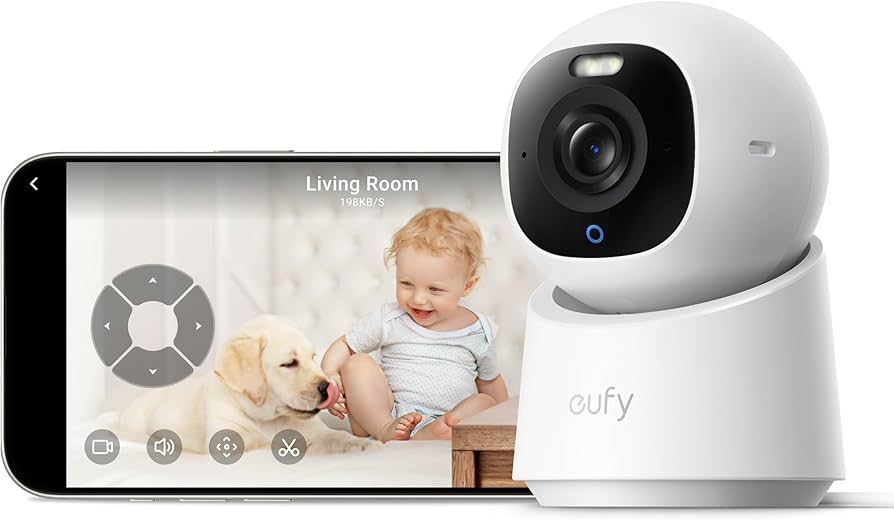
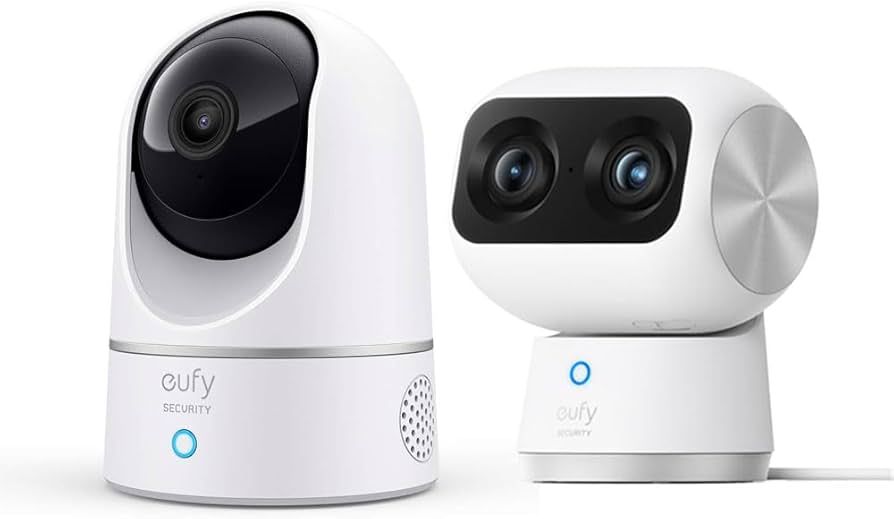
- Eufy Indoor Cam series (like E220 or E30 models): Features 4K resolution, pan-tilt, pet/human tracking, and full local storage via microSD—no cloud required for core functions. AI processes motion and recognition right on the device.
- Aqara Camera Hub G series: Matter-compatible with local processing options and strong encryption.
These avoid subscriptions while delivering reliable alerts and night vision.
Top AI Privacy Smart Home 2026 Picks: Hubs & Local Processing
The heart of a private setup is a local hub running AI without cloud dependency.
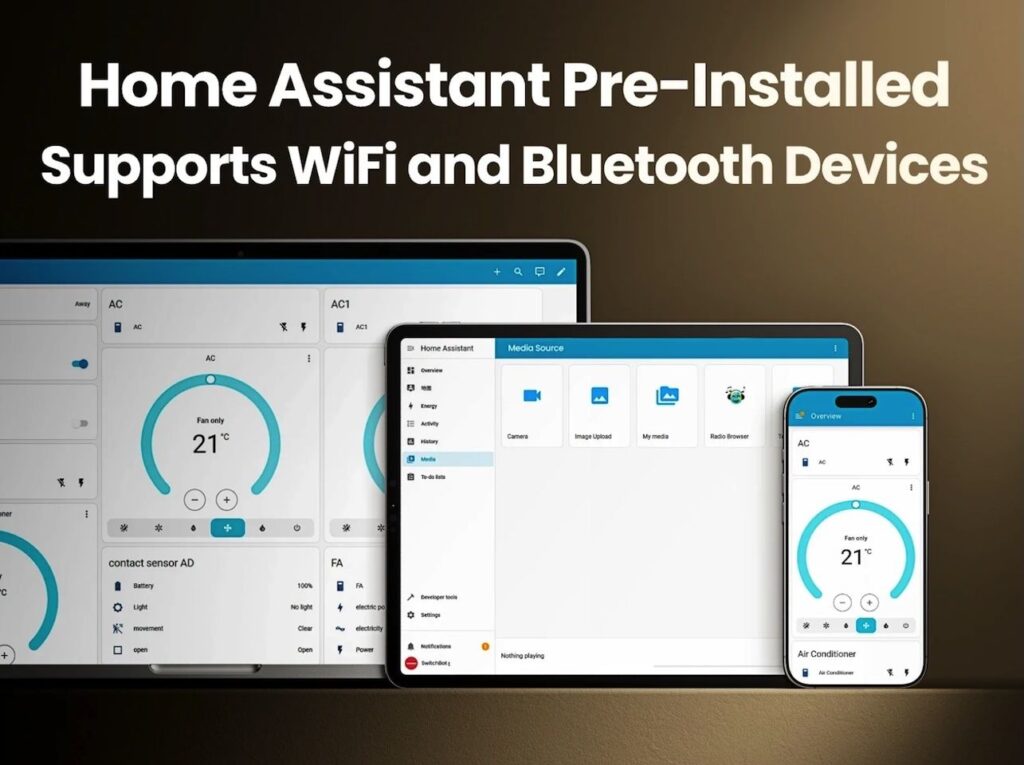
- Home Assistant (open-source): Runs on a Raspberry Pi or mini PC for full local control. Add-ons like Frigate enable AI object detection (people, vehicles, pets) entirely on your hardware—no data leaves your network.
- Aqara Hub M3 or SwitchBot AI Hub: Support local AI for automations, voice commands, and camera feeds with Matter/Thread for broad compatibility.
These hubs give you dashboard access and custom automations while prioritizing privacy.
Top AI Privacy Smart Home 2026 Picks: Voice Assistants
For voice control without constant listening risks:
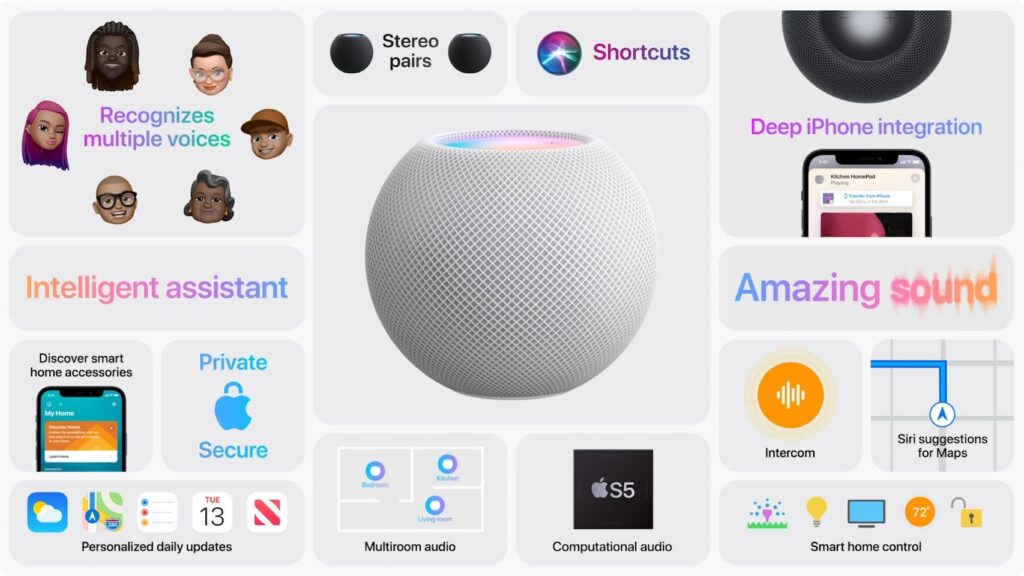
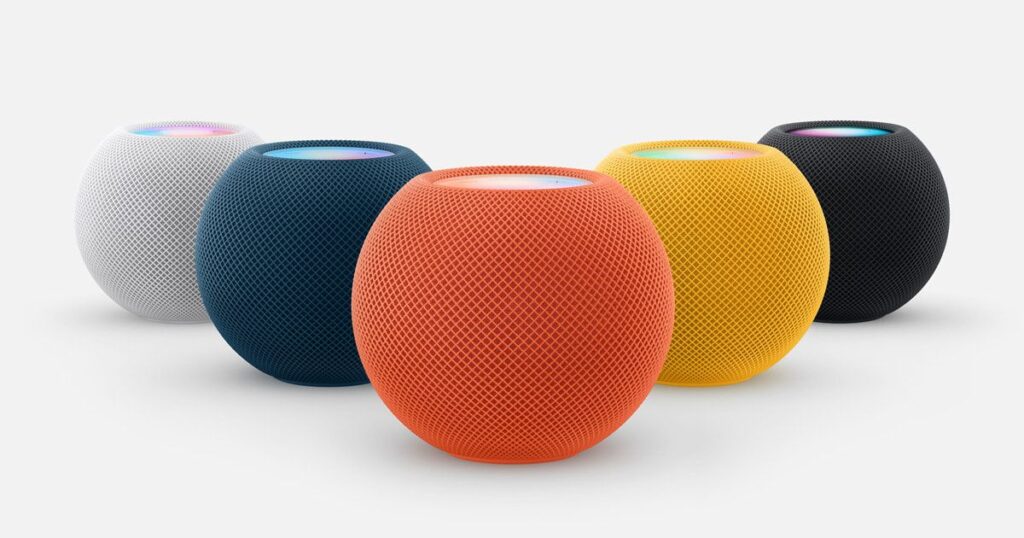
- Apple HomePod mini: Processes Siri requests on-device where possible, uses end-to-end encryption, and integrates deeply with Apple HomeKit for secure automations. It avoids broad data collection compared to always-on alternatives.
Pair it with HomeKit Secure Video for encrypted camera storage in iCloud (with private relay options).
Practical Tips for AI Privacy Smart Home 2026
1. Choose local-first devices — Look for “on-device AI,” local storage, or open-source support.
2. Secure your network — Use a strong Wi-Fi password, enable WPA3, set up a guest network for IoT devices, and consider a VPN router.
3. Review permissions regularly — Disable unnecessary mics/cameras, use 2FA on apps, and audit connected devices.
4. Start small and test — Begin with one privacy-focused hub or camera to ensure compatibility before expanding.
5. Update firmware — Manufacturers release patches for security vulnerabilities—keep everything current.
These steps minimize exposure while keeping your smart home functional and AI-enhanced.
What the Future Holds for AI Privacy Smart Home 2026 and Beyond
Regulations are tightening around data collection, pushing more on-device processing and transparent AI. Expect widespread adoption of local AI models, better Matter encryption standards, and user-controlled privacy dashboards. Brands prioritizing privacy will gain trust as users demand more control.
FAQs
Do privacy-focused smart home devices lack features?
No—many match or exceed cloud-based options in AI detection, automation, and quality, just without remote data sharing.
Is local AI slower than cloud AI?
In 2026, on-device processing is fast enough for real-time tasks like motion alerts or voice recognition, especially with modern hardware.
Can I mix privacy devices with others?
Yes, use a local hub like Home Assistant as the brain to keep sensitive data local even if some devices use cloud.
How much does a privacy-first setup cost?
Start under $200 with a good camera and hub; scale affordably compared to subscription-heavy systems.
Conclusion
Building an AI privacy smart home 2026 is easier than ever with devices that put security and control first. By choosing local processing options like Eufy cameras, Home Assistant hubs, and Apple HomePod, you get powerful AI without the privacy trade-offs. Stay informed and secure—follow Gadgonic for more guides on smart tech, AI innovations, and privacy tips!