
Artificial Intelligence (AI) is no longer just a sci-fi dream—it’s woven into the fabric of our daily routines in AI in everyday life 2026. From the moment you wake up to your smartphone suggesting the perfect playlist, to your smart home adjusting the lights as you enter a room, AI is quietly making life simpler, safer, and more personalized.
In this beginner-friendly guide, you’ll discover real-world examples of how AI is changing smartphones, homes, shopping, healthcare, work, and more. You’ll also learn about its benefits, potential risks, and what the future holds—no tech jargon required.
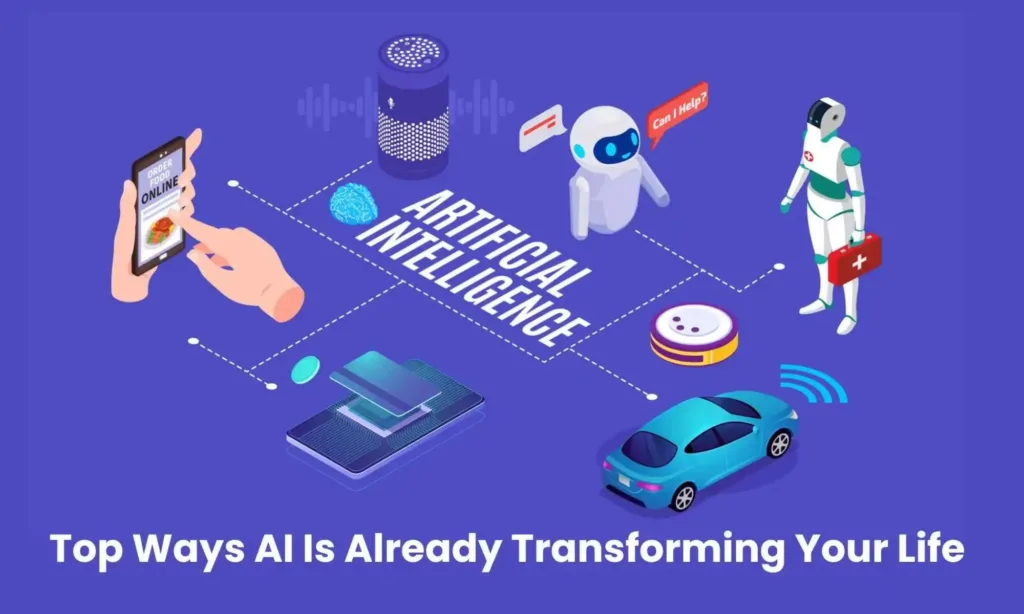
What Is Artificial Intelligence? (Simple Explanation)
At its core, AI is technology that lets machines learn from data and make decisions, much like how humans learn from experience. The key part powering most everyday AI is machine learning—where systems improve automatically through patterns in data without being explicitly programmed for every task.
Think of it as automation on steroids: instead of rigid rules, AI adapts and predicts. In 2026, AI matters because it’s faster, more accurate, and handles massive amounts of information instantly—freeing us from repetitive tasks and helping with smarter choices.
AI in Everyday Life 2026: AI in Smartphones and Personal Assistants
Your smartphone is probably the most AI-packed device you own in 2026.
- Voice assistants like advanced versions of Siri, Google Assistant, or new AI companions understand natural conversation, set reminders, control devices, and even hold casual chats.
- Smart photo editing automatically enhances images, removes backgrounds, or suggests perfect filters based on the scene.
- Predictive typing and autocorrect have become eerily accurate, guessing entire sentences from context.
- AI battery optimization learns your habits to extend battery life by shutting down unused apps or dimming the screen intelligently.
These features save time and reduce frustration, turning your phone into a true personal helper.
AI in Smart Homes
Smart homes in 2026 feel alive thanks to AI.
- Smart thermostats predict your routine and adjust temperatures for comfort and energy savings.
- AI security cameras distinguish between family members, pets, and strangers, sending alerts only for real threats.
- Voice-controlled automation lets you say “good night” to dim lights, lock doors, and set alarms.
- Energy optimization analyzes usage patterns to cut bills without sacrificing convenience.
If you’re planning a smart home, check our complete smart home setup guide for step-by-step tips.


AI in Online Shopping & Social Media
Ever wonder why you see ads for exactly what you were thinking about? That’s AI at work.
- Personalized recommendations on platforms like Amazon or Netflix use your past behavior to suggest products or shows you’ll love.
- Targeted ads analyze browsing history and interests for relevant promotions.
- Fraud detection spots unusual activity to protect your accounts.
- Content algorithms curate feeds to show engaging posts, keeping you scrolling.
This creates a tailored experience but can sometimes feel too spot-on—it’s all powered by AI learning your preferences.


AI in Everyday Life 2026: AI in Healthcare
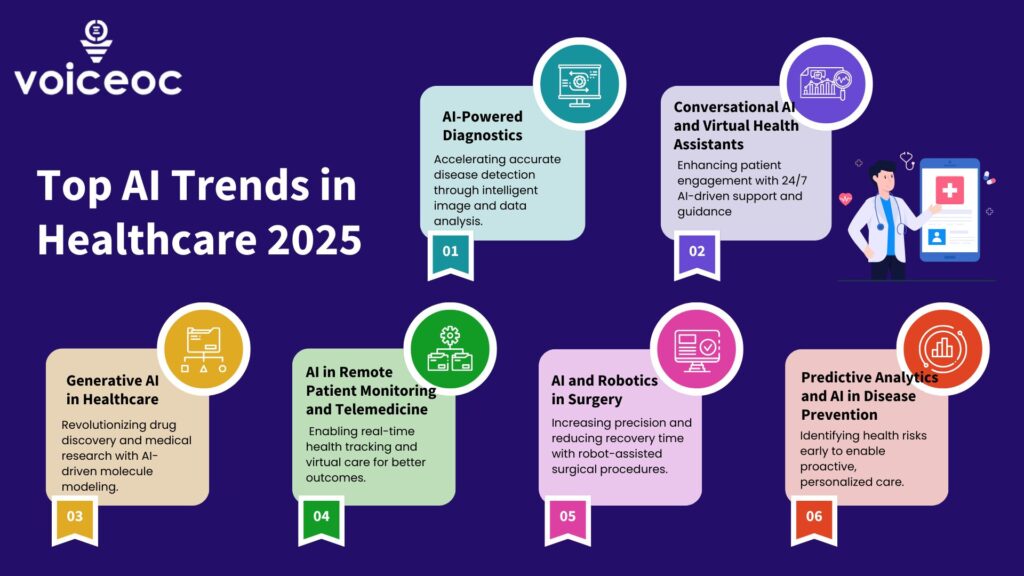
One of the most impactful areas in 2026 is healthcare, where AI saves lives and improves wellness.
- Early disease detection through wearables that monitor heart rate, sleep, and activity to flag issues early.
- Wearable health monitoring like smartwatches providing real-time insights and predictive alerts.
- Virtual doctors and chat-based health coaches offer advice on symptoms or lifestyle.
- AI in medical imaging helps doctors spot anomalies in scans faster and more accurately.
These tools empower preventive care, making health management more accessible and proactive.

AI in Work & Productivity
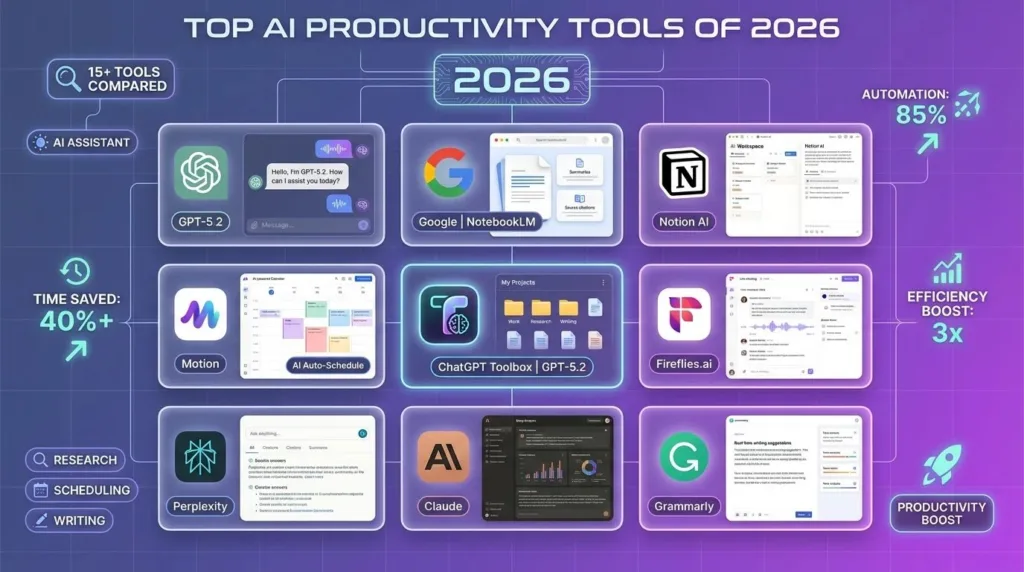
AI boosts efficiency for everyone, especially in digital fields like marketing.
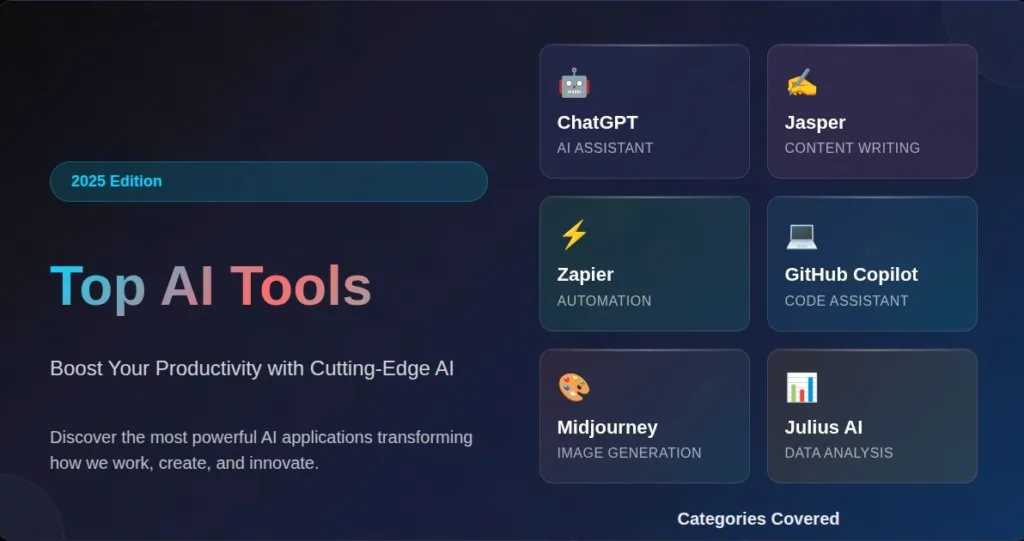
- AI writing assistants draft emails, posts, or reports in seconds.
- Coding copilots suggest code and fix bugs for developers.
- Automation tools handle repetitive tasks like scheduling or data entry.
- AI chatbots manage customer support 24/7 for businesses.
These tools let you focus on creative, high-value work while AI handles the routine.
Benefits of AI in Daily Life
AI brings clear advantages:
- Saves time by automating tasks.
- Improves accuracy in predictions and decisions.
- Reduces human error in areas like health monitoring or security.
- Enhances convenience with personalized experiences.
- Enables better decision-making through data insights.
Overall, it makes everyday life smoother and more efficient.
Concerns & Risks of AI
It’s not all perfect—balance matters.
- Privacy risks from data collection in apps and devices.
- Job displacement as automation takes over some roles.
- Data misuse if information falls into wrong hands.
- Overdependence could reduce critical thinking skills.
Responsible use and regulations help address these issues.
What the Future of AI Looks Like
Looking ahead, AI will bring even more personalization—smarter homes that anticipate needs, AI in transportation for safer driving, and improved regulations for ethical use. Expect AI agents as true teammates in work and life, with seamless integration across devices.


FAQs
Is AI dangerous for humans?
Not inherently—it’s a tool. Risks come from misuse, but proper safeguards make it safe and beneficial.
Can AI replace human jobs completely?
AI automates tasks, but humans excel in creativity, empathy, and complex judgment. Many jobs will evolve rather than disappear.
Is AI safe for smart homes?
Yes, with strong security like encryption and updates. Choose reputable brands and use privacy settings.
How does AI learn?
Through vast data examples—it spots patterns and improves over time, like learning from millions of photos to recognize faces.
Conclusion
In 2026, AI is already deeply integrated into everyday life—from your pocket to your home and health. Understanding these real examples helps you embrace it confidently, use it smartly, and avoid pitfalls. It’s about enhancement, not replacement—making life better when used wisely.
Stay updated with Gadgonic for more insights on AI, smart tech, and the latest innovations!