
In 2026, AI tools for developers have become indispensable. What once felt experimental is now deeply embedded in everyday workflows across startups, enterprises, and open-source communities alike. Teams are building faster release cycles around AI assistance, and individual developers are leveraging intelligent agents as trusted collaborators throughout the software lifecycle. They accelerate coding, enhance debugging, streamline research, and automate workflows — allowing tech professionals to focus on innovation rather than repetition. Whether you’re a software engineer, data scientist, or DevOps specialist, mastering the right AI coding tools can significantly boost your efficiency.
This guide covers the must-know AI tools for developers 2026, based on real-world adoption and performance.
1. Claude (Anthropic) – The Coding & Reasoning Powerhouse
Claude leads in complex reasoning, large codebase handling, and secure code generation. Developers rely on it for architecture planning, deep debugging, and structured explanations.
Strengths: Massive context windows, high accuracy, strong ethical controls.
Best for: Backend engineers, system architects, code reviews.
2. ChatGPT (OpenAI) – The Versatile All-Rounder
ChatGPT excels at rapid prototyping, documentation, brainstorming, and multimodal tasks (voice, images). It’s a go-to for quick scripting and learning new stacks.
Strengths: Speed, broad knowledge, easy integration.
Best for: Full-stack developers, scripting, idea validation.
3. GitHub Copilot – Your AI Pair Programmer
Copilot provides inline suggestions, test generation, and agentic multi-file edits directly in your IDE. It’s deeply integrated with GitHub for seamless workflows.
Strengths: Instant completions, GitHub-native, high adoption.
Best for: Daily coding, PRs, boilerplate reduction.
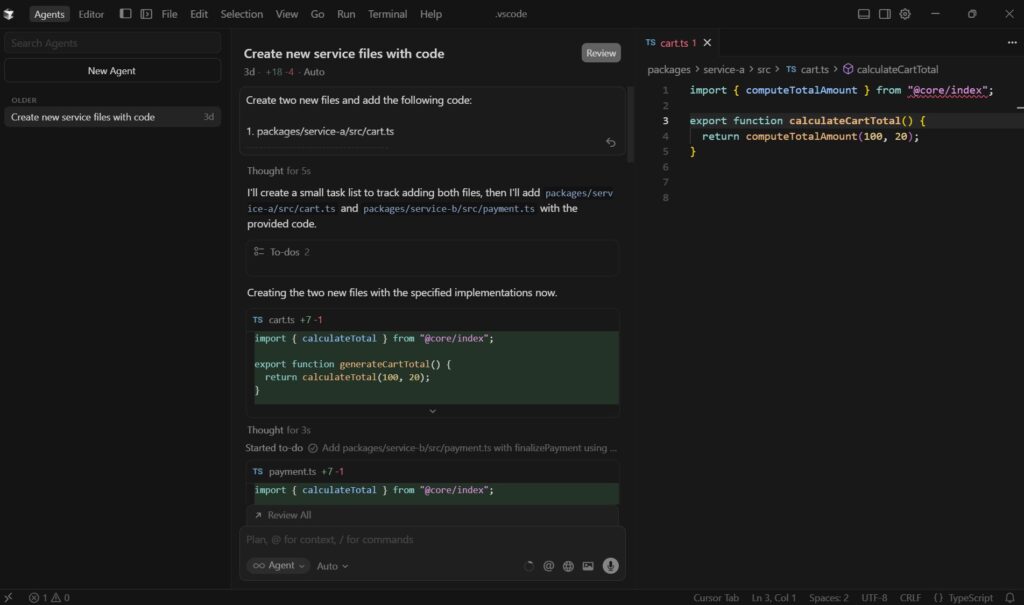
4. Cursor – The AI-First Code Editor
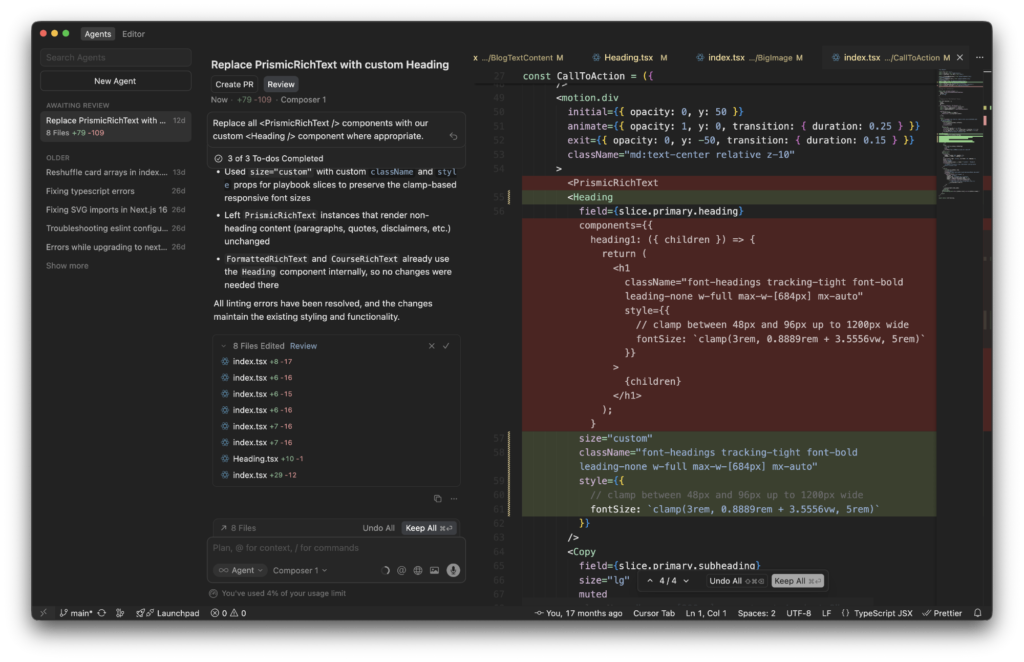
Cursor reimagines VS Code with repo-wide understanding, agentic editing, and multi-model support. It’s ideal for large refactors and complex projects.
Strengths: Full-context awareness, composer mode, speed on big changes.
Best for: Building scalable apps, full-time coding.
5. Perplexity AI – The Intelligent Search Engine
Perplexity delivers cited, real-time answers — perfect for API research, troubleshooting, and trend tracking without endless tabs.
Strengths: Accurate sourcing, fast deep dives.
Best for: Research, framework learning, debugging.
Honorable Mentions for 2026
- Gemini (Google) — Multimodal excellence with Google integration.
- NotebookLM — Converts notes/docs into summaries/podcasts.
- Zapier Agents — Workflow automation across apps.
How to Get Started with AI Tools for Developers 2026
Pick 1–2 tools matching your needs (e.g., Cursor for editing, Perplexity for research). Use free tiers first, then upgrade. Stack them: Claude for planning, Cursor for coding, Perplexity for validation.
Conclusion
The best AI tools for developers 2026 turn AI into a true collaborator. Adopting them keeps you competitive, ships code faster, and unlocks higher-impact work.
Which AI tool for developers has changed your 2026 workflow most? Share below!
FAQs: Common Questions About AI Tools for Developers 2026
What is the best AI coding assistant in 2026?
Cursor and Claude often rank highest for complex work, while GitHub Copilot leads in everyday IDE integration.
Is Cursor better than GitHub Copilot in 2026?
Cursor excels at repo-wide edits and agentic tasks; Copilot wins for quick inline suggestions and GitHub synergy.
Claude vs ChatGPT for coding – which is better in 2026?
Claude dominates in reasoning and large codebases; ChatGPT is faster for prototypes and general tasks.
What are the best AI tools for developers in 2026?
Cursor, GitHub Copilot, Claude, ChatGPT, and Perplexity form the core stack for coding, research, and productivity.
Which AI tools should every tech professional know in 2026?
Master LLMs (Claude/ChatGPT), IDE agents (Cursor/Copilot), and search tools (Perplexity) for maximum efficiency.