
CES 2026 in Las Vegas has set the tone for the year ahead, showcasing groundbreaking advancements that blend artificial intelligence with everyday devices. From brighter, smarter TVs to humanoid robots entering homes and advanced health wearables, top tech trends 2026 focus on making technology more intuitive, efficient, and integrated into daily life.
This comprehensive guide explores the most exciting developments from CES and beyond, helping you understand what to expect in consumer tech this year. Whether you’re upgrading your home entertainment setup or looking for productivity-boosting AI tools, these trends will shape how we live, work, and play in 2026.
1. Brighter and More Intelligent TVs: The Display Revolution
TV technology took center stage at CES 2026, with manufacturers pushing boundaries in brightness, color accuracy, and size. Samsung unveiled a massive 130-inch Micro RGB TV, combining incredible luminance with vibrant colors, while LG introduced the C6H OLED series with significant brightness boosts and ultra-thin Wallpaper designs.
These advancements address long-standing OLED limitations in bright rooms, incorporating AI upscaling for better picture quality on non-native content. Anti-glare coatings and RGB stripe subpixel arrangements (from Samsung Display and LG Display) improve text clarity on gaming monitors and TVs alike.
Expect 8K adoption to grow slowly, but 4K with AI enhancements will dominate mainstream models. This trend signals a shift toward TVs as central home hubs, integrating smart features like voice control and ambient modes.
2. AI Everywhere: Robots, Wearables, and Companions Enter Homes
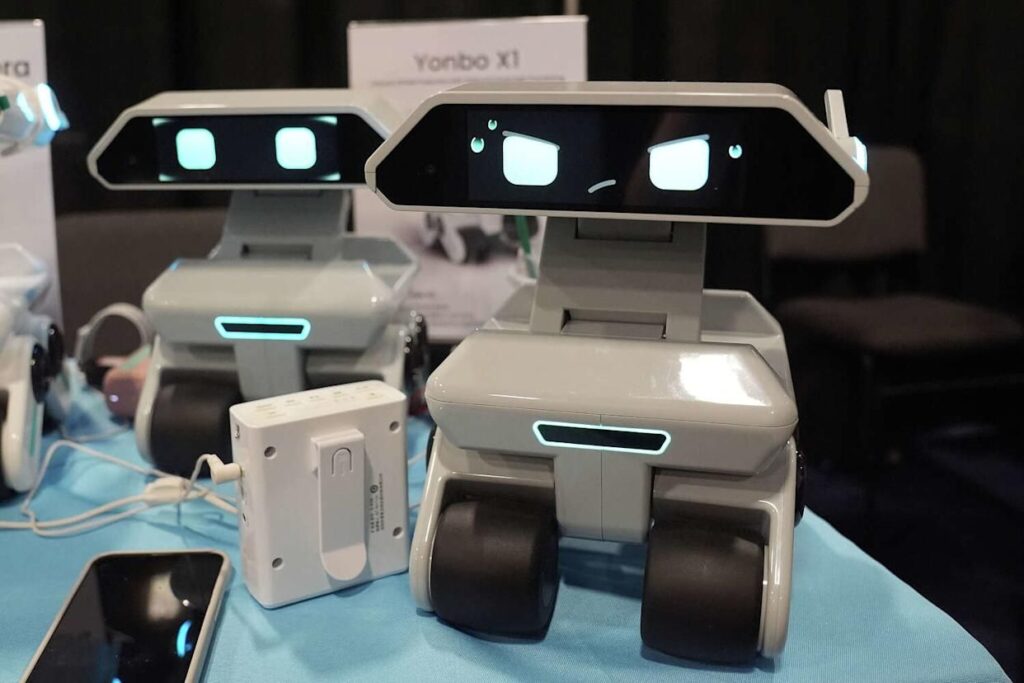
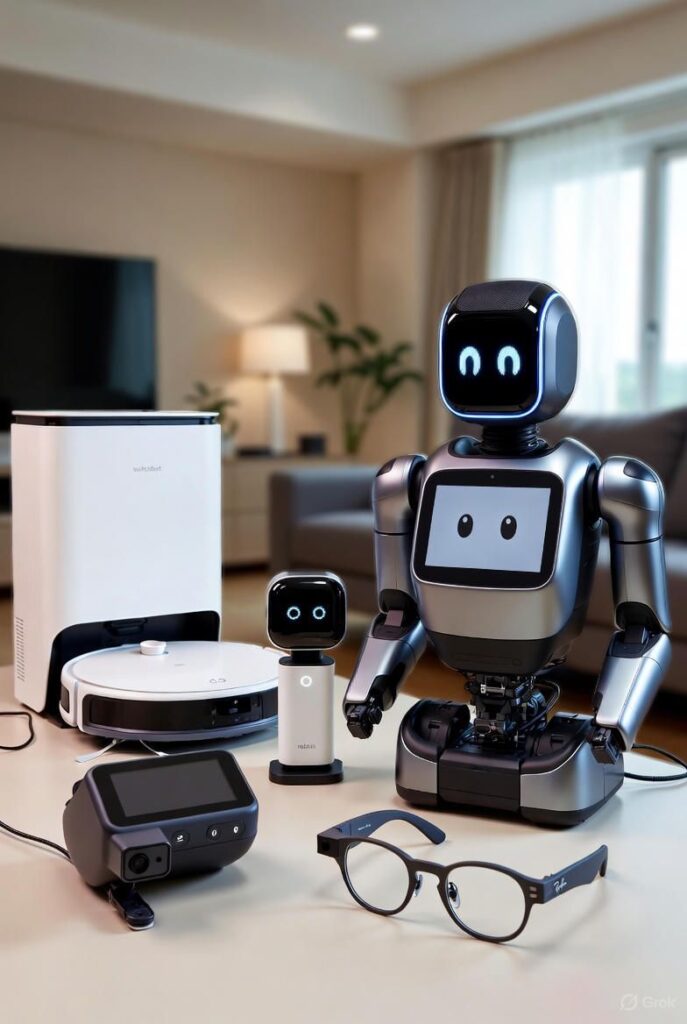
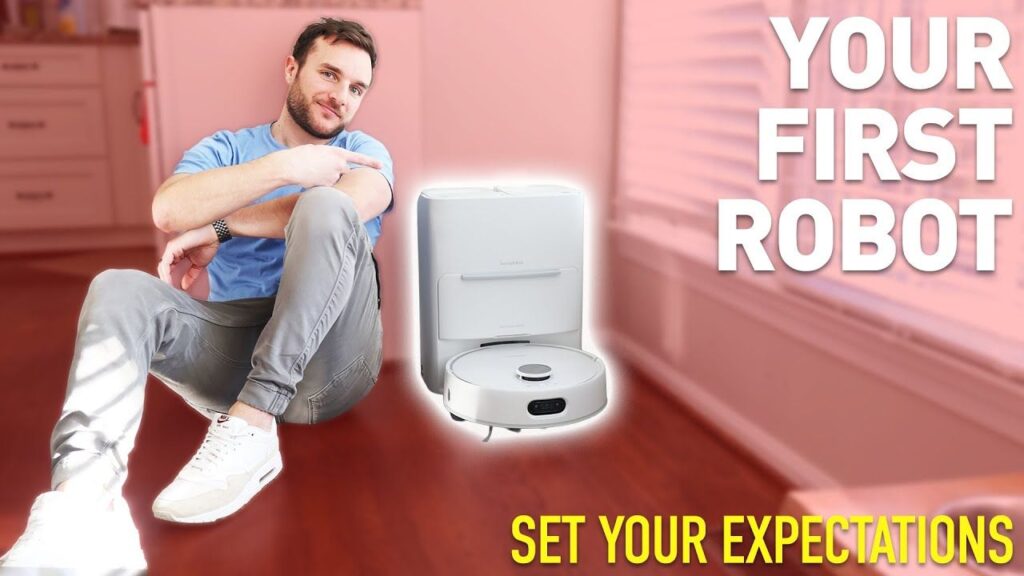
AI dominated CES 2026 announcements, moving beyond software into physical devices. LG’s CLOiD robot features actuated limbs for household tasks, while SwitchBot’s Onero H1 folds laundry and fetches items. Roborock’s Saros series introduced gripper arms for obstacle pickup in robot vacuums.
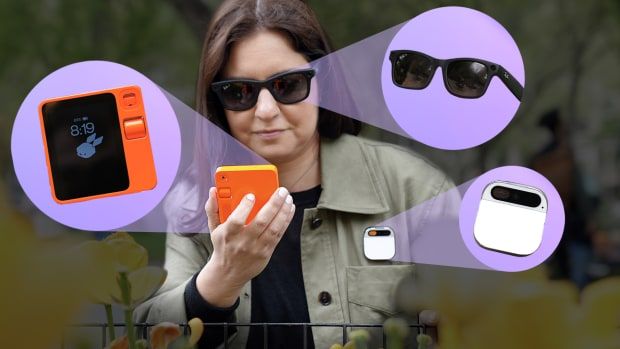
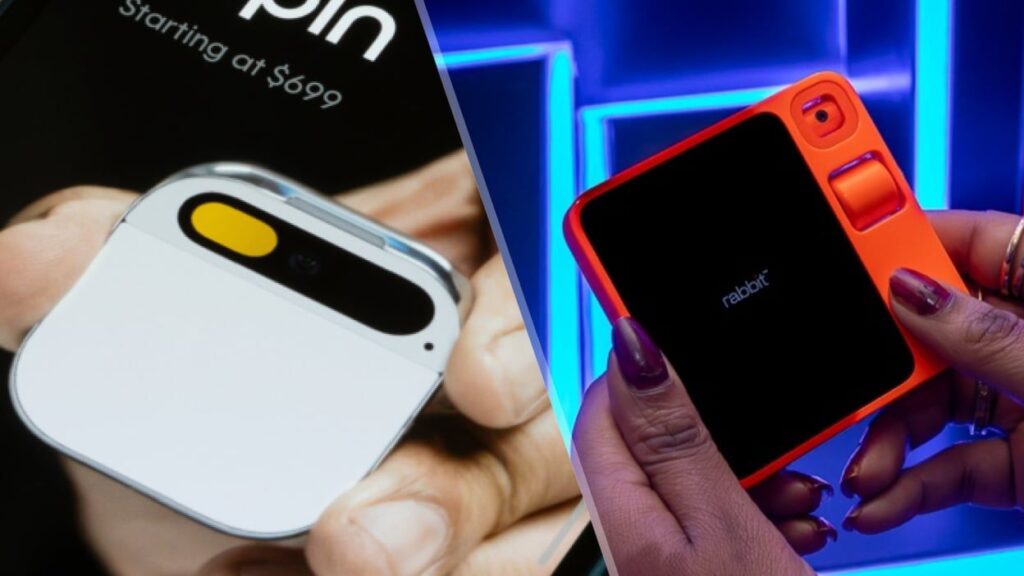
Wearables evolved with Ray-Ban Meta smart glasses gaining real-time translation and Samsung’s health-focused updates. Pocket AI companions like Rabbit R1 and Humane AI Pin improved agentic capabilities, handling complex tasks via voice.
Humanoid robots from Boston Dynamics and others hint at factory-to-home transitions. Privacy-focused on-device processing became a key selling point, addressing concerns in AI gadgets.
3. Smarter Homes: Matter Standard and AI Integration
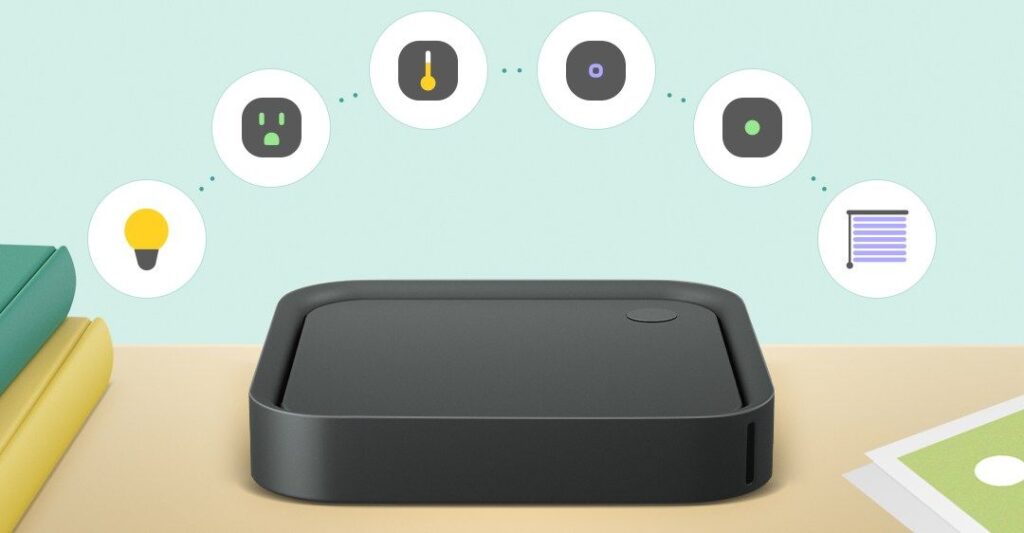
Smart home devices emphasized interoperability through the Matter standard. Govee’s new lights integrated deeply with Samsung SmartThings, while Aqara and Philips Hue expanded ecosystems.
AI routines automated lighting, security, and energy management. Presence sensing via Wi-Fi disturbances improved motion detection without cameras. Robot vacuums like Roborock gained advanced avoidance and self-maintenance features.
Security cameras incorporated intelligent video analysis for better alerts.
4. Digital Health and Mobility: Wearables and Connected Vehicles
Health tech exploded with devices monitoring sleep, stress, and chronic conditions. Withings and Ultrahuman showcased advanced trackers, while Samsung integrated Galaxy Watch data with home appliances (e.g., adjusting AC based on sleep temperature).
Auto tech highlighted connected vehicles and hybrids, with Volvo keynoting affordability and autonomy features.
5. Foldables, AR Glasses, and Sustainable Innovations
Foldable phones advanced with Samsung’s TriFold concept. AR glasses from multiple brands focused on practical AI overlays. Sustainability featured in eco-materials and energy-efficient designs.
Conclusion
Top tech trends 2026 revolve around AI making devices proactive rather than reactive. CES proved innovation is accelerating, with practical applications in homes, health, and entertainment. Stay tuned to Gadgonic for in-depth reviews of these emerging technologies!